

Porcelain Veneers in Stourbridge
Your smile,
exactly as you imagined it
Porcelain veneers are the gold standard in smile transformation. Wafer-thin, custom-crafted and indistinguishable from natural teeth, they deliver a result that genuinely lasts.
Book an appointment →The gold standard
in smile transformation
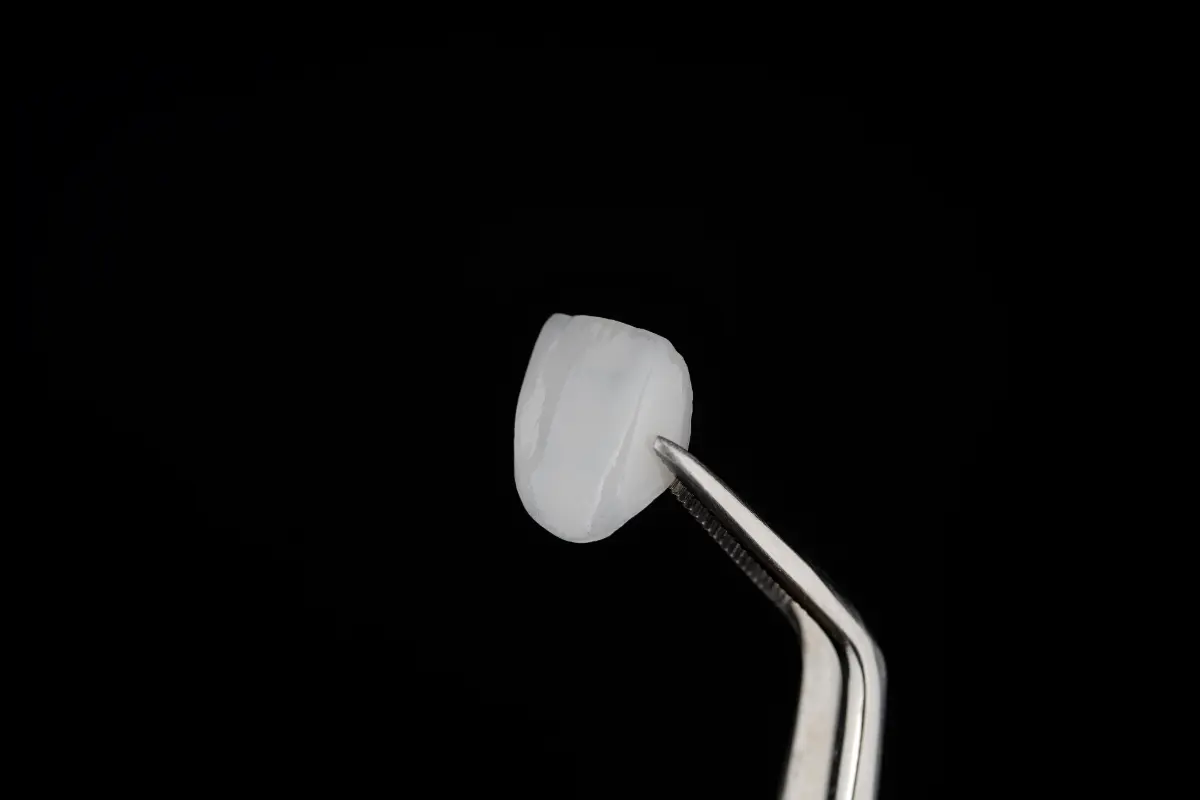
Porcelain veneers are wafer-thin ceramic shells bonded to the front of your teeth. Custom-designed for your face, crafted in a dental laboratory and indistinguishable from natural enamel, they deliver results that composite bonding simply cannot match for complexity or longevity.

What veneers
can achieve
Porcelain veneers can address a wide range of cosmetic concerns in a single treatment plan, often transforming the entire smile at once.
Book a consultationThe benefits of
porcelain veneers
Veneers are the most comprehensive cosmetic solution available. Here is why patients choose them over other treatments.
Porcelain mimics the translucency of natural enamel more closely than any other material. Veneers catch light exactly as real teeth do, making them virtually undetectable even up close.
With proper care, porcelain veneers typically last well over a decade. Significantly longer than composite bonding and highly resistant to staining from food and drink.
Every veneer is individually crafted. Shade, shape, length and surface texture are all designed specifically for you, considering your face, skin tone and personal preferences.
Unlike composite resin, porcelain does not absorb colour from coffee, tea, red wine or tobacco. Your veneers will stay the shade they were made to be for the life of the restoration.
Multiple teeth can be treated together in one cohesive plan. Veneers allow us to redesign the entire visible smile: correcting colour, shape, alignment and proportion simultaneously.
For patients who want the best possible result and the confidence that it will last, veneers represent the most comprehensive long-term solution in cosmetic dentistry.
Not sure if veneers are right for you? We are happy to advise honestly at a consultation, including whether composite bonding might suit you better.
What happens at
your veneer appointments
Veneers take two to three appointments from consultation to fit. Here is exactly what happens at each stage.
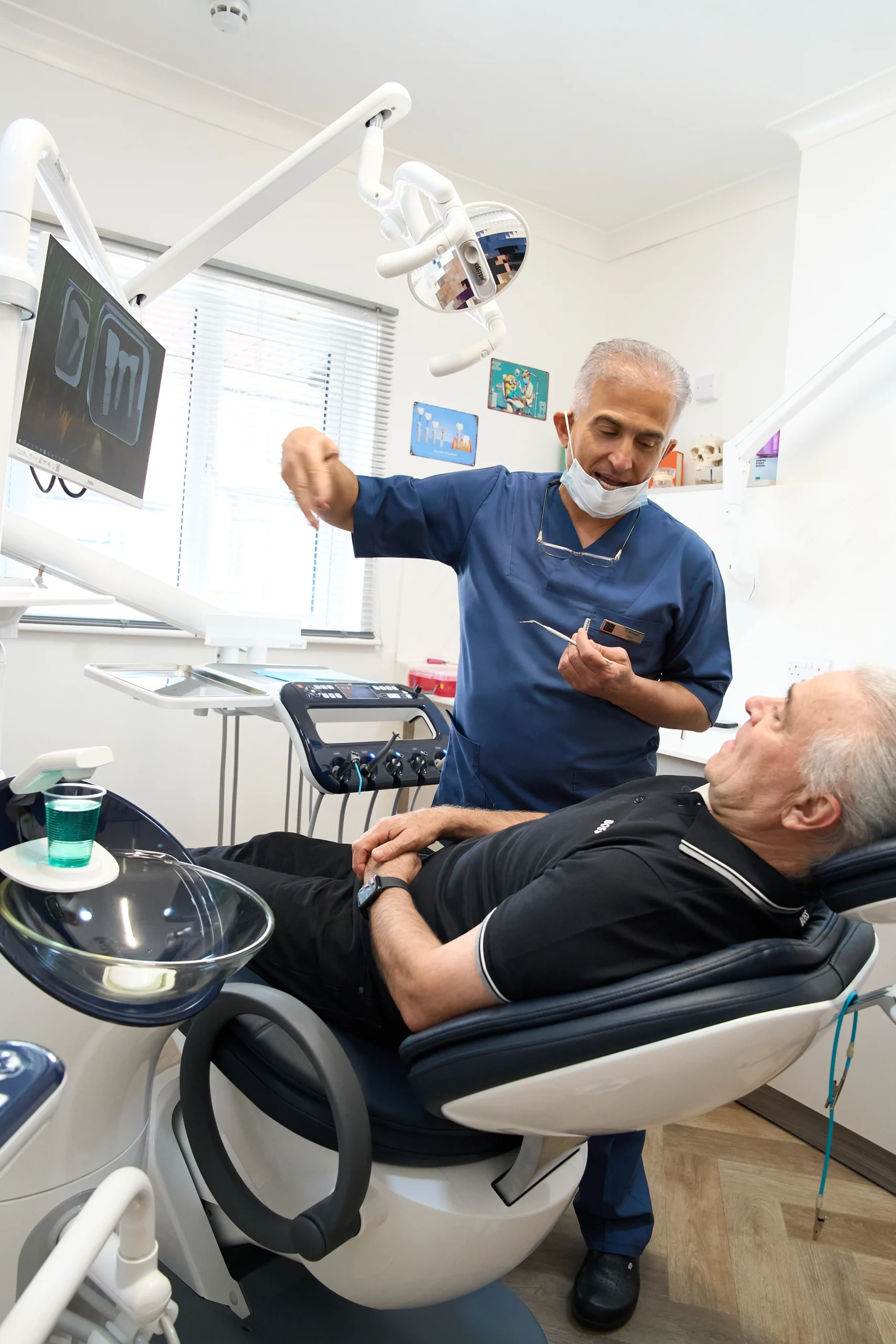
We begin with a detailed consultation to understand what you want to achieve. We examine your teeth, take photographs and X-rays, and discuss your goals in full. We explain what is possible, what the treatment involves and what it will cost. There is never any pressure. We also discuss whether whitening your teeth first would give you a better starting shade for the veneers.
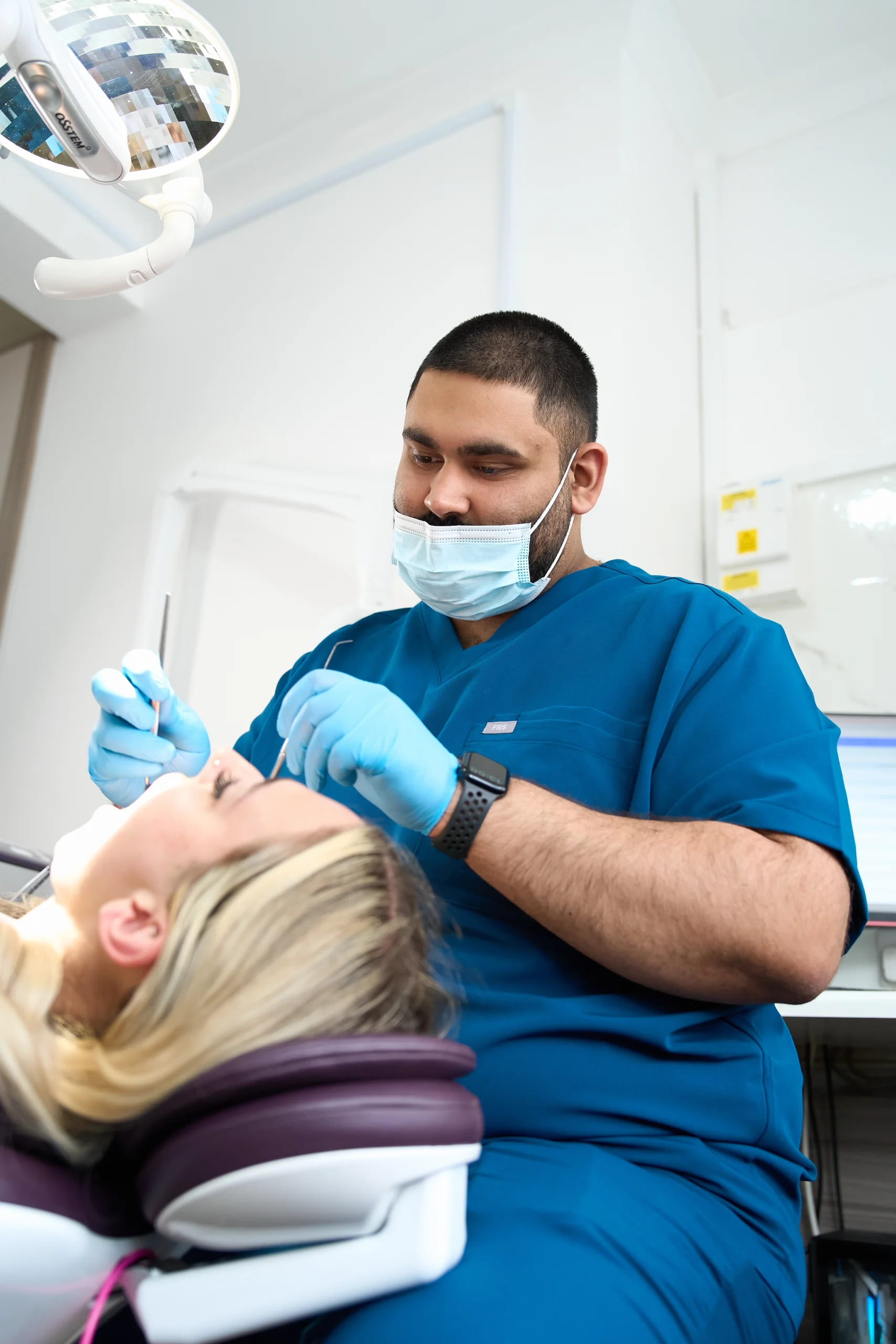
At your preparation appointment, we remove a thin layer of enamel from the front of each tooth to make space for the veneer. Local anaesthetic is used throughout. Precise impressions are taken and sent to the dental laboratory, where your veneers are individually crafted in porcelain. This typically takes two to three weeks.
Temporary veneers are placed on your teeth while the laboratory fabricates your permanent ones. These protect your prepared teeth and give you a preview of the shape and length we are working towards. Many patients are pleasantly surprised by how good the temporaries look and use this stage to request any final adjustments before the permanent veneers are made.
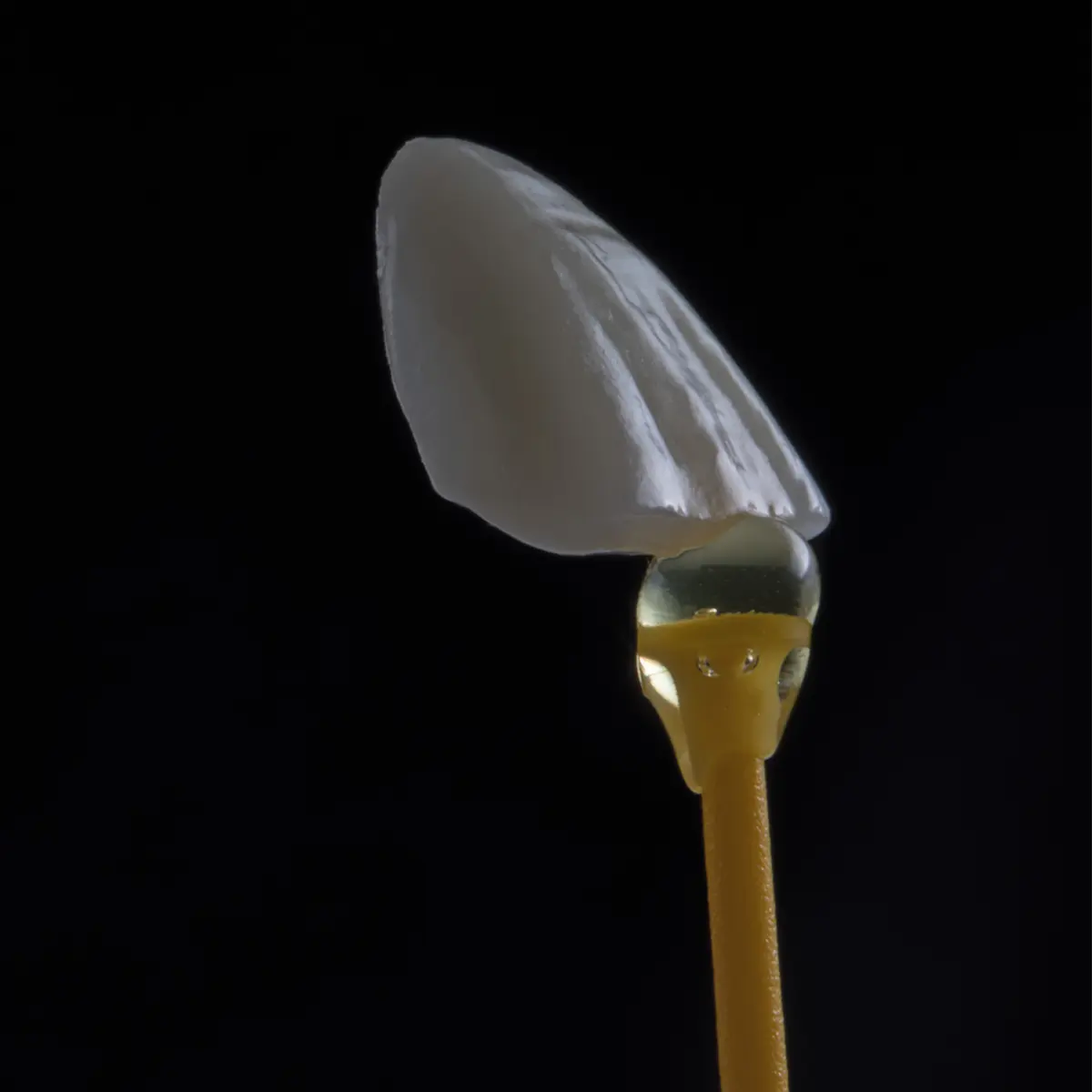
At your fit appointment, we remove the temporaries, check the fit and shade of each veneer individually and bond them permanently using dental adhesive. We check your bite carefully and make any fine adjustments. You leave the same day with your finished result. We then review at a follow-up appointment to check everything has settled perfectly.
Looking after your
porcelain veneers
Veneers require the same care as natural teeth: brushing twice daily with a non-abrasive toothpaste and flossing regularly. The teeth beneath are still susceptible to decay, so hygiene remains essential.
Avoid biting nails, pens or hard objects directly on veneered teeth. Porcelain is strong but not indestructible. Chewing ice, opening packaging with your teeth or biting very hard foods can chip or crack the porcelain.
If you grind your teeth at night, a custom-fitted nightguard is strongly recommended. Grinding puts significant force through veneers and can fracture or loosen them over time. We can provide one.
Regular hygiene appointments and check-ups allow us to monitor the condition of your veneers, clean the margins properly and address any early issues before they become problems. We recommend every six months.
Whitening after veneers: Porcelain does not respond to whitening gel. If you want to whiten your remaining natural teeth, do so before your veneer treatment so everything can be shade-matched correctly.

Veneers vs composite bonding
Veneers offer superior aesthetics and longevity. Bonding is reversible, single-visit and more affordable. We will help you decide which is right for your goals at a consultation.

Porcelain veneers FAQs
The questions we hear most often from patients considering veneers at our private practice in Stourbridge.
A small amount of enamel is removed during preparation, which is permanent. However the procedure is minimal and the veneer actually protects the tooth surface from that point on. It is a commitment worth taking seriously.
With proper care, porcelain veneers typically last 10 to 15 years. How well you look after them, whether you grind your teeth and the quality of the original work all affect longevity.
The preparation appointment is carried out under local anaesthetic, so you should feel no pain during the procedure. Some sensitivity is normal for a few days afterwards but this settles quickly.
Veneers last longer, look more natural and are more stain resistant. Bonding costs less, requires no enamel removal and can be done in one visit. We help you decide at a consultation.
View composite bonding →No. Porcelain does not respond to whitening gel. This is why we always advise whitening your natural teeth before veneer treatment, so the veneers can be shade-matched to your final colour.
It depends on your goals. Some patients want just one or two to address a specific concern. Others want a full smile makeover covering six to ten teeth. We plan this together at your consultation.
A small, permanent amount of enamel is removed from the front surface of each tooth during preparation to make space for the veneer. This is irreversible, which is why we take time to make sure veneers are genuinely right for you before proceeding. The amount removed is minimal and the veneer itself protects the tooth surface from that point onwards. Veneers are a long-term commitment, but when well-placed and well-maintained, the results more than justify it.
Porcelain veneers typically last between 10 and 15 years with proper care. Some patients get considerably longer. Key factors include how well you maintain your oral hygiene, whether you grind your teeth at night (a nightguard is strongly recommended if you do), and avoiding habits that put excessive force on the veneers. When they do eventually need replacing, the process is the same as the original treatment.
The preparation appointment is carried out under local anaesthetic, so you will not feel pain during the procedure itself. Some sensitivity to temperature and pressure is normal for a few days after preparation and again after fitting. This settles quickly as the teeth adjust. The temporary veneers worn between appointments protect the prepared teeth and most patients find them comfortable throughout the process.
Both treatments can improve the appearance of your smile, but they suit different situations. Veneers last longer (10 to 15 years), look more natural and are highly stain resistant. Composite bonding requires no enamel removal, is completed in a single visit and costs significantly less. For straightforward improvements, bonding may be the better starting point. For a comprehensive smile transformation or where bonding has already been tried, veneers are usually the stronger long-term investment.
View composite bonding →No. Porcelain does not respond to whitening gel in the way natural enamel does. This is why the order of treatment matters. We always recommend whitening your natural teeth before veneer treatment is carried out, so that we can shade-match your veneers to your final whitened colour. If you already have veneers and want a brighter smile, we can discuss whether whitening your remaining natural teeth and replacing the veneers to match is the right approach.
View teeth whitening →The number of veneers depends entirely on what you want to achieve. A single veneer can address one discoloured or chipped tooth. Two or four veneers can balance a specific area of the smile. A full smile makeover typically involves six to ten veneers covering all the teeth visible when you smile. We plan this carefully at your consultation, often using photographs to map out exactly which teeth need treating to achieve the result you have in mind.