
General Dentistry

Healthy smiles,
every day

From your first check-up to specialist care, we keep your smile in the best possible shape.

Urgent Dental Care

In pain? We can help today

Same-day emergency appointments for toothache, broken teeth, lost fillings and dental trauma. Call us first thing.

Emergency Dentist 01384 438 143
Cosmetic Dentistry

The smile
you'll love

Bespoke cosmetic treatments designed around you, delivering results you'll want to show off.

Transform Your Smile

Look great, feel confident

Modern cosmetic dentistry tailored to what you actually want, not a one-size-fits-all approach.

Book a Consultation
Restorative Dentistry

Your smile,
restored

Whether you're missing one tooth or many, we have a solution built around you.

Restore Your Confidence

Missing teeth? We can help

From single implants to full-arch solutions, we give you back your smile and your confidence.

Book a Consultation
Wollaston Dental Practice team
Private Dental Practice
What our patients say
★★★★★
I couldn't ask for better in respect of attention to all details: dentist, nurses and so on. Just brilliant.
CL
Clagat
Google Review

Dental Crowns Stourbridge

Protect, restore
and rebuild your tooth

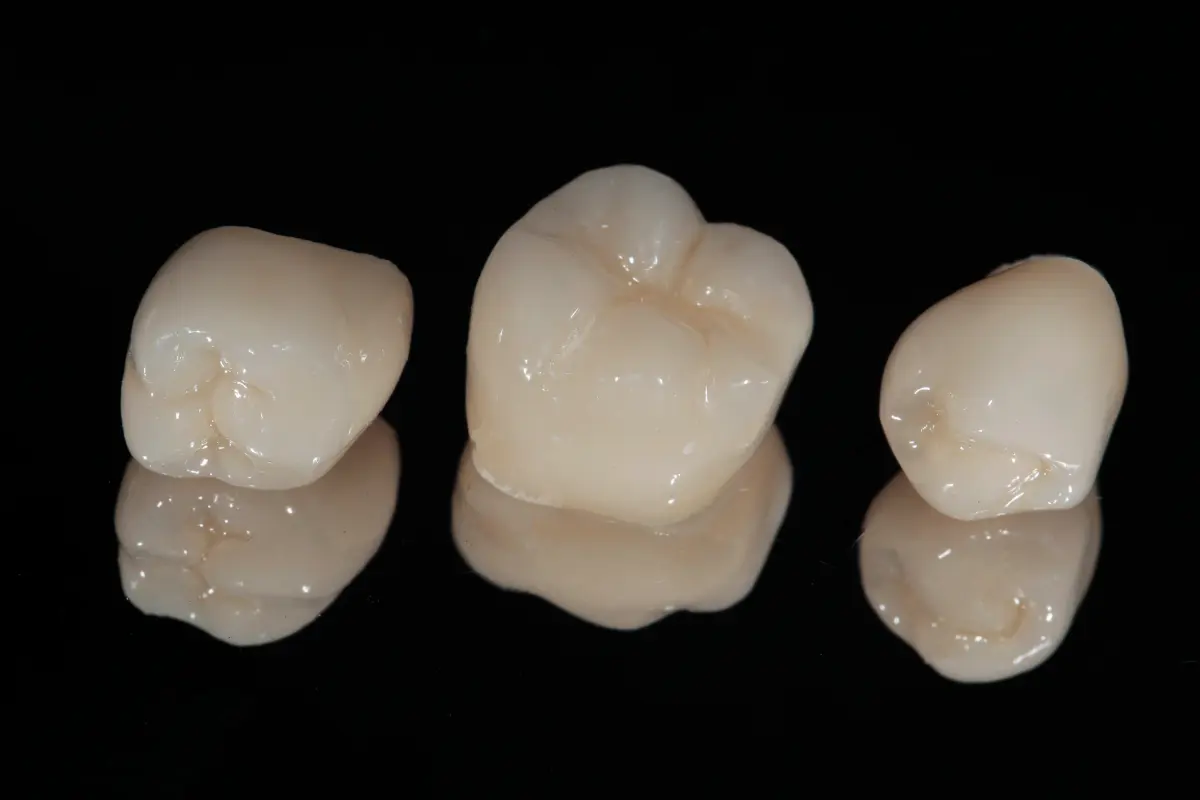
A dental crown covers and protects a damaged or weakened tooth, restoring its strength, shape and appearance. Custom-made and fitted to last.

Book an appointment →
What our patients say
★★★★★
I couldn't ask for better in respect of attention to all details: dentist, nurses and so on. Just brilliant.
CL
Clagat
Google Review
Dental crowns, Stourbridge

A tooth rebuilt
to last for years

A dental crown is a cap that fits over the entire visible surface of a tooth, restoring its shape, strength and appearance. Crowns are used when a tooth is too damaged or weakened to be restored with a filling alone, and are custom-made in a dental laboratory to fit precisely and blend naturally with your other teeth.

Protects damaged or cracked teeth
A crown holds a weakened tooth together, preventing further fracture and allowing normal biting and chewing
Restores heavily filled teeth
When too little natural tooth remains to support another filling, a crown provides a stronger and longer-lasting alternative
Covers root-treated teeth
Teeth that have had root canal treatment become more brittle over time, and a crown significantly reduces the risk of fracture
Natural-looking result
Modern ceramic and zirconia crowns are matched carefully to the shade and shape of your surrounding teeth
Dental crowns Stourbridge
Crown materials

The types of crown
we provide

The right material depends on where the tooth is in your mouth, how much strength is needed and the aesthetic result you want. We advise which suits your situation at your consultation.

Book a consultation
Most aesthetic Full porcelain

The most natural-looking option. Excellent for front teeth where appearance is the priority. Matched precisely to your tooth shade for a seamless result.

Strongest ceramic Zirconia

Extremely strong and tooth-coloured. Ideal for back teeth where bite forces are highest. Zirconia crowns are highly durable and look natural without any metal.

Classic option Porcelain-fused-to-metal

A metal inner core covered with tooth-coloured porcelain. A tried and tested option combining strength with a natural appearance. A dark line at the gum margin can occasionally be visible over time.

Back teeth Metal or gold alloy

The most durable and longest-lasting option. Requires the least removal of tooth structure. Preferred by some patients for back teeth where aesthetics are less important.

Why crowns work

What a crown
can do for your tooth

A crown does far more than improve the appearance of a tooth. It protects, strengthens and restores function in ways a filling simply cannot.

01
Protection
Prevents a tooth from fracturing

A cracked or heavily filled tooth is at serious risk of splitting under biting forces. A crown holds the tooth together, distributing load evenly and greatly reducing the risk of fracture.

02
Strength
Restores full chewing function

A badly damaged tooth often cannot be used properly for eating. A crown restores the tooth to its natural shape and strength, allowing normal biting and chewing without pain or discomfort.

03
Longevity
Lasts far longer than a filling

Where a large filling repeatedly breaks down, a crown provides a long-lasting alternative. A well-made crown on a healthy tooth can last 10 to 15 years or considerably longer with good care.

04
After root canal
Protects root-treated teeth

Root canal treatment removes the pulp that kept the tooth supple. Over time the tooth becomes brittle. A crown fitted after root canal treatment significantly extends the life of the tooth.

05
Aesthetics
Looks completely natural

Modern ceramic and zirconia crowns are colour-matched to your surrounding teeth. Most patients cannot distinguish their crowned tooth from their natural ones once fitted.

06
Implants
Completes a dental implant

A crown is the visible part of a dental implant, fitted onto the abutment post. The same quality and matching standards apply, and the result looks and functions just like a natural tooth.

The process

What happens
at each appointment

A crown is typically completed across two appointments, with the laboratory making your crown between visits.
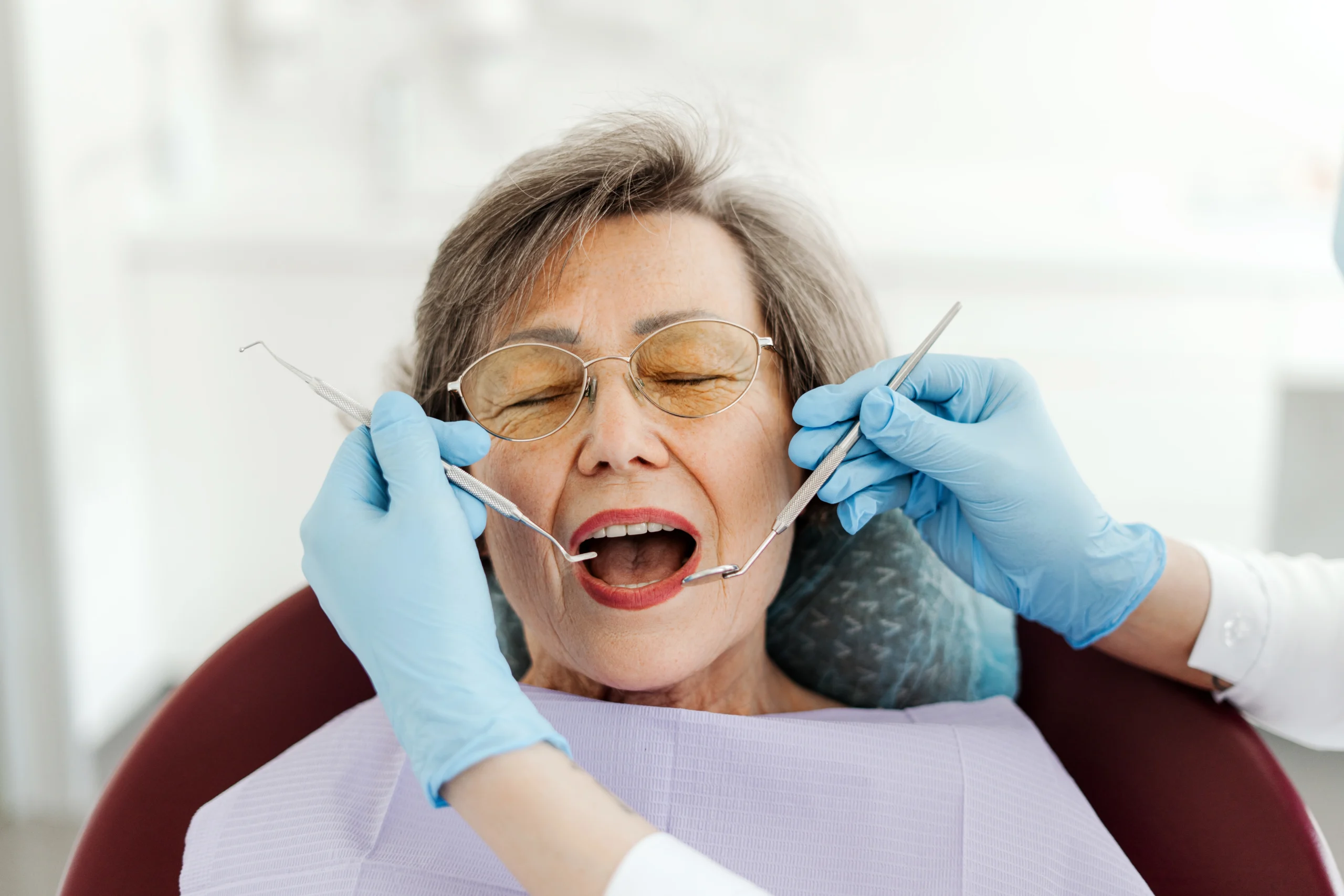
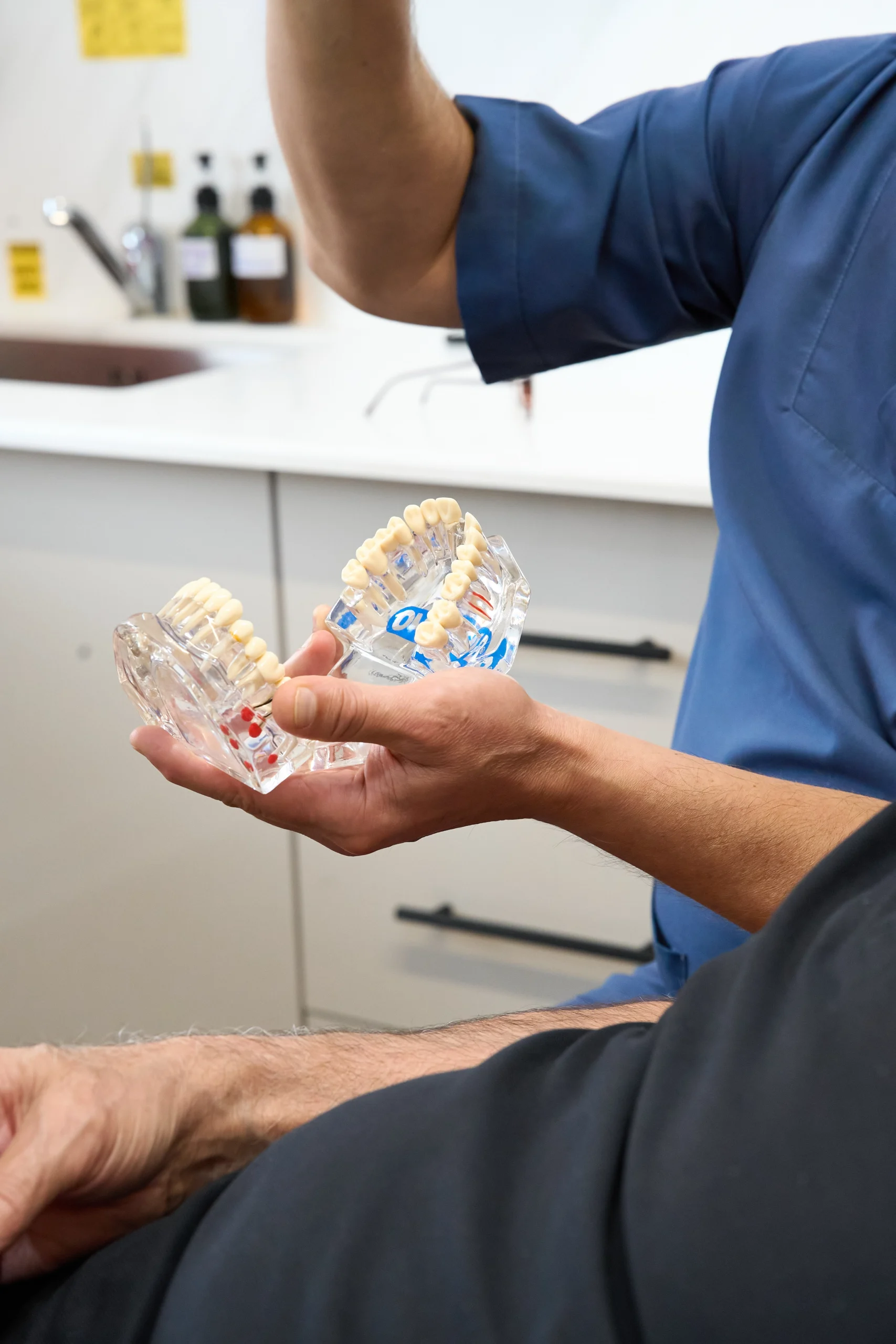
Consultation Preparation Impressions Final fitting
01 / 04
Consultation Preparation Impressions Final fitting
01 / 04
01
Consultation
Assessing the tooth

We examine the tooth, take X-rays where needed and assess whether a crown is the right treatment. We explain why a crown is recommended, what material we suggest and why, and provide a clear cost estimate before any treatment begins. If root canal treatment is needed first, this is planned and completed before the crown is placed.

02
Preparation
Shaping the tooth

Under local anaesthetic, the tooth is carefully shaped to create space for the crown. The amount removed depends on the material chosen: metal crowns require less reduction than ceramic ones. We remove any existing decay or failing filling material at this stage. Precise preparation is essential to the long-term fit and comfort of the crown.

03
Impressions and temporary crown
Recording your tooth in detail

Detailed impressions of the prepared tooth and surrounding teeth are taken and sent to the dental laboratory. A temporary crown is fitted to protect the tooth while your final crown is being made, which typically takes one to two weeks. The temporary crown allows normal eating and speaking while you wait.

04
Final fitting
Fitting your final crown

The temporary crown is removed and the final crown is tried in before being cemented. We check the fit, the contact with adjacent teeth and the bite carefully before it is fixed in place. Any minor adjustments are made at this appointment. Once cemented, the crown is fully functional immediately and should be indistinguishable from your natural teeth.

Aftercare

Looking after
your crown

Daily cleaning

A crown cannot decay but the tooth underneath it can. Brushing and flossing around the crown margin, where the crown meets the gum, is essential. Food and bacteria accumulating there can cause decay at the edge of the crown, which is one of the most common reasons crowns need replacing.

Sensitivity

Some sensitivity to temperature or pressure in the first few weeks after fitting is normal as the tooth settles. This usually resolves on its own. If sensitivity persists or worsens beyond a few weeks, contact us so we can assess whether anything needs attention.

Grinding and clenching

If you grind your teeth at night, the forces involved can crack or dislodge a crown over time. A custom-made night guard is the most effective way to protect both the crown and your other teeth. We can make one for you if needed.

Check-ups

Regular check-ups allow us to monitor the crown margin for early signs of decay, check the bite has not shifted and ensure the crown remains in good condition. Most crowns last well over a decade with proper care and routine maintenance.

Crown feeling loose or sensitive? Do not leave it. Contact us promptly and we will assess it at the next available appointment before any underlying issue develops further.


Dental crown aftercare Stourbridge
Common questions

Dental crown FAQs

Questions we hear most often from patients considering a crown at our private practice in Stourbridge.

01Does having a crown fitted hurt?

The preparation is carried out under local anaesthetic, so you should feel no pain during the procedure. Some sensitivity afterwards is normal and usually settles within a few weeks.

02How long does a crown last?

With good care and regular check-ups, a well-made crown typically lasts 10 to 15 years or longer. The most common reasons for replacement are decay at the margin or fracture from grinding.

03Will it look natural?

Yes. Modern ceramic and zirconia crowns are matched to the shade and shape of your surrounding teeth. Most patients cannot tell which tooth has a crown once it is fitted.

04Do I need a crown after root canal treatment?

For most back teeth, yes. Root-treated teeth become brittle and are at significant risk of fracture without a crown. We advise this routinely and explain why at the time of root canal treatment.

05How many appointments does it take?

Typically two appointments: one for preparation and impressions where a temporary crown is fitted, and one to fit the final crown one to two weeks later.

06Can a crowned tooth still decay?

The crown itself cannot decay, but the natural tooth underneath it can, particularly at the margin where the crown meets the gum. Good brushing and flossing around the crown is essential.

01 · Comfort
Does having a crown fitted hurt?

The tooth preparation appointment is carried out under local anaesthetic. You will feel pressure and vibration but no pain during the procedure. Once the anaesthetic wears off, the prepared tooth and surrounding gum may be tender for a day or two, which is normal. Some temperature sensitivity in the first few weeks after the final crown is fitted is also common as the tooth settles. This usually resolves on its own. If sensitivity is significant or persists beyond a few weeks, contact us so we can assess whether anything needs attention.

02 · Longevity
How long does a crown last?

A well-made crown on a well-maintained tooth typically lasts between 10 and 15 years, and many last considerably longer. The most common reasons a crown needs replacing are decay developing at the margin where the crown meets the tooth, and fracture caused by grinding or heavy biting forces. Good oral hygiene, particularly cleaning around the crown margin, and wearing a night guard if you grind your teeth are the most effective ways to extend the life of a crown. Regular check-ups allow us to spot early issues before they become problems.

03 · Appearance
Will it look natural?

Modern ceramic and zirconia crowns are designed to be indistinguishable from natural teeth. The shade is matched carefully to your surrounding teeth, and the shape is designed to mirror the natural anatomy of the tooth being restored. Most patients are pleasantly surprised by how natural the result looks and feels. For front teeth in particular, the aesthetic outcome of a well-made ceramic crown is excellent. For back teeth where strength is more important, we may recommend zirconia, which is equally natural-looking but considerably stronger.

04 · Root canal
Do I need a crown after root canal treatment?

For most back teeth, a crown after root canal treatment is strongly recommended. Root canal treatment removes the pulp tissue that kept the tooth hydrated and flexible, making the tooth significantly more brittle over time. Without a crown, a root-treated back tooth is at serious risk of fracturing under normal biting forces, which can result in the tooth being unrestorable and requiring extraction. The crown protects the tooth and dramatically improves its long-term prognosis. For front teeth the risk is lower, and a crown may not always be necessary, but we advise on a case-by-case basis.

05 · Timeline
How many appointments does it take?

A crown typically requires two appointments. At the first, the tooth is prepared under local anaesthetic, impressions are taken and a temporary crown is fitted. The impressions are sent to the dental laboratory where your crown is made, which usually takes one to two weeks. At the second appointment, the temporary crown is removed and the final crown is tried in, checked for fit and bite, and cemented into place. The whole process from first appointment to final fitting usually takes two to three weeks in total.

06 · Decay risk
Can a crowned tooth still decay?

The crown material itself cannot decay, but the natural tooth structure underneath it can, particularly at the margin where the crown edge meets the tooth at gum level. Bacteria accumulating at this junction can cause decay that undermines the crown from below, which is one of the most common reasons crowns need to be replaced. Thorough brushing around the gum margin and flossing around the crown daily are the best defences against this. Regular hygiene appointments and check-ups allow us to clean the margin professionally and monitor for any early signs of decay.

Dental crowns Stourbridge

Save the tooth
while you still can

Dental crowns Custom-made Private practice, Stourbridge
Scroll to Top