
Dental Bridges Stourbridge
Fill the gap with
a fixed solution
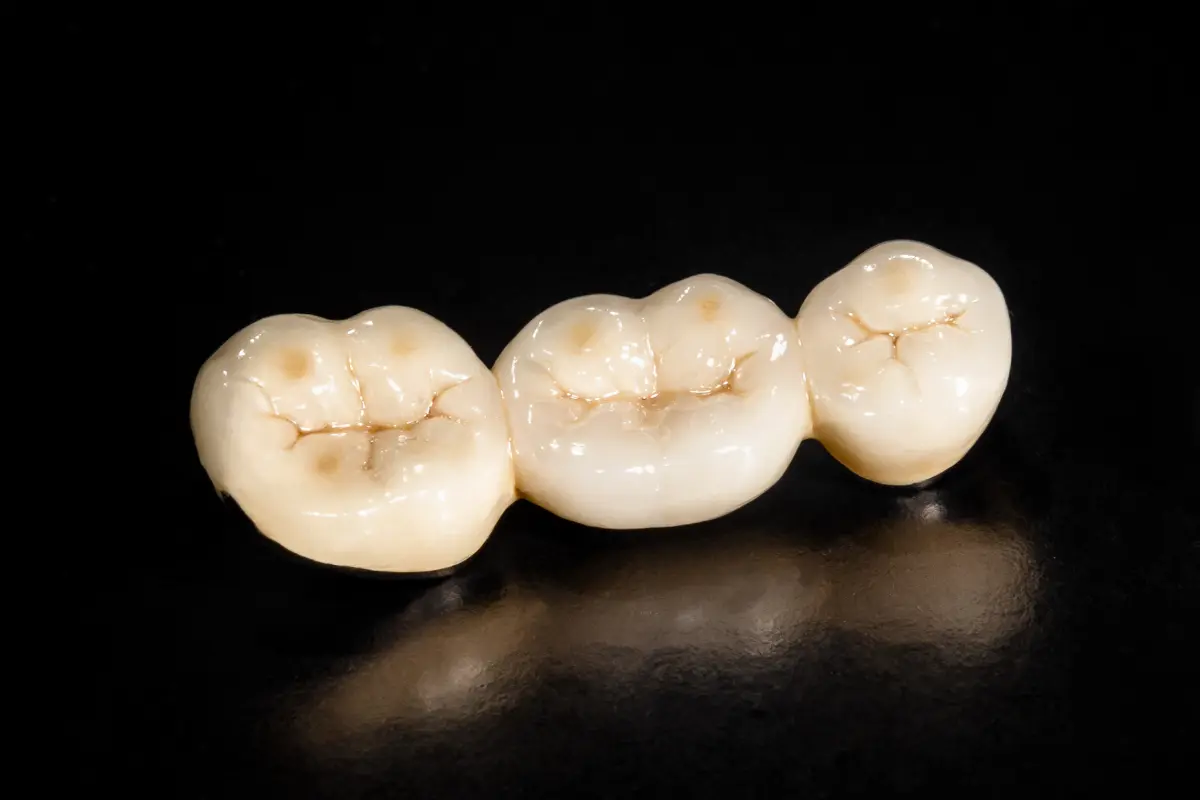
A dental bridge fills the space left by one or more missing teeth using a fixed, non-removable restoration that looks and functions like natural teeth.
Book an appointment →Fixed teeth,
no surgery required
A dental bridge replaces one or more missing teeth using a fixed restoration anchored to the teeth on either side of the gap. The result is a set of teeth that looks, feels and functions naturally, without the need for implant surgery or the inconvenience of a removable partial denture.
Prefer a solution that does not involve the adjacent teeth? Dental implants may be more suitable.

The bridges
we provide
The type of bridge that is right for you depends on where the gap is, the condition of the teeth on either side and your preferences. We advise on the best option at your consultation.
Book a consultationCrowns are placed on the teeth either side of the gap, with a false tooth suspended between them. Strong, reliable and suitable for most situations where two healthy teeth flank the space.
Where there is only one tooth adjacent to the gap, a cantilever bridge anchors the false tooth to a single supporting crown. Used in specific situations where a traditional bridge is not possible.
Metal or ceramic wings bond to the back of the adjacent teeth, holding the false tooth in place without crowning them. Less preparation required, making it a conservative option for suitable cases.
Where multiple adjacent teeth are missing, implants placed at either end support the bridge without involving any natural teeth. The most stable and long-lasting fixed option for larger gaps.
A fixed gap that
looks completely natural
A well-made bridge restores far more than just the appearance of a missing tooth.
A gap in the teeth makes chewing harder and shifts the load onto other teeth. A bridge restores the full biting surface, allowing you to eat normally without compensating with other parts of your mouth.
Without a tooth in the gap, neighbouring and opposing teeth begin to shift into the space over time. This leads to bite changes, increased wear and can make future treatment more complex. A bridge stops this immediately.
Ceramic and zirconia bridges are colour-matched and shaped to blend with your surrounding teeth. Most patients forget they have a bridge within a few weeks of it being fitted.
For patients who cannot have or prefer to avoid implant surgery, a bridge offers a fixed, non-removable result that requires no surgical procedure, no healing period and no bone grafting.
Missing front teeth in particular affect how certain sounds are produced. A bridge restores the tooth surfaces involved in speech, helping you speak clearly and confidently again.
A well-made bridge with good oral hygiene and regular check-ups typically lasts 10 to 15 years or longer. The key is keeping the area under and around the bridge clean to prevent decay at the margins.
Bridge vs implant: A bridge is quicker and requires no surgery, but involves preparing the adjacent teeth. An implant leaves neighbouring teeth untouched but requires surgery and a longer treatment timeline. We discuss both options honestly at your consultation.
What happens
at each appointment
A bridge is typically completed across two appointments, with the laboratory making your bridge between visits.
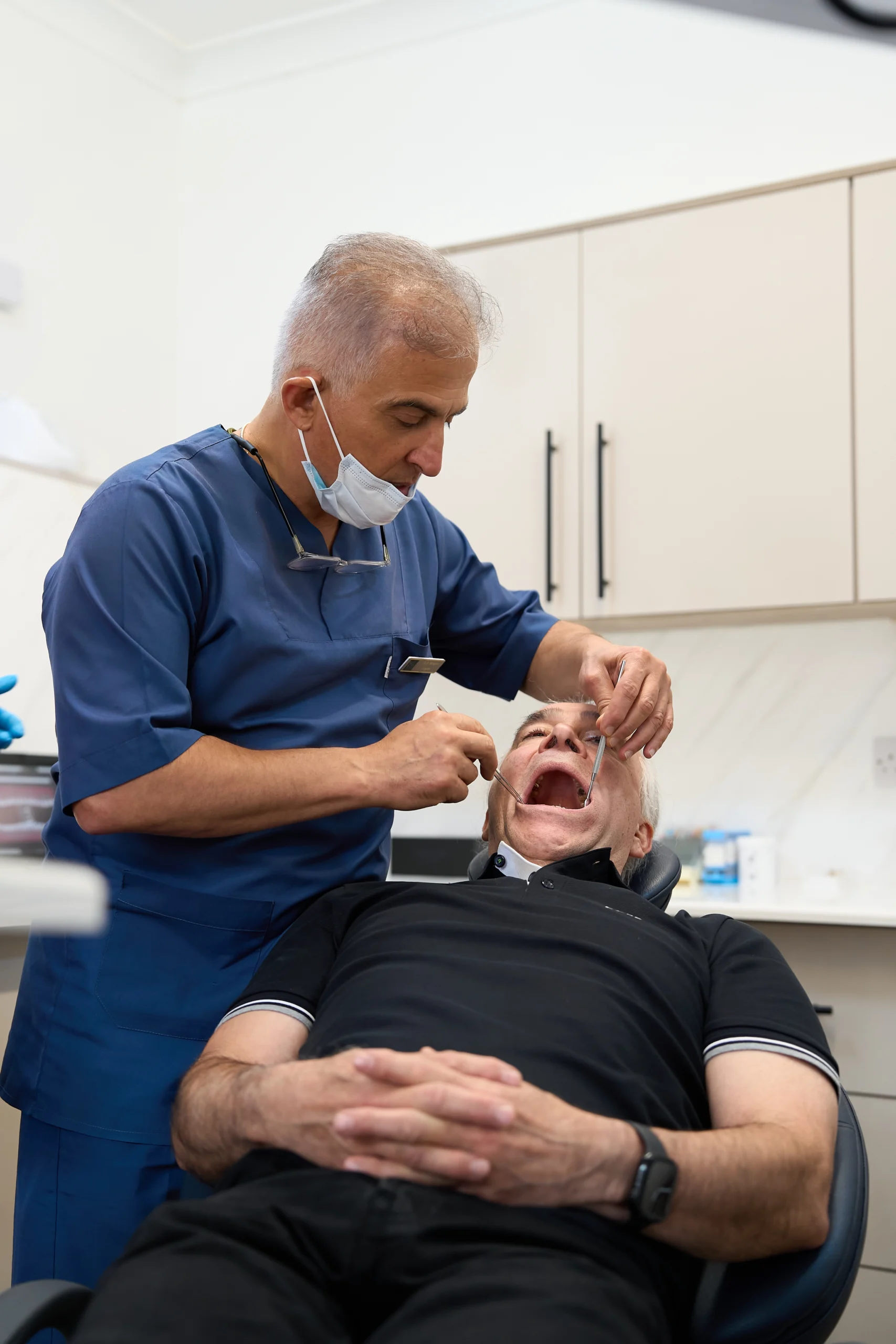

We examine the gap and the teeth on either side, take X-rays where needed and assess whether a bridge is the right solution for your situation. We discuss the type of bridge most suitable, what material we recommend and why, and how it compares to other options such as an implant. A full written cost estimate is provided before any treatment begins.
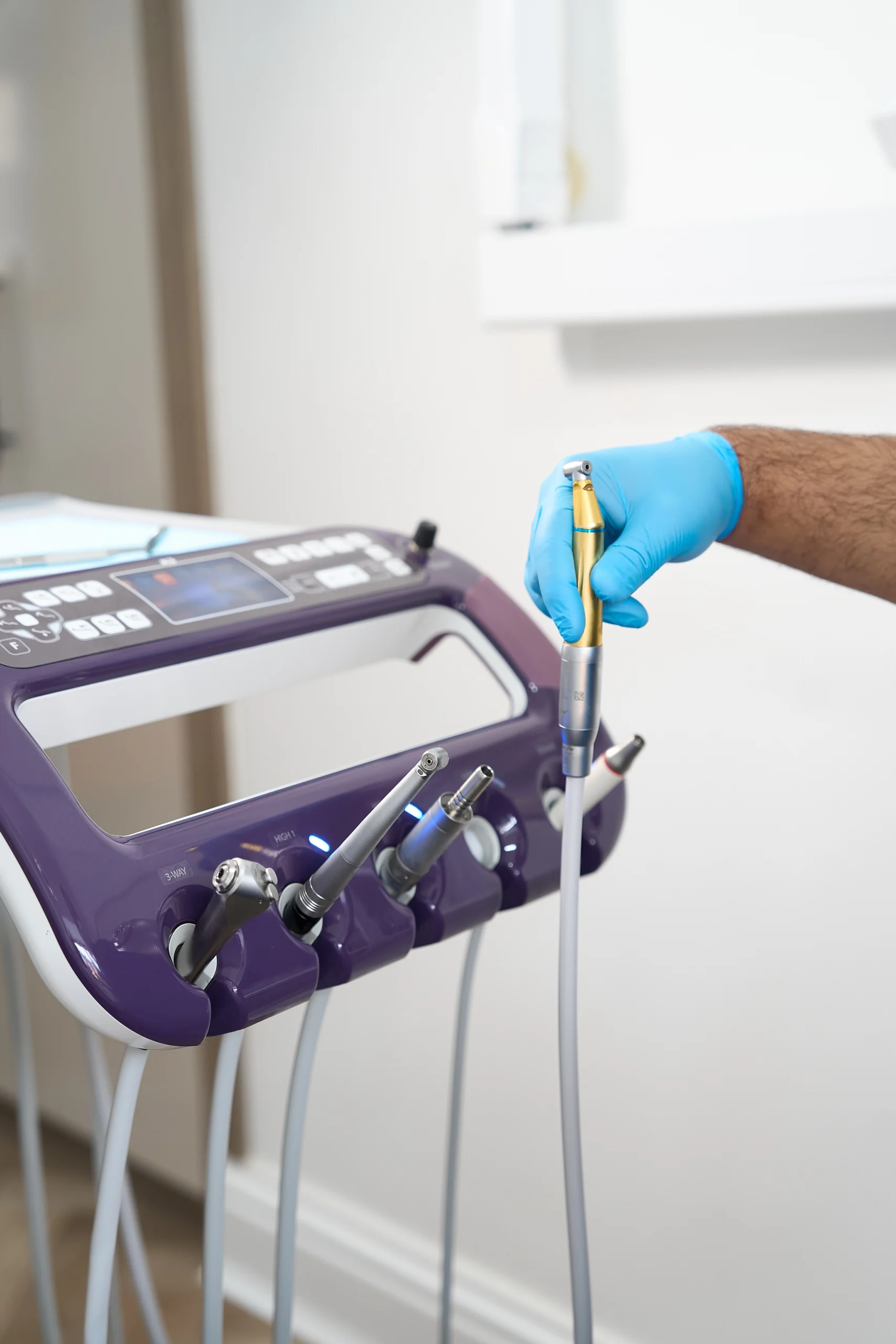
The teeth on either side of the gap are prepared under local anaesthetic to accept the bridge crowns. The amount of tooth reduced depends on the material chosen. We remove any decay or failing restorations at this stage. For a Maryland bridge, preparation is minimal and involves only the bonding area on the back of the adjacent teeth.
Detailed impressions of the prepared teeth, the gap and your bite are taken and sent to the dental laboratory. A temporary bridge is fitted to protect the prepared teeth and fill the gap while your final bridge is being made, typically taking one to two weeks. The temporary allows normal eating and speaking while you wait.
The temporary bridge is removed and the final bridge is tried in before cementing. We check the fit at both ends, the contact with adjacent teeth, the appearance of the false tooth and the bite carefully. Any adjustments are made before the bridge is cemented permanently. Once in place, the bridge is immediately functional and should be indistinguishable from your natural teeth.
Looking after
your bridge
The most important maintenance task for a bridge is cleaning underneath the false tooth, where it meets the gum. Food and plaque accumulate here and cannot be removed by a toothbrush alone. A floss threader, interdental brush or water flosser should be used daily to clean this area thoroughly.
The junction where the bridge crowns meet the supporting teeth at gum level needs careful brushing. Decay developing at these margins is the most common reason a bridge eventually needs replacing. Diligent cleaning here significantly extends the life of the bridge.
If you grind your teeth at night, the forces involved can fracture a ceramic bridge over time. A custom-made night guard protects the bridge and your other teeth. If you suspect grinding, mention it to us and we can assess and advise.
Regular check-ups allow us to assess the bridge margins for early decay, clean the area underneath professionally and check that the bite has not shifted. Most bridges last 10 to 15 years or longer with good home care and routine maintenance.
Bridge feeling loose or sensitive? Contact us promptly. A bridge that is beginning to fail needs attention before the underlying teeth are affected.

Other ways to replace missing teeth
A bridge is one of several options for replacing missing teeth. We always discuss the alternatives so you can make an informed choice about what is right for you.
Dental bridge FAQs
Questions we hear most often from patients considering a bridge at our private practice in Stourbridge.
Neither is universally better. A bridge is quicker, costs less and requires no surgery. An implant leaves the adjacent teeth untouched and preserves the jawbone. We discuss both honestly so you can decide.
The preparation is done under local anaesthetic and should be painless. Some sensitivity afterwards is normal and settles within a few weeks as the teeth adjust to the bridge.
A well-made bridge with diligent cleaning typically lasts 10 to 15 years or longer. The main risk factors are decay at the crown margins and inadequate cleaning under the false tooth.
Once fully settled, a bridge allows normal eating. Very hard or sticky foods should be treated with care, as they can fracture ceramic bridges or dislodge them over time. Otherwise, you should be able to eat normally.
Not in the conventional sense, as the bridge is one unit. However, cleaning under the bridge is essential. A floss threader, interdental brush or water flosser allows you to clean effectively beneath the false tooth each day.
Typically one to three teeth, depending on the location in the mouth and the condition of the supporting teeth. Larger gaps are often better suited to implant-supported bridges or implants, which we discuss at your consultation.
The honest answer is that it depends entirely on your situation. A bridge is completed in two appointments over two to three weeks, costs considerably less than an implant and involves no surgery or healing period. However, it requires preparing the teeth on either side of the gap, which are otherwise healthy. An implant places a titanium post in the jaw and leaves the adjacent teeth completely untouched. It preserves the jawbone and is generally the preferred long-term option where bone levels allow. We discuss both at your consultation and give you our honest recommendation based on your specific anatomy, priorities and budget.
View dental implants →The preparation appointment is carried out under local anaesthetic, so you should feel no pain during the procedure itself. Once the anaesthetic wears off, the prepared teeth may be sensitive to temperature and pressure for a few days to a few weeks. This is normal as the teeth adjust to the new bridge. If sensitivity is significant or increases rather than settles, contact us so we can check that everything is as it should be. Most patients find the process considerably less uncomfortable than they anticipated.
A well-made bridge with good oral hygiene and regular check-ups typically lasts between 10 and 15 years, and many bridges last considerably longer. The two main reasons a bridge eventually needs replacing are decay developing at the crown margins where they meet the supporting teeth, and inadequate cleaning under the false tooth leading to gum problems or decay on the adjacent teeth. Both are largely preventable with diligent home care. Regular professional hygiene appointments and check-ups allow us to monitor the bridge and address any early issues before they become serious.
In the short term, while the bridge is settling and any residual sensitivity resolves, softer foods are preferable. Once fully settled, most patients eat completely normally. Ceramic and zirconia bridges are strong and durable under normal biting forces. The main foods to treat with care are very hard items such as hard sweets, ice and very crusty bread, which can fracture ceramic under concentrated force. Sticky foods like toffee should also be avoided as they can place stress on the bridge. Outside of these, diet is largely unrestricted.
Conventional flossing is not possible in the way it is for natural teeth, as the bridge is a single connected unit and floss cannot pass between the false tooth and the adjacent crowns. However, cleaning under the bridge daily is one of the most important things you can do to maintain it. A floss threader allows you to pass floss underneath the false tooth and sweep it along the underside. Alternatively, a water flosser is highly effective and easier to use for this purpose. We demonstrate the correct technique at the fitting appointment and are happy to show you again at any check-up.
A conventional bridge can typically replace one to three missing teeth, depending on the location in the mouth, the size of the gap and the strength of the supporting teeth. Longer spans place greater stress on the abutment teeth and are generally less predictable over the long term. For larger gaps, an implant-supported bridge, which uses implants rather than natural teeth as the anchor points, is often a more reliable solution. We assess the suitability of a conventional bridge versus an implant-supported option at your consultation and advise on what will serve you best long-term.