

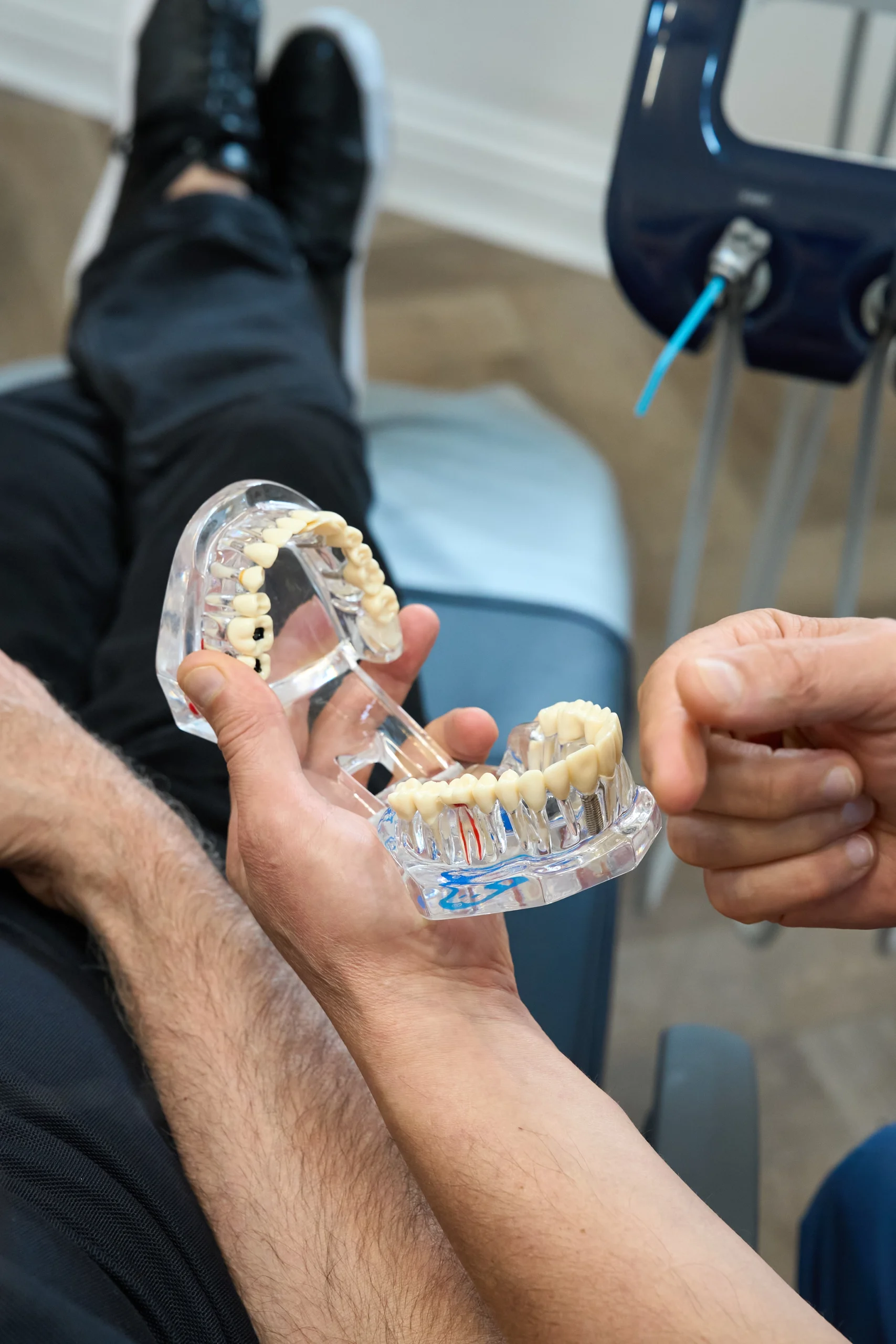
Root Canal Treatment in Stourbridge
Save your tooth,
end the pain
Root canal treatment has a reputation it does not deserve. With modern techniques and thorough anaesthetic, most patients are surprised by how straightforward and comfortable it is.
Book an appointment →More comfortable
than you expect
Root canal treatment removes infected or inflamed pulp from inside a tooth, relieving pain and saving the tooth from extraction. Modern techniques and effective anaesthesia make the procedure far more comfortable than its reputation suggests.
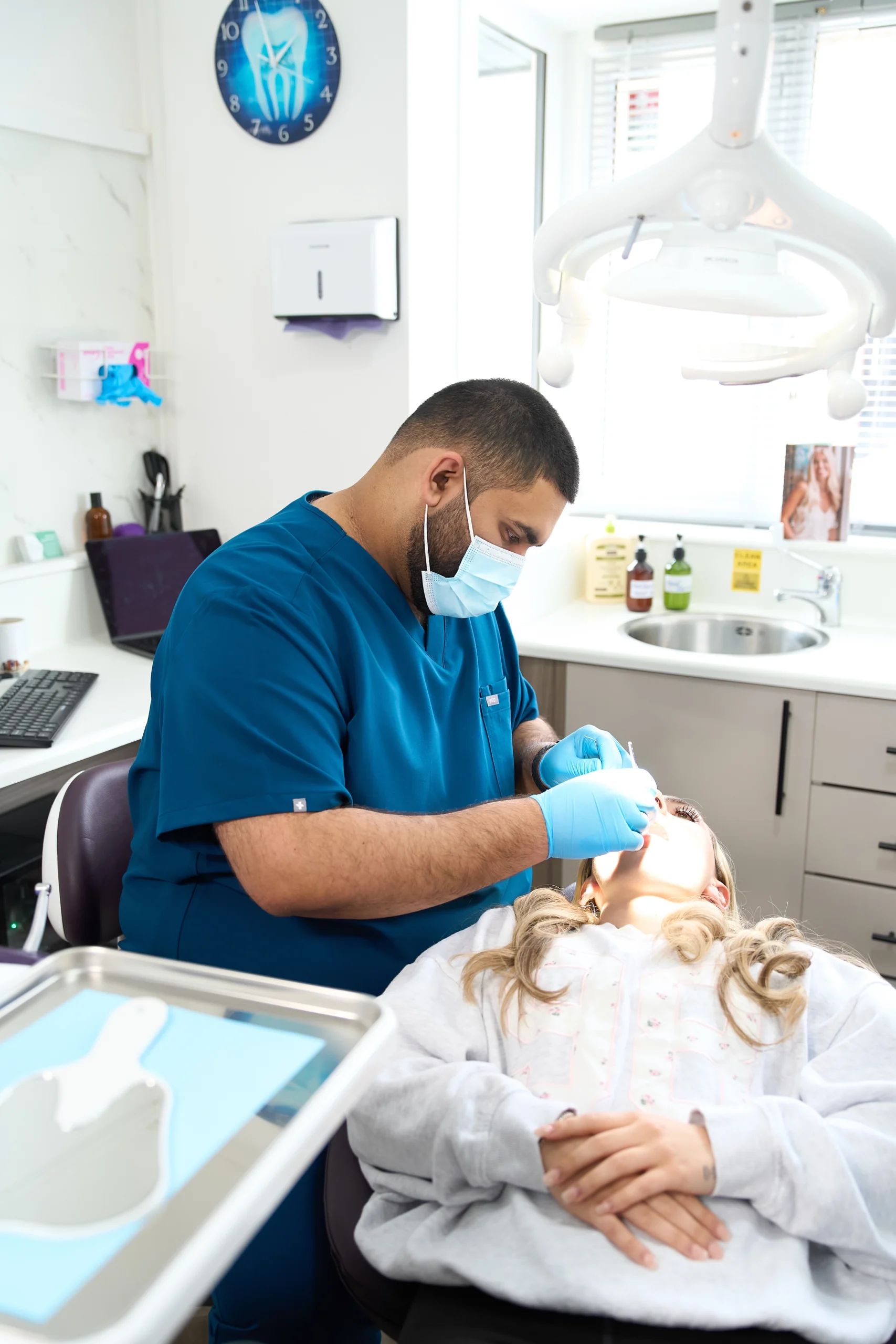
Signs you might
need root canal treatment
Root canal treatment is needed when the pulp inside a tooth becomes infected or inflamed. Here are the most common situations where we recommend it.
Deep, throbbing pain that does not ease with over-the-counter pain relief is a strong sign the pulp is infected. Root canal removes the source of the pain.
A pocket of infection at the root tip causing pain, swelling or a visible pimple on the gum. Root canal drains and clears the infection, saving the tooth.
Sensitivity to hot or cold that lingers long after the stimulus is removed can indicate that the nerve inside the tooth is damaged or dying.
A knocked or cracked tooth can damage the pulp without breaking the outer surface. Root canal treatment may be needed even if the tooth looks intact.
Untreated cavities can progress deep into the tooth and reach the pulp, causing infection. Root canal removes the decay and saves what remains of the tooth.
A tooth that darkens without obvious cause may have a dying or dead pulp inside. Root canal treatment can stabilise the tooth and prevent further deterioration.
Not sure if you need root canal? Book a consultation and we will examine the tooth and explain your options clearly.
What happens
during your root canal
Root canal treatment is more routine than most people expect. Here is exactly what happens at your appointment, step by step.
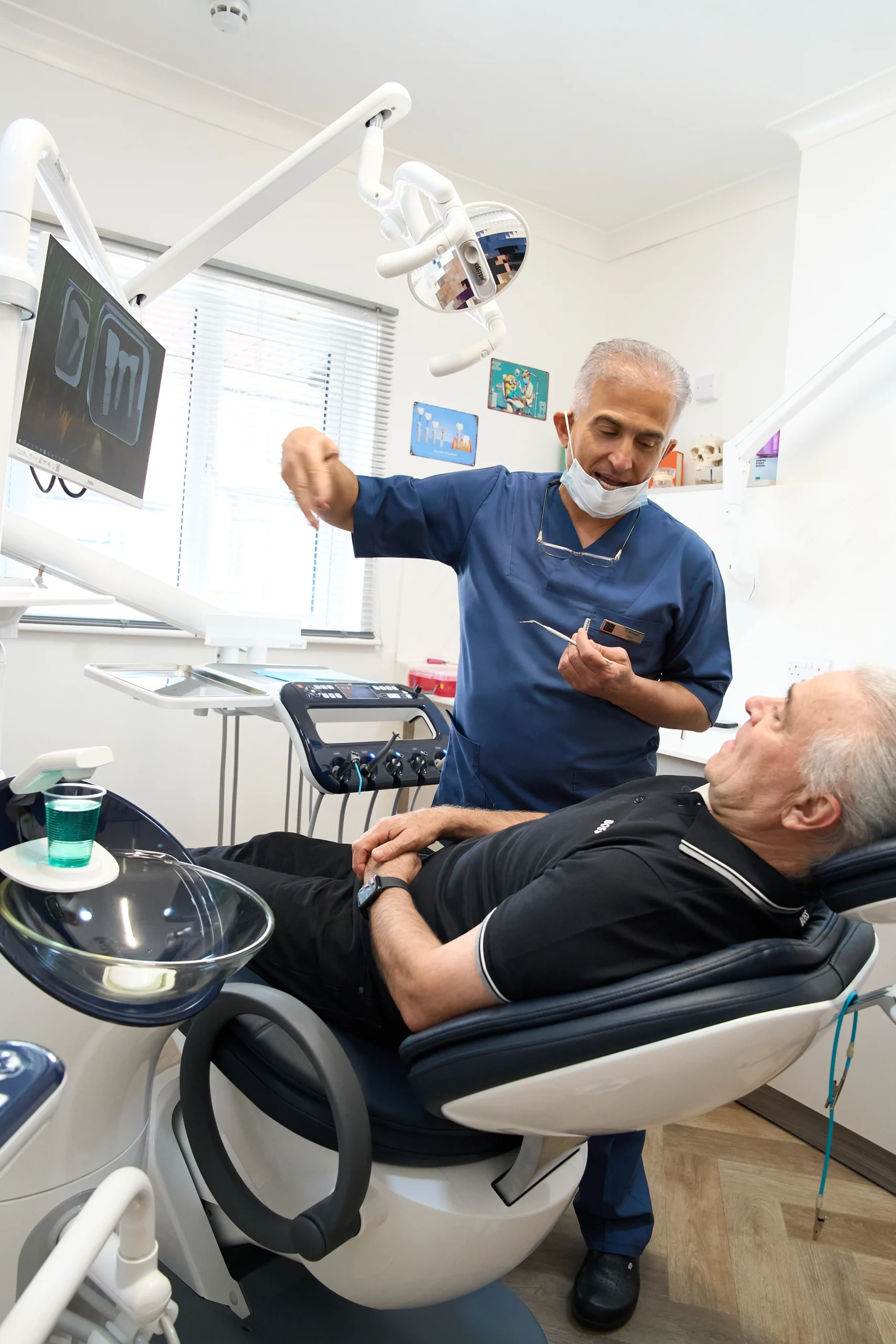
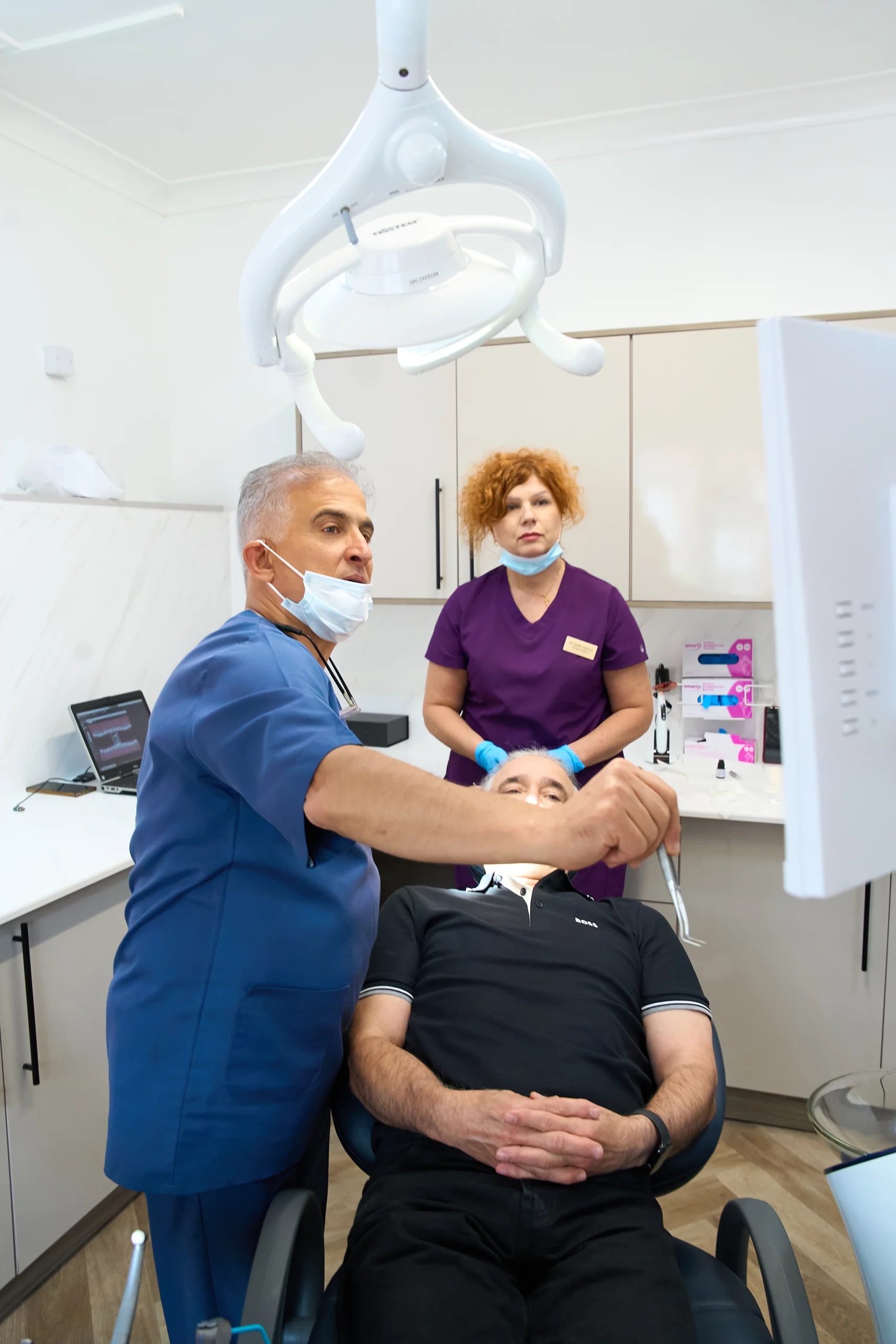

We take an X-ray to assess the extent of the infection and the shape of the root canals. Your dentist explains exactly what they find and what treatment involves before anything begins. You will never be surprised by a procedure you have not agreed to.
We apply a local anaesthetic and wait until the area is completely numb. Contrary to the procedure's reputation, you should feel no pain — only occasional pressure. If you feel anything at all, raise your hand and we stop immediately.
We access the inside of the tooth, remove the infected pulp and carefully clean and shape each root canal. The canals are then disinfected thoroughly. This is the stage that relieves the source of your pain and stops the infection from spreading.
Once clean, the canals are filled and sealed with a rubber-like material called gutta-percha. A temporary or permanent filling is placed, and we discuss placing a crown to fully protect and restore the tooth for the long term.
Looking after your tooth
after treatment
Some tenderness around the tooth for a few days is completely normal. Over-the-counter pain relief manages it well. If it gets significantly worse after 48 hours, call us.
Avoid chewing on the treated tooth until it has been permanently restored. The tooth is more vulnerable without a crown and can crack under pressure.
Continue brushing and flossing normally. Good hygiene protects the tooth and the surrounding area while healing takes place and after your crown is fitted.
We will arrange a follow-up appointment to place your permanent crown and check the tooth is healing well. Do not delay this — a crown is essential to the long-term success of the treatment.
When to call us: Severe swelling, increasing pain after 48 hours, or a loose temporary filling should all be reported to us promptly.

Protect the tooth
with a crown
A root-treated tooth becomes more brittle over time. A crown protects it from cracking and restores full function and appearance — it is an essential part of a successful outcome.
Root canal FAQs
Everything you need to know about root canal treatment at Wollaston Dental Practice.
No. We apply a thorough local anaesthetic before starting. You will feel pressure but no pain. Most patients are genuinely surprised by how straightforward it is.
Most root canals are completed in one visit. More complex cases or severe infections may require two. We will always tell you what to expect before you begin.
In most cases, yes. A root-treated tooth becomes more brittle and is at risk of cracking without a crown to protect it. We recommend this as part of the treatment plan.
View crowns →Keeping your natural tooth is almost always the better option. Extraction leads to bone loss and the need for a replacement. Root canal saves the tooth and avoids those complications.
A typical root canal appointment takes between 60 and 90 minutes. We will give you an accurate time estimate once we have assessed your tooth.
With a well-fitted crown and good oral hygiene, a root-treated tooth can last as long as a natural tooth. Regular check-ups allow us to monitor it over time.
No. Before we start, we apply a local anaesthetic and wait until the area is completely numb. You will feel some pressure during the procedure but no pain. Most patients tell us it was far more comfortable than they expected. If you feel anything at all, raise your hand and we will stop.
Most root canal treatments are completed in a single appointment lasting between 60 and 90 minutes. Some more complex cases — particularly where the infection is severe or the canals are unusually shaped — may require a second visit to ensure everything is fully cleaned and healed before sealing.
In the vast majority of cases, yes. A root-treated tooth no longer has a blood supply, which makes it more brittle and prone to cracking under biting pressure. A crown protects it, restores its full function and significantly extends the life of the tooth. We will always discuss this with you as part of your treatment plan.
View dental crowns →Keeping your natural tooth is almost always the preferred outcome. Extraction leads to bone loss at the site, neighbouring teeth shifting over time and the need for a replacement such as an implant or bridge. Root canal treatment preserves your natural tooth and avoids all of those secondary issues.
A typical root canal appointment lasts between 60 and 90 minutes, including time for the anaesthetic to work and for us to take an X-ray. We will always give you an accurate estimate based on your specific case before we begin, so you can plan your day accordingly.
With a properly fitted crown and good oral hygiene at home, a root-treated tooth can last as long as any natural tooth. Regular check-ups allow us to monitor the tooth and spot any issues early. Many root-treated teeth remain healthy and functional for decades.