
General Dentistry

Healthy smiles,
every day

From your first check-up to specialist care, we keep your smile in the best possible shape.

Urgent Dental Care

In pain? We can help today

Same-day emergency appointments for toothache, broken teeth, lost fillings and dental trauma. Call us first thing.

Emergency Dentist 01384 438 143
Cosmetic Dentistry

The smile
you'll love

Bespoke cosmetic treatments designed around you, delivering results you'll want to show off.

Transform Your Smile

Look great, feel confident

Modern cosmetic dentistry tailored to what you actually want, not a one-size-fits-all approach.

Book a Consultation
Restorative Dentistry

Your smile,
restored

Whether you're missing one tooth or many, we have a solution built around you.

Restore Your Confidence

Missing teeth? We can help

From single implants to full-arch solutions, we give you back your smile and your confidence.

Book a Consultation
Wollaston Dental Practice team
Private Dental Practice
What our patients say
★★★★★
They carried out my tooth implant with great professionalism and care, making what could have been a stressful procedure feel smooth and well managed.
SA
Soroush Aghamehdi
Google Review

Dental Implants in Stourbridge

The long-lasting
solution to missing teeth

Dental implants are the closest thing to a natural tooth. Fixed in place, built to last decades and indistinguishable from the teeth around them.

Book an appointment →
What our patients say
★★★★★
They carried out my tooth implant with great professionalism and care, making what could have been a stressful procedure feel smooth and well managed.
SA
Soroush Aghamehdi
Google Review
Dental implants, Stourbridge

A tooth that
feels completely natural

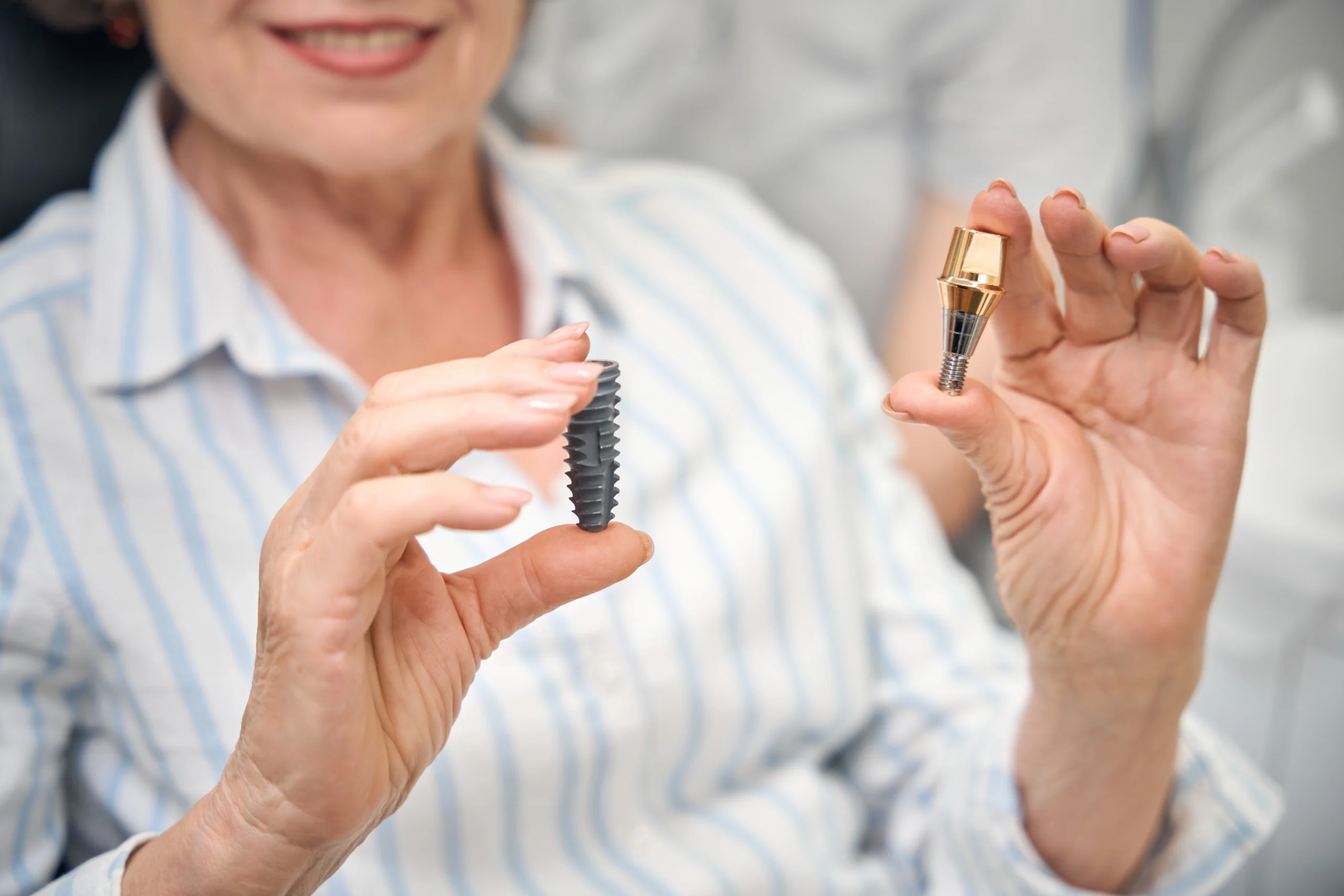
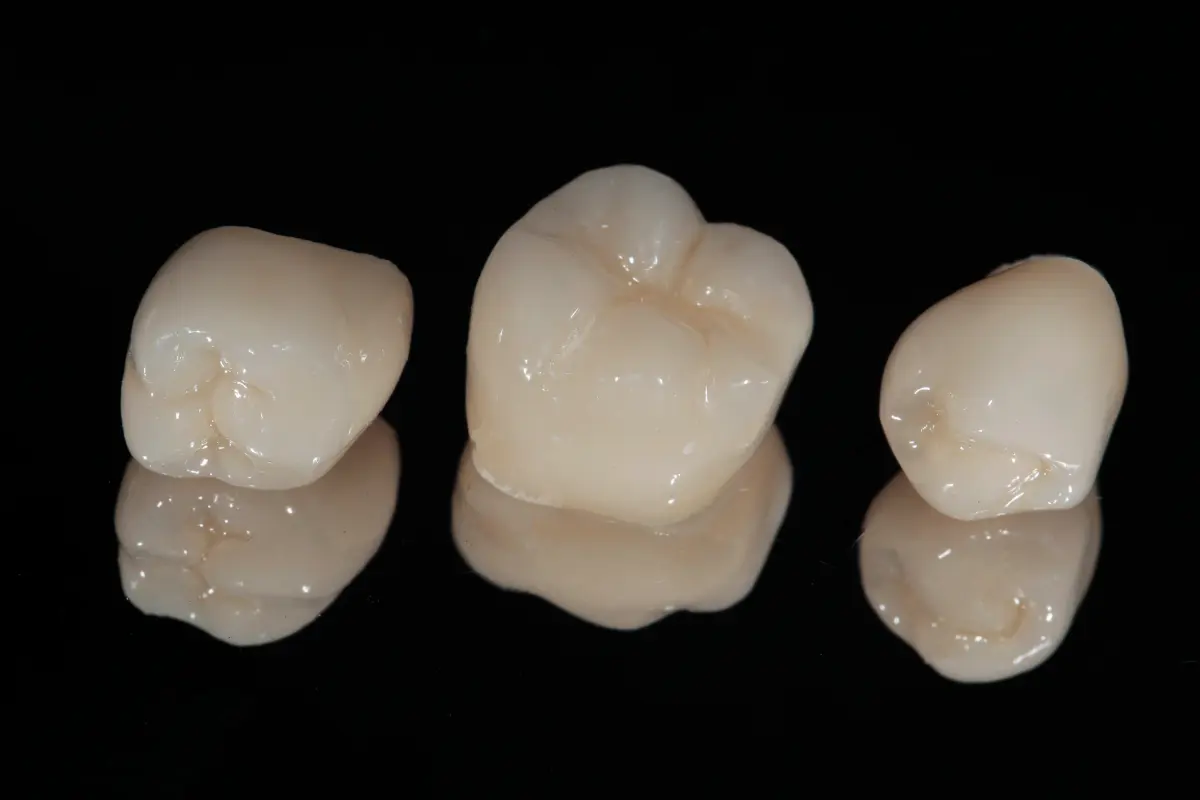
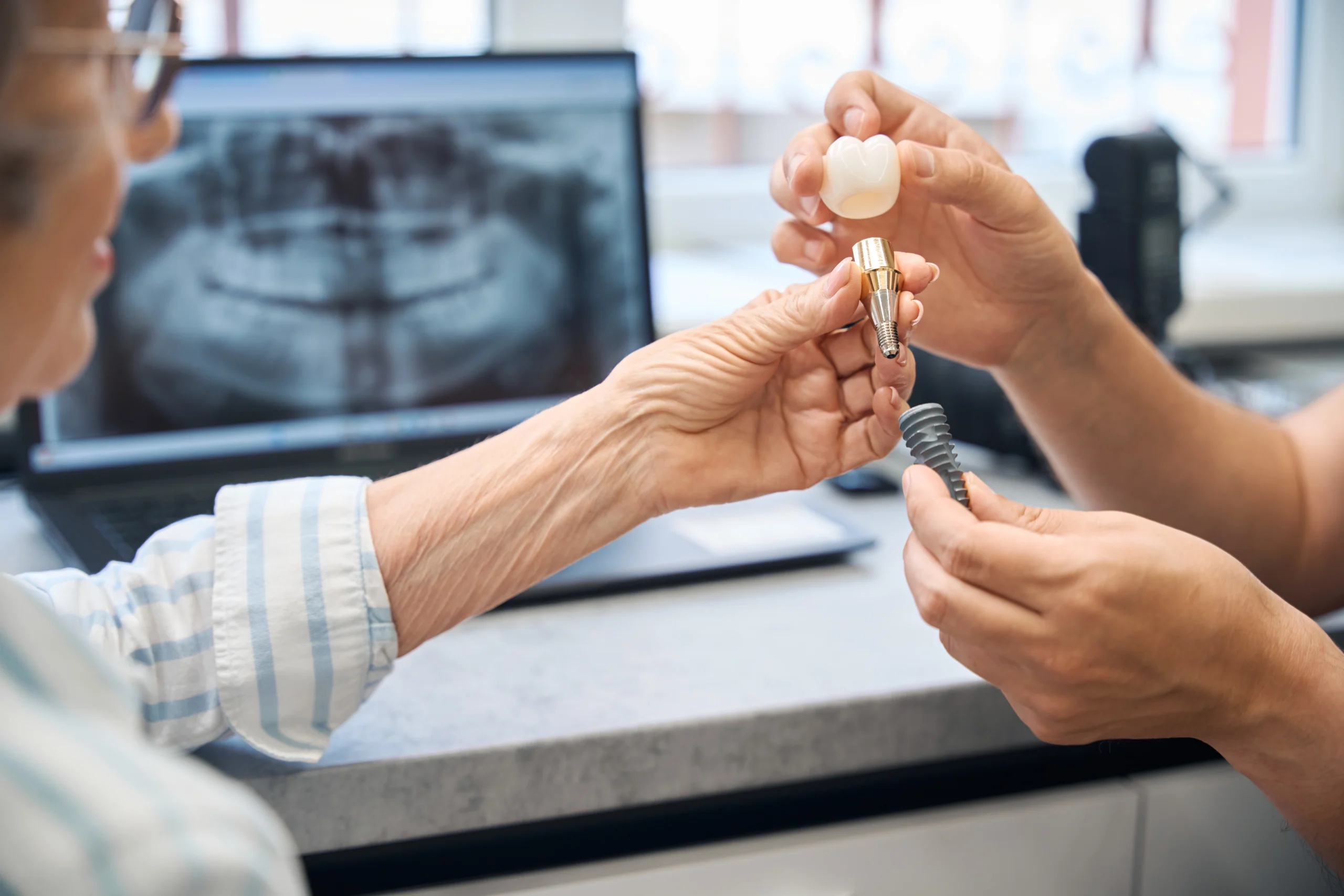
A dental implant is a titanium post placed into the jawbone, onto which a custom-made crown is fitted. The result is a fixed, fully functional replacement tooth that looks and feels exactly like the real thing, and can last a lifetime with proper care.
Fixed in place for life
Unlike dentures, implants are anchored to the jaw and never need to be removed
Preserves the jawbone
The titanium post stimulates the bone, preventing the deterioration that occurs when a tooth is missing
No impact on adjacent teeth
Unlike a bridge, an implant does not require the neighbouring teeth to be prepared or crowned
Can last decades
With proper care and regular check-ups, a well-placed implant can last 20 years or more
Dr Mohammed Ihsan
Dr Mohammed Ihsan
Principal Dentist
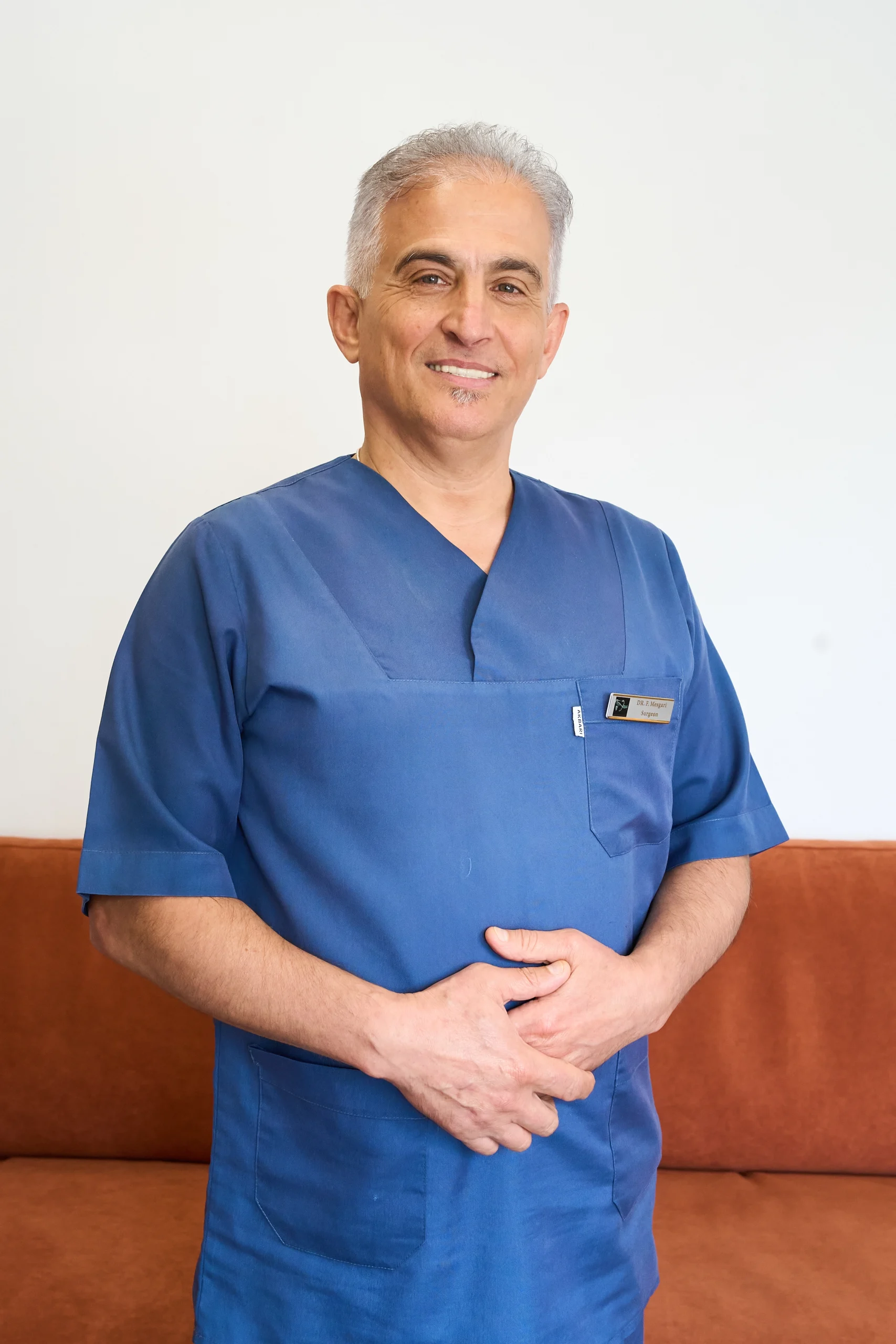
Dr Farid Mesgari Khosroshahi
Dr Farid Mesgari
Principal Dentist
Dental implants Stourbridge
Implant options

The implant solutions
we offer

From a single missing tooth to full arch replacement, we offer a range of implant-based solutions to suit different needs and budgets.

Book a consultation
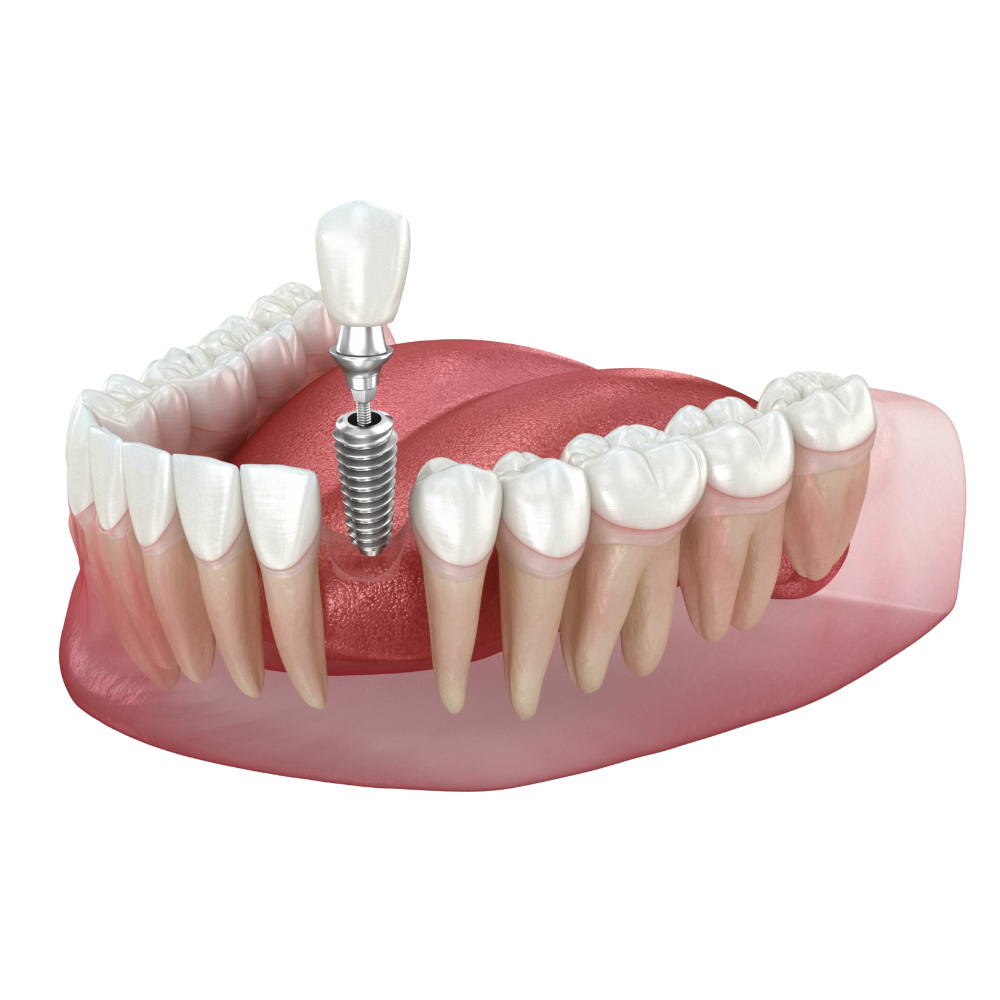
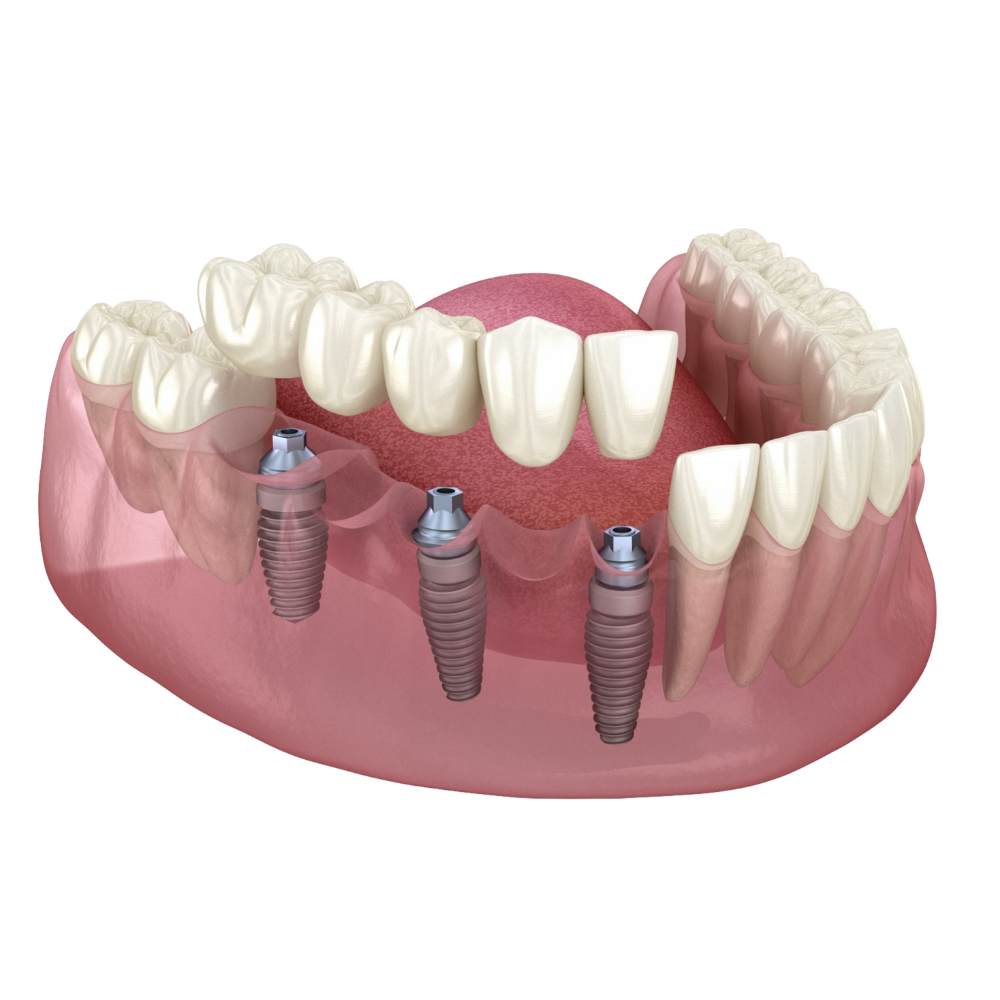
Single dental implant
Most common
Single tooth implant
Multiple dental implants
Multiple teeth
Multiple implants
All-on-4 dental implants
Full arch
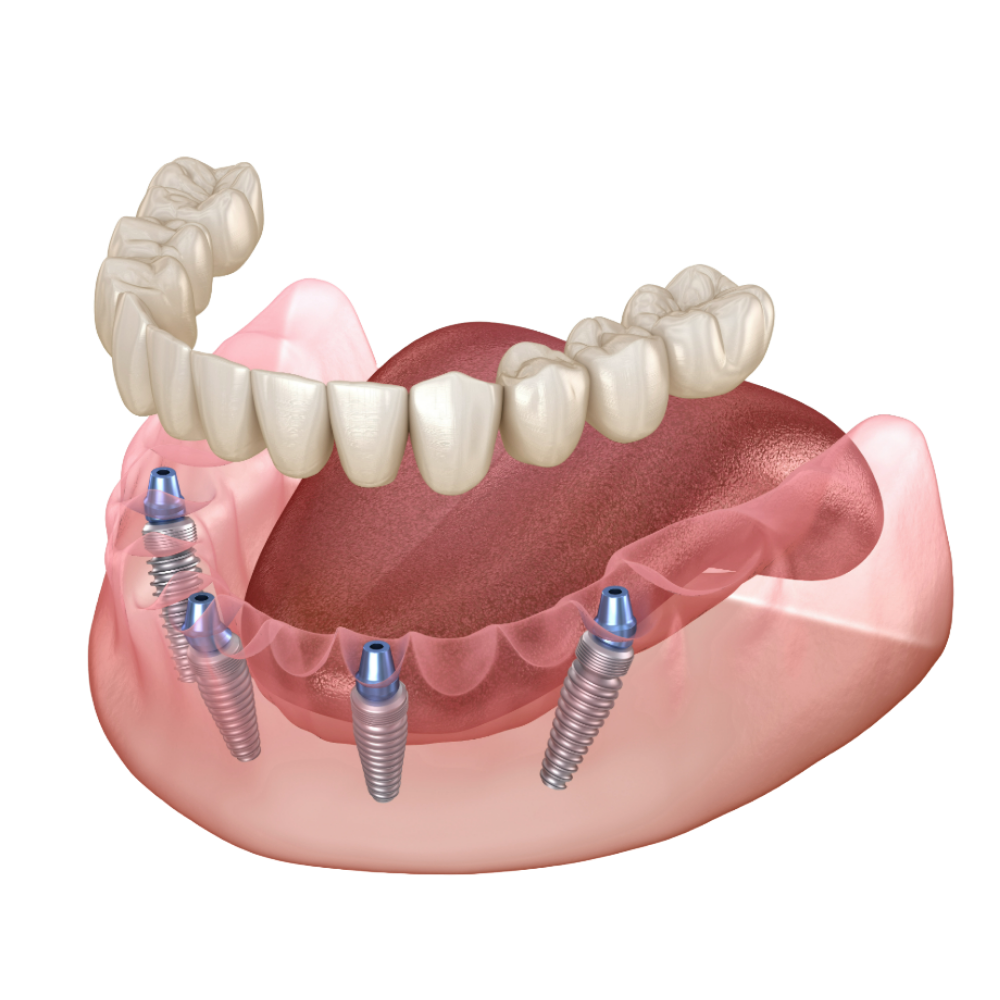
All-on-4 and All-on-6
Learn more →
Implant-retained dentures
Removable option
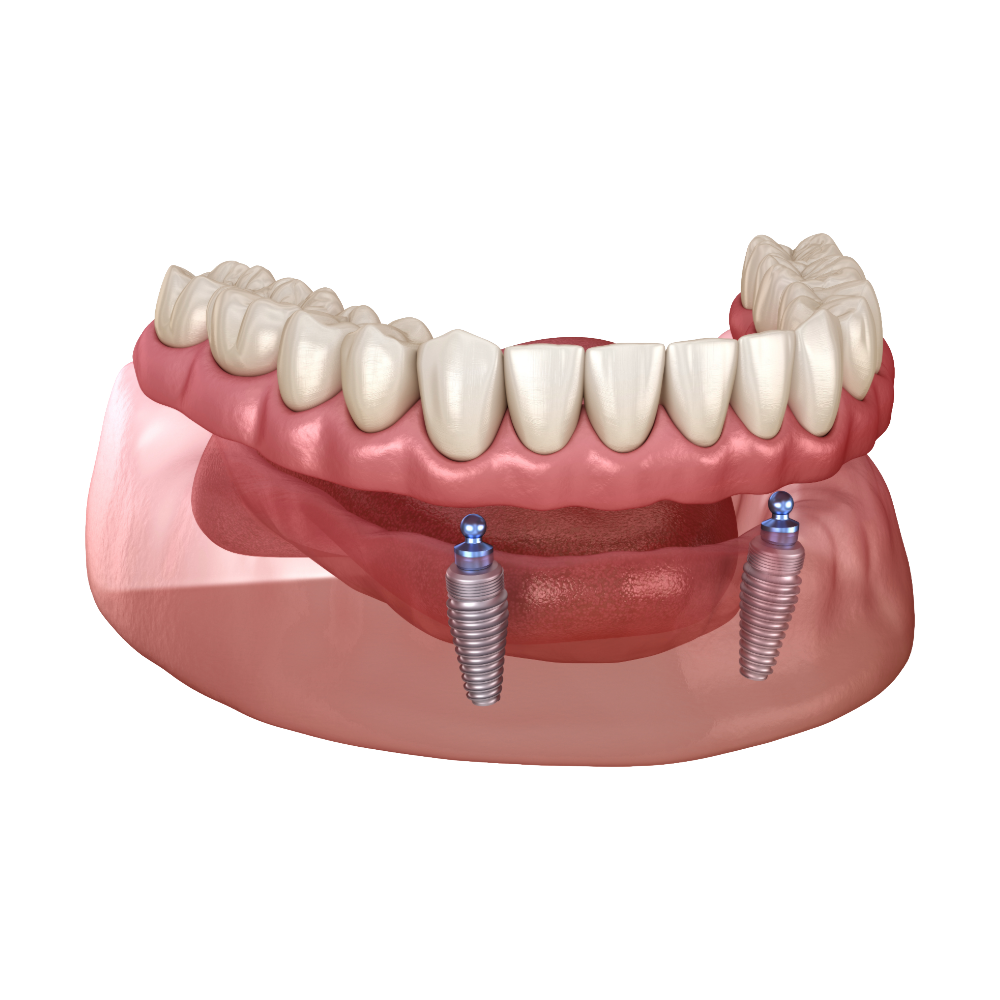
Implant-retained dentures
Learn more →
Why choose implants

Why implants are
the gold standard

No other tooth replacement option comes close to the function, feel and longevity of a dental implant.

01
Function
Feels and works like a real tooth

An implant-supported crown functions exactly like a natural tooth. You can eat, speak and smile without any restriction, awareness or discomfort.

02
Longevity
Can last a lifetime

The titanium fixture integrates with the jawbone through a process called osseointegration. Once established, the implant itself can last 20 years or more with proper care.

03
Bone preservation
Prevents bone loss

When a tooth is lost, the jawbone begins to resorb in that area within months. An implant stimulates the bone just like a natural root, preventing this deterioration.

04
Independence
No impact on adjacent teeth

A bridge requires preparing and crowning the teeth either side of the gap. An implant is entirely self-supporting and leaves neighbouring teeth completely untouched.

05
Confidence
No slipping, no adhesives

Unlike removable dentures, implants are fixed securely in place. No risk of movement, no adhesives required, no need to remove them for cleaning or overnight.

06
Appearance
Indistinguishable from natural teeth

The crown is matched precisely in shade and shape to your existing teeth. Most patients forget which tooth is the implant within a few weeks of the crown being fitted.

The process

What happens at
each stage of treatment

Implant treatment takes place across several appointments over a number of months. Here is what to expect at every stage.
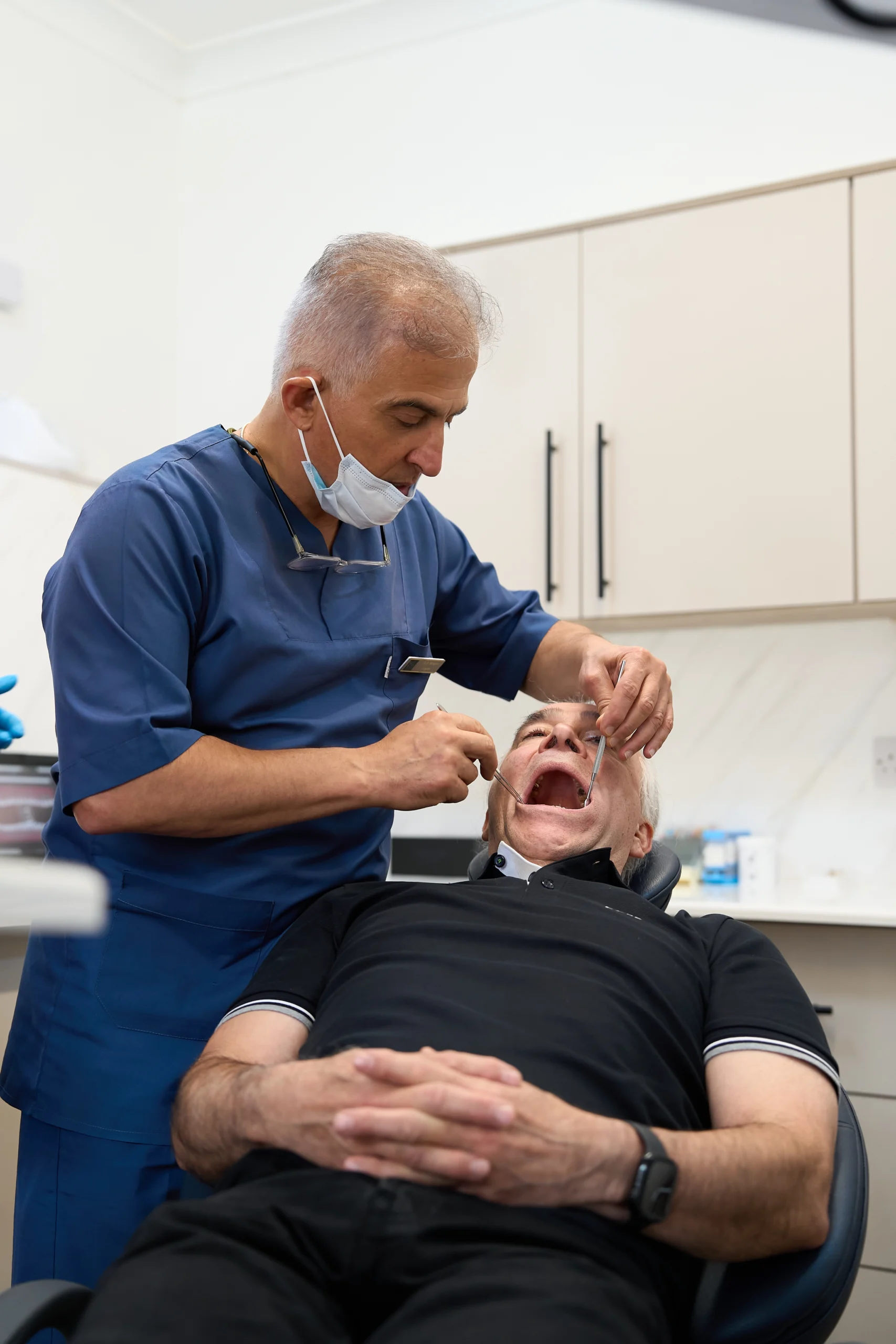
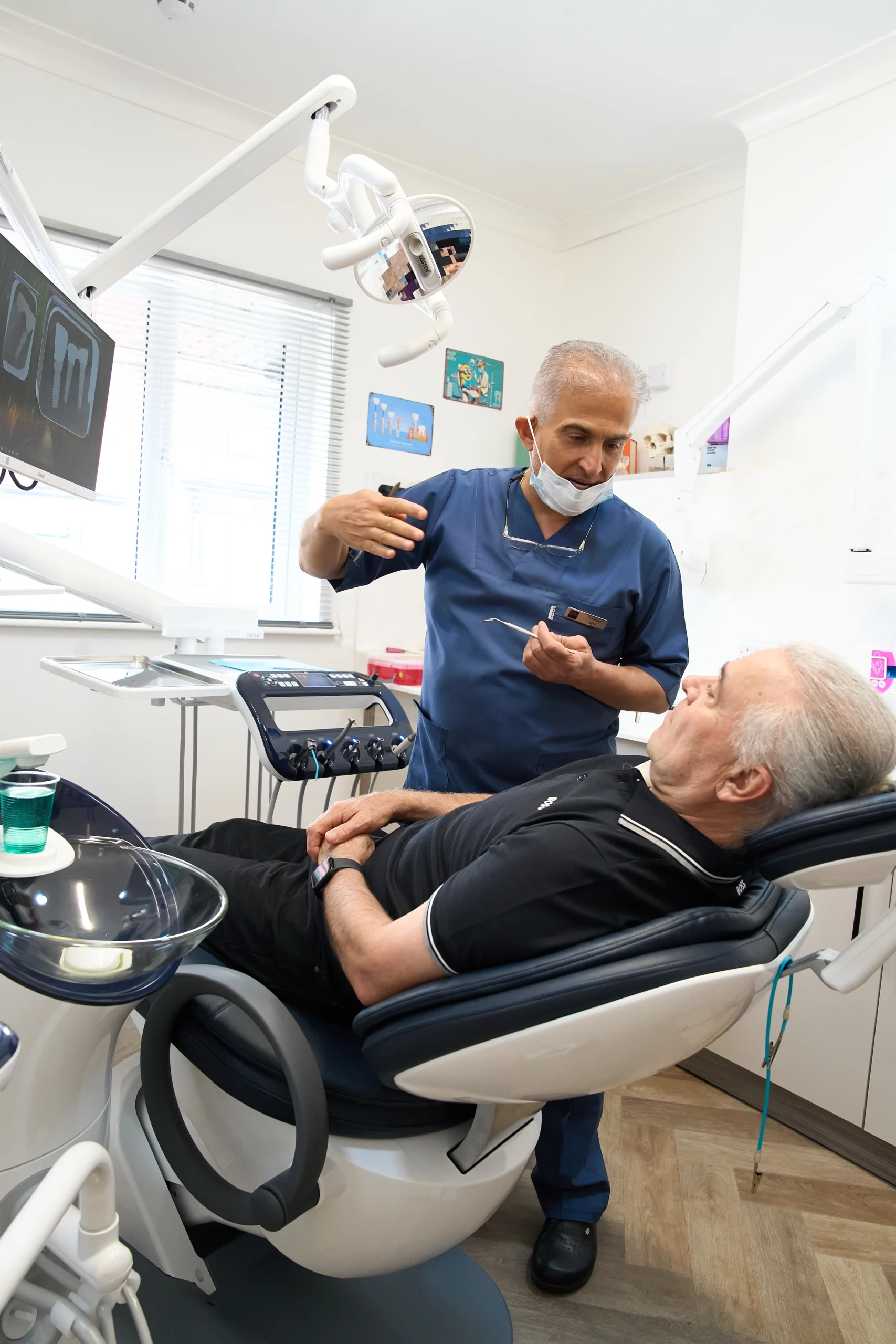
Consultation Assessment and planning Implant placement Healing Crown fitting
01 / 05
Consultation Assessment and planning Implant placement Healing Crown fitting
01 / 05
01
Consultation
Assessing your suitability

Not everyone is immediately suitable for dental implants. We carry out a thorough examination, take X-rays and assess your bone density and gum health. We discuss your goals, explain the full process and provide a detailed written treatment plan and cost breakdown. If bone grafting is needed to prepare the site, we discuss this at this stage.

02
Planning
Precision treatment planning

Using detailed scans and digital records, we plan the exact position, angle and depth of each implant before the procedure takes place. Precise planning is essential in implant dentistry and directly determines the long-term outcome. Any preparatory treatment, such as extractions or bone grafting, is completed before the implant is placed.

03
Implant placement
Placing the titanium fixture

The implant is placed under local anaesthetic in a minor surgical procedure. A small incision is made in the gum, the titanium post is inserted into the prepared site in the jawbone and the gum is closed over it. Most patients are surprised by how manageable the procedure is. A healing cap or temporary crown may be placed on the same day.

04
Osseointegration
The implant fuses with the bone

Over the following three to six months, the titanium post integrates with the surrounding jawbone in a process called osseointegration. During this period, the implant site heals and the fixture becomes a stable, lasting part of your jaw. We monitor progress during this phase and advise on care to support healing.

05
Crown fitting
Fitting your final crown

Once osseointegration is confirmed, impressions are taken and your bespoke crown is made in a dental laboratory. At your final appointment, the crown is attached to the abutment and adjusted for bite. You leave with a fully functional, natural-looking long-lasting tooth. Follow-up appointments ensure everything has settled correctly.

Aftercare

Looking after
your implant

Immediately after

Some swelling, bruising and discomfort in the days following placement is normal. Rest, a soft diet and the pain relief we prescribe will manage this effectively. Avoid smoking and alcohol during the initial healing period.

Daily hygiene

Implants require the same care as natural teeth. Brush twice daily, floss around the implant and attend hygiene appointments regularly. The crown itself cannot decay, but the surrounding gum and bone must be kept healthy.

Peri-implantitis

The most common cause of implant failure is peri-implantitis, an infection of the tissue around the implant caused by poor hygiene. Regular professional cleaning and diligent home care are the most important things you can do to protect your implant long-term.

Check-ups

We recommend six-monthly check-ups. These allow us to assess the condition of the implant, clean the margins and catch any early signs of peri-implantitis before they become a problem.

Smoking significantly increases the risk of implant failure. We discuss this honestly at the consultation stage. Where possible, we strongly recommend stopping smoking before and after the procedure.
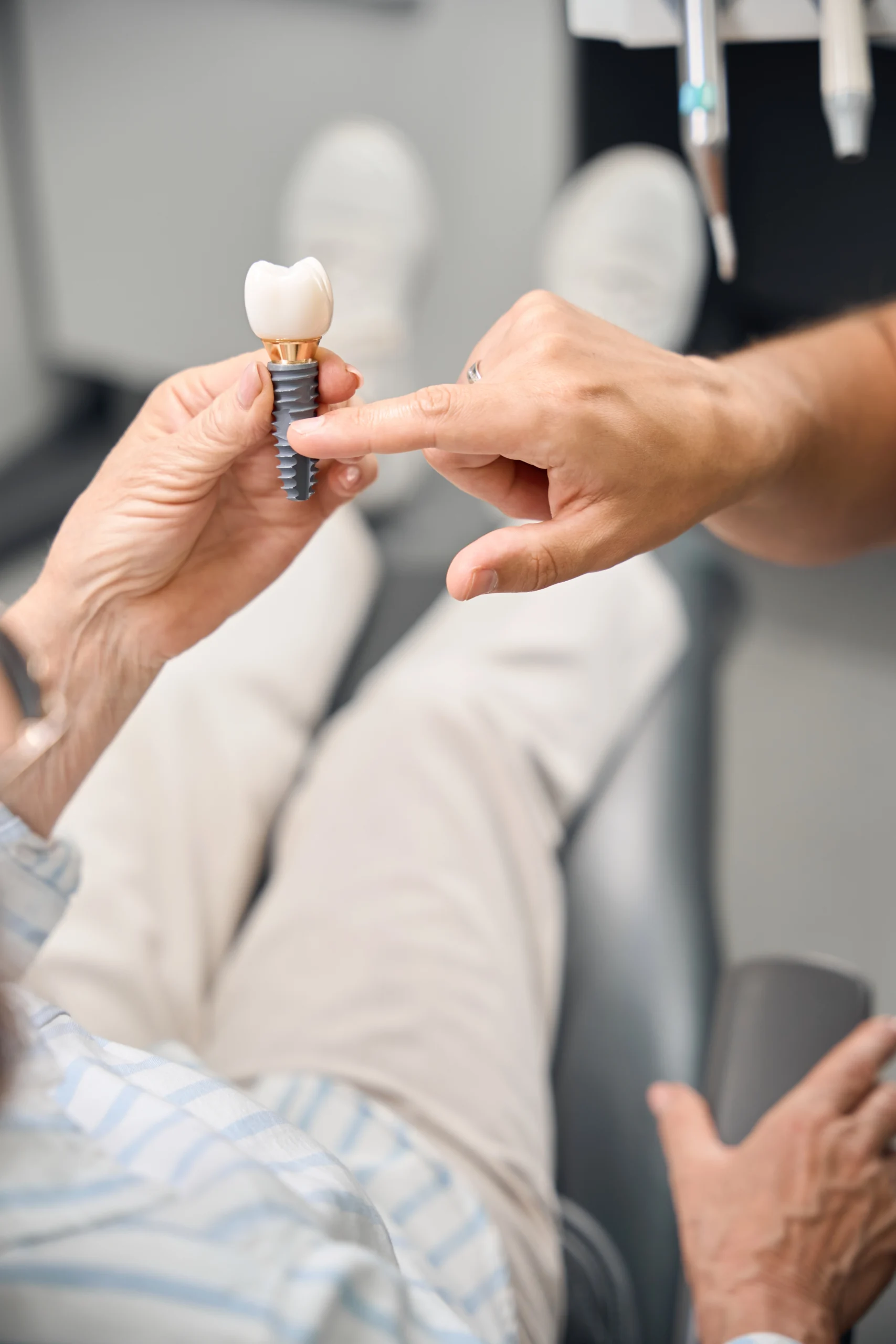
Dental implant aftercare Stourbridge
Related treatments

More implant-based solutions

For patients needing more extensive implant treatment, we offer All-on-4, All-on-6 and implant-retained dentures as dedicated treatment options.
Common questions

Dental implant FAQs

The questions we hear most often from patients considering dental implants at our private practice in Stourbridge.

01How much do dental implants cost?

The cost depends on the number of implants and the complexity of your case. We provide a full written breakdown at your consultation before you commit to anything.

02Is the implant procedure painful?

The procedure is carried out under local anaesthetic and most patients report less discomfort than they expected. Some swelling and soreness in the days after is normal and manageable.

03How long does implant treatment take?

From consultation to final crown, the process typically takes four to nine months. Most of this is healing time. The actual appointments are straightforward.

04Am I suitable for dental implants?

Most adults with good general health are suitable. Sufficient bone density is required. Smokers and patients with uncontrolled diabetes face higher risks. We assess suitability thoroughly at your consultation.

05How long do implants last?

The titanium fixture can last a lifetime if properly cared for. The crown on top may need replacing after 15 to 20 years. Regular hygiene appointments and good home care are the most important factors.

06What if I've been told I have insufficient bone?

Bone grafting can often rebuild sufficient bone to support an implant. This adds time and cost to the process but makes implants possible for patients who were initially told they were not suitable.

01 · Cost
How much do dental implants cost?

The cost of dental implants at Wollaston Dental Practice depends on the number of implants required, whether any preparatory treatment such as bone grafting is needed and the type of restoration on top. A single implant with a crown costs less than a multiple implant case. We provide a full, itemised written treatment plan at your consultation before you agree to proceed. We believe you should know exactly what you are committing to and why before any treatment begins.

Book a consultation →
02 · Comfort
Is the implant procedure painful?

Implant placement is carried out under local anaesthetic. You should feel pressure and movement during the procedure but no pain. Most patients are surprised to find the procedure considerably more manageable than they anticipated. In the days following placement, some swelling, bruising and soreness is normal and expected. We prescribe appropriate pain relief and provide detailed aftercare instructions to help you manage this period comfortably.

03 · Timeline
How long does implant treatment take?

The total treatment period from consultation to final crown fitting typically takes between four and nine months. The majority of this time is the osseointegration period, during which the implant is fusing with the jawbone and healing is taking place. The actual chairside appointments are relatively short. If bone grafting is required, the timeline extends. We give you a realistic, clear timeline at the planning stage so you know what to expect from the outset.

04 · Suitability
Am I suitable for dental implants?

Most healthy adults are suitable for dental implants. The key requirements are sufficient bone density at the implant site and healthy gum tissue. Medical conditions such as uncontrolled diabetes, bisphosphonate medication and active gum disease can affect suitability or outcomes. Smoking significantly increases the risk of implant failure. We carry out a thorough assessment at your consultation, including X-rays and bone evaluation, and advise you honestly about your suitability and any risks involved in your specific case.

05 · Longevity
How long do implants last?

The titanium implant fixture itself, once successfully integrated, can last a lifetime. The porcelain crown fitted on top is subject to normal wear and may need replacing after 15 to 20 years. The most important factors in implant longevity are good oral hygiene at home, regular professional hygiene appointments and not smoking. Peri-implantitis, an infection of the tissue around the implant, is the most common cause of premature implant failure and is almost entirely preventable with diligent care.

06 · Bone grafting
What if I've been told I have insufficient bone?

Insufficient bone is one of the most common reasons patients are told they cannot have implants. In many cases, bone grafting can rebuild enough bone to support an implant successfully. A graft involves adding bone material to the deficient area and allowing it to integrate over several months before the implant is placed. This extends the overall treatment timeline and adds to the cost, but it opens up implant treatment to patients who were initially told it was not possible. We assess bone levels carefully and discuss grafting options where relevant.

Book a consultation →
Dental implants Stourbridge

A tooth that
could last a lifetime

Titanium fixture Custom porcelain crown Private practice, Stourbridge
Scroll to Top