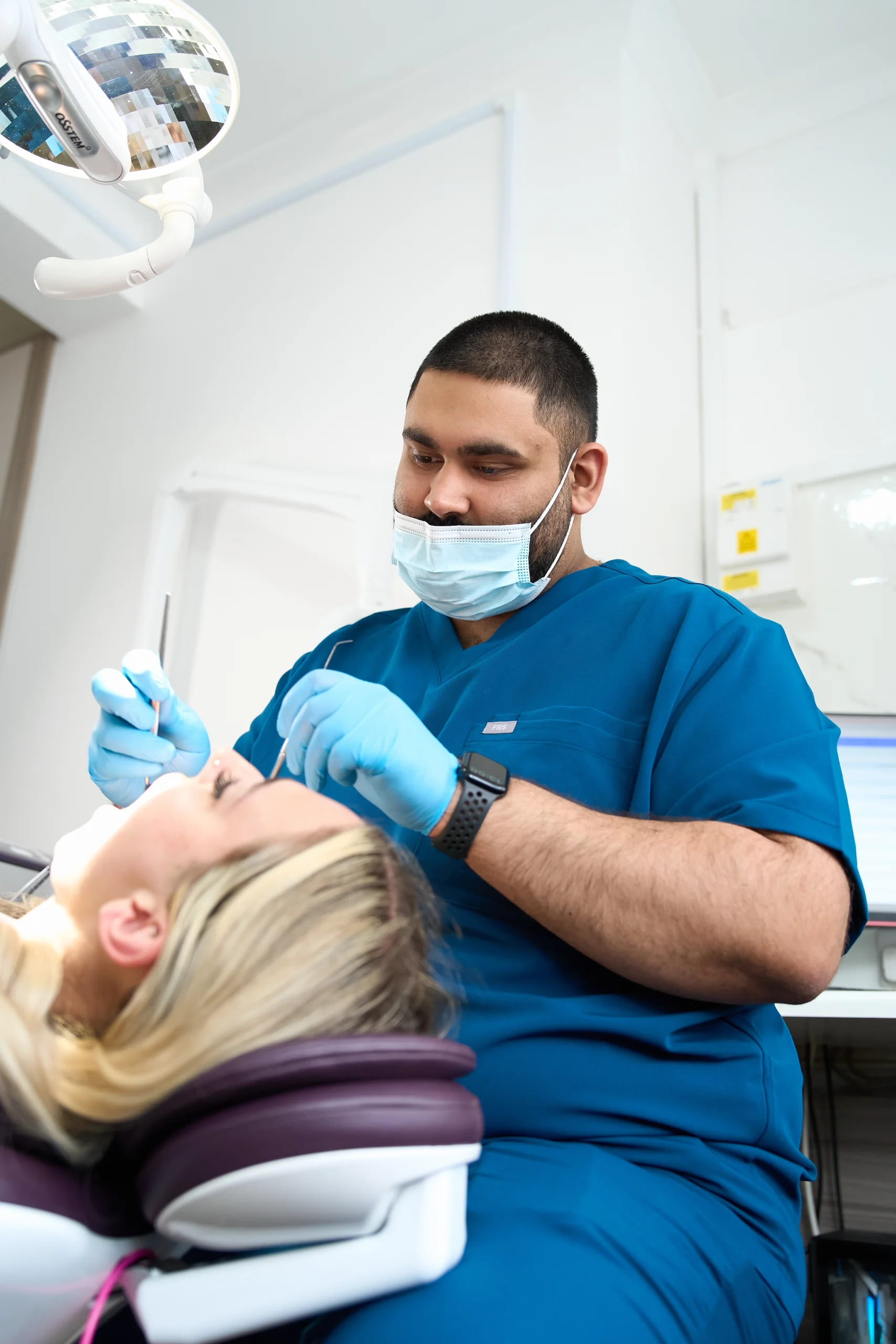


General Dentistry

Healthy smiles,
every day

From your first check-up to specialist care, we keep your smile in the best possible shape.

Urgent Dental Care

In pain? We can help today

Same-day emergency appointments for toothache, broken teeth, lost fillings and dental trauma. Call us first thing.

Emergency Dentist 01384 438 143
Cosmetic Dentistry

The smile
you'll love

Bespoke cosmetic treatments designed around you, delivering results you'll want to show off.

Transform Your Smile

Look great, feel confident

Modern cosmetic dentistry tailored to what you actually want, not a one-size-fits-all approach.

Book a Consultation
Restorative Dentistry

Your smile,
restored

Whether you're missing one tooth or many, we have a solution built around you.

Restore Your Confidence

Missing teeth? We can help

From single implants to full-arch solutions, we give you back your smile and your confidence.

Book a Consultation
Wollaston Dental Practice team
Private Dental Practice
What our patients say
★★★★★
No hard sell, just factual and informative. The service is friendly, efficient and patient focused. I am very happy with my ongoing treatment.
LD
Lesley D
Google Review

Gum Treatment in Stourbridge

Healthy gums,
healthier you

Gum disease is the leading cause of tooth loss in adults — but it is also largely preventable and treatable. We treat it at every stage, from early gingivitis to advanced periodontitis.

Book an appointment →
What our patients say
★★★★★
No hard sell, just factual and informative. The service is friendly, efficient and patient focused. I am very happy with my ongoing treatment.
LD
Lesley D
Google Review
Gum treatment, Stourbridge

Treating gum disease
at every stage

Gum disease affects more adults than any other dental condition, and most people do not realise they have it until it has progressed. We assess, diagnose and treat gum disease thoroughly, whatever stage you are at, and give you the tools to keep it from returning.

Full assessment first
We measure gum pocket depths, check for bone loss and identify the extent of the disease
Tailored treatment plan
Treatment is matched to the severity of your condition — no one-size-fits-all approach
Technique and education
We show you exactly how to maintain your gums at home so the results last
Linked to your overall health
Gum disease is connected to heart disease, diabetes and other systemic conditions — treating it matters beyond your mouth
Gum treatment Stourbridge
Understanding gum disease

The stages of
gum disease

Gum disease progresses silently. Understanding each stage helps you recognise the signs and seek treatment before permanent damage occurs.

01
Stage 1
Healthy gums

Healthy gums are firm, pink and fit snugly around each tooth. They do not bleed when brushed or flossed. This is what we are always working towards, and maintaining.

02
Stage 2
Gingivitis

The earliest and fully reversible stage. Gums become red, swollen and bleed easily. Caused by plaque build-up at the gumline. Treated with a professional clean and improved oral hygiene.

03
Stage 3
Early periodontitis

Infection spreads below the gumline. Pockets form between teeth and gums. Some early bone loss begins. Requires deep cleaning and close monitoring, still very treatable at this stage.

04
Stage 4
Moderate periodontitis

Pockets deepen, more bone and tissue are lost. Teeth may become sensitive or appear longer as gums recede. Professional treatment is essential to stop further progression.

05
Stage 5
Advanced periodontitis

Severe bone and tissue destruction. Teeth become loose, shift or may be lost. Can affect eating and speaking. Intensive treatment and ongoing maintenance are required.

06
Implants
Peri-implantitis

Gum disease that develops around dental implants. Causes bone loss around the implant and, if untreated, implant failure. Regular maintenance is essential for implant patients.

Your treatment

What gum treatment
involves

Gum treatment varies depending on the severity of your condition. Here is what to expect from assessment through to your ongoing care plan.
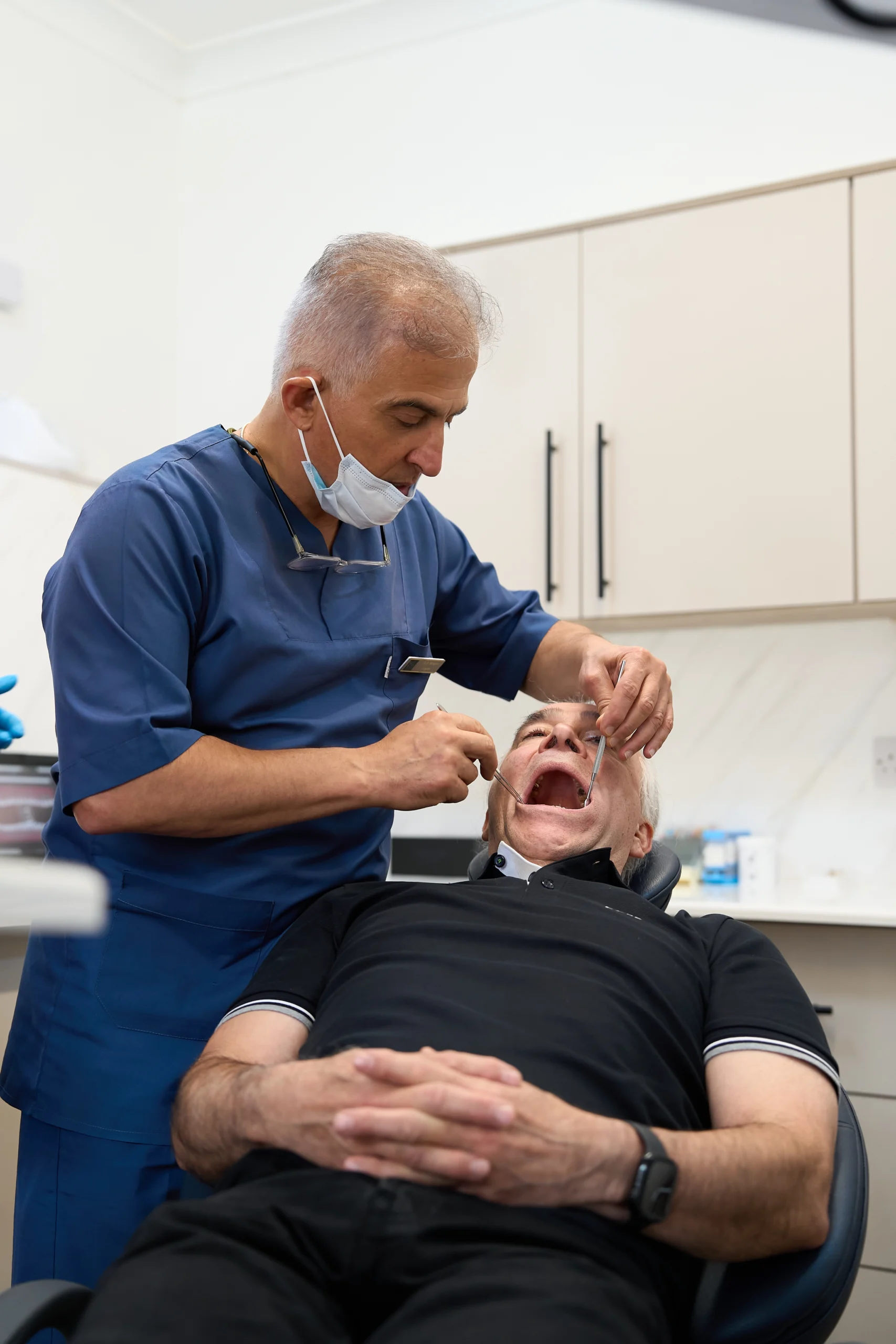
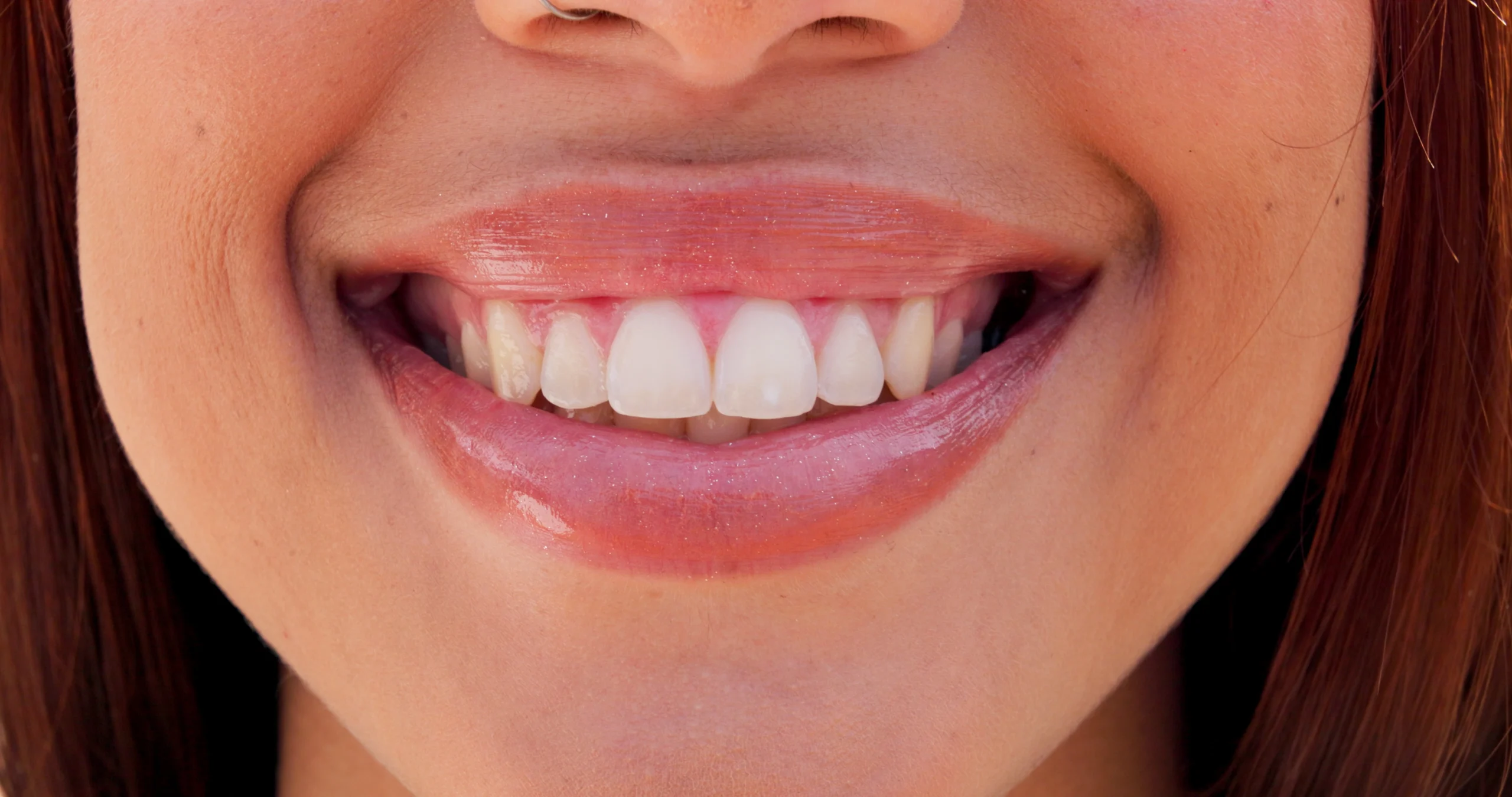
Assessment Scale and polish Root planing Review
01 / 04
Assessment Scale and polish Root planing Review
01 / 04
01
Assessment
A thorough gum assessment

We measure the depth of the pockets around each tooth using a small probe, check for signs of bone loss on X-rays and assess the overall health of your gums. We explain exactly what we find and which stage of gum disease you are at, if any, before discussing the best treatment approach.

02
Scale and polish
Removing tartar and plaque

For early-stage gum disease, a professional scale and polish removes the hardened tartar build-up above and just below the gumline that brushing alone cannot shift. We also advise on the most effective brushing and interdental cleaning technique for your specific situation.

03
Root planing
Deep cleaning below the gumline

For more advanced periodontitis, root planing cleans the root surfaces deep within the pockets, removing bacterial deposits and smoothing the root so the gum can reattach. Local anaesthetic is used to keep you comfortable. This is the most effective non-surgical treatment for moderate to severe gum disease.

04
Review and maintenance
Monitoring and ongoing care

After treatment, we review your gums to assess the response and measure whether pocket depths have reduced. Gum disease requires ongoing maintenance — we create a personalised recall schedule to monitor your gums and reinforce your home care routine so you can keep the condition under control long term.

Aftercare advice

Keeping your gums
healthy at home

Brushing

Use a soft-bristled brush at a 45-degree angle to the gumline, twice a day. Electric toothbrushes are particularly effective. Never scrub , gentle circular or back-and-forth motions are all that is needed.

Interdental cleaning

Brushing alone only cleans around 60% of tooth surfaces. Interdental brushes or floss remove plaque from between the teeth , this is where gum disease most commonly starts.

Diet and lifestyle

Reduce sugary foods and drinks, which feed the bacteria that cause gum disease. Smoking significantly increases risk and slows healing. Stopping smoking is one of the most impactful things you can do for your gum health.

What to expect

Some tenderness and bleeding may continue for a week or two after treatment before improving. If bleeding persists or worsens beyond this, contact us. With good home care, most patients see significant improvement within four to six weeks.

When to call us: Increasing pain, significant swelling, or bleeding that does not improve after two weeks should be reported to us promptly.

Gum treatment aftercare Stourbridge
Keep it up

Why professional hygiene
is essential

Even with perfect home care, tartar builds up in places only professional instruments can reach. Regular hygiene visits are not optional for gum disease patients , they are part of the treatment.

Common questions

Gum treatment FAQs

Everything you need to know about treating gum disease at Wollaston Dental Practice.

01Is gum disease curable?

Early-stage gum disease (gingivitis) is completely reversible with professional treatment and good home care. More advanced periodontitis cannot be cured, but it can be controlled and stabilised effectively.

02Does gum treatment hurt?

A scale and polish is generally comfortable. Root planing for deeper pockets is carried out under local anaesthetic so you feel no pain. Some tenderness in the days after is normal.

03How do I know if I have gum disease?

Common signs include bleeding when brushing, red or swollen gums, bad breath, receding gums and sensitivity. However, it can also progress silently, regular check-ups are essential.

04Can gum disease cause tooth loss?

Yes — it is the most common cause of tooth loss in adults. The bacteria destroy the bone and tissue supporting the teeth. Treating it early prevents this from happening.

05How often should I have hygiene visits?

For patients with a history of gum disease, we typically recommend hygiene visits every three to four months rather than every six. We tailor the schedule to your individual needs.

View hygiene →
06Is gum disease linked to other health conditions?

Yes. Research links gum disease to an increased risk of heart disease, stroke, diabetes complications and adverse pregnancy outcomes. Treating your gums is good for your whole body.

01 · Curability
Is gum disease curable?

Early-stage gum disease (gingivitis) is completely reversible with professional treatment and improved home care. More advanced periodontitis cannot be fully cured — the bone and tissue lost does not regenerate. However, it can be very effectively controlled and stabilised, preventing further damage and keeping your remaining teeth healthy for life.

02 · Comfort
Does gum treatment hurt?

A routine scale and polish is generally comfortable and requires no anaesthetic. For root planing, which involves cleaning deeper below the gumline, we use a local anaesthetic so you feel no pain during the procedure. Some sensitivity and tenderness in the days afterwards is completely normal and usually settles within a week or two.

03 · Symptoms
How do I know if I have gum disease?

The most common signs are bleeding when you brush or floss, red or puffy gums, persistent bad breath, receding gums, sensitivity or loose teeth. However, gum disease can also progress without obvious symptoms — which is why regular dental check-ups are so important for catching it early.

04 · Tooth loss
Can gum disease cause tooth loss?

Yes — gum disease is the most common cause of tooth loss in adults in the UK. As the infection progresses, it destroys the bone and connective tissue that hold teeth in place. Caught and treated early, this can be prevented entirely. That is why we take gum health very seriously at every check-up.

05 · Hygiene visits
How often should I have hygiene visits?

For patients who have had gum disease, we typically recommend hygiene appointments every three to four months rather than the standard six-monthly recall. This more frequent schedule allows us to monitor your gum health closely, reinforce home care and remove tartar before it causes further problems. We personalise this to your specific situation.

View dental hygiene →
06 · Systemic health
Is gum disease linked to other health conditions?

Yes. There is strong evidence linking gum disease to an increased risk of cardiovascular disease, stroke, poorly controlled diabetes, respiratory conditions and adverse pregnancy outcomes including premature birth. The inflammation and bacteria involved in gum disease can affect the whole body. Treating your gums is one of the most important things you can do for your general health.

Gum treatment Stourbridge

Healthier gums
start today

All stages treated Thorough, gentle care Private practice, no waiting lists
Scroll to Top