Tooth Extraction in Stourbridge
Gentle when
it's needed most
Sometimes a tooth cannot be saved. When extraction is the right option, we make sure the process is as comfortable and stress-free as possible.
Book an appointment →Comfortable, calm
and pain-free
Extracting a tooth is always a last resort. We will always explore every possible option to save the tooth first. When removal is the right decision, we make sure the process is as comfortable, calm and pain-free as possible.
If you are in severe pain or have swelling spreading to your jaw or neck, call us as soon as possible.
Reasons you might
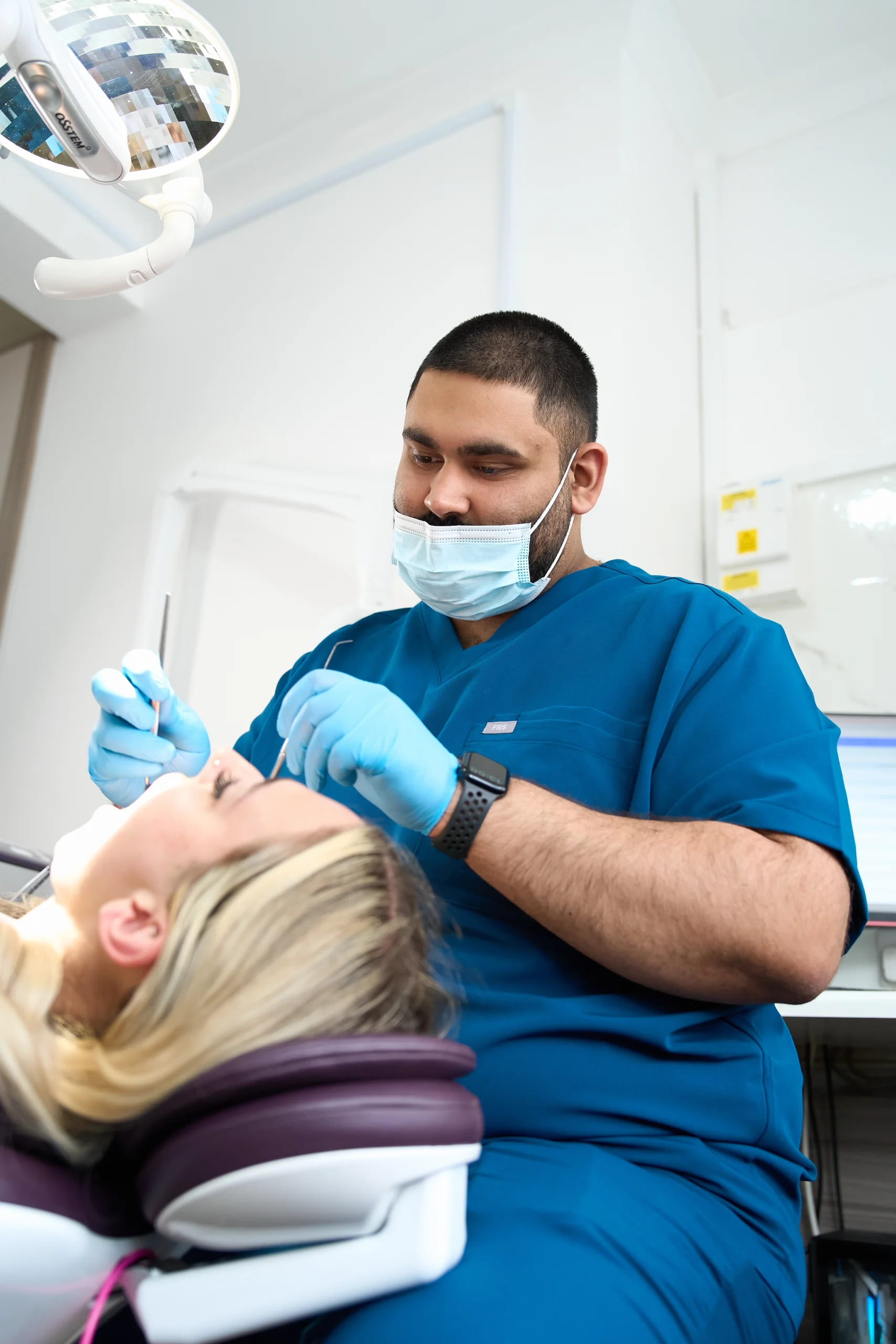
need a tooth removed
We always explore every option to save a tooth first. These are the most common situations where extraction becomes the right decision.
When a tooth is too extensively damaged by decay to be restored with a filling or crown, removal may be the only way to prevent further infection spreading to surrounding teeth.
When an abscess has caused irreversible damage to the tooth and root canal treatment is not viable, extraction removes the source of infection and allows healing to begin.
Wisdom teeth that are partially or fully impacted can cause persistent pain, recurring infection and damage to neighbouring teeth. Removal is often the most effective long-term solution.
Before orthodontic treatment, one or more teeth may need to be removed to create the space required to straighten the remaining teeth properly and achieve a stable result.
Severe gum disease can destroy the bone and tissue supporting a tooth, leaving it loose and unable to function. Extraction may be necessary to protect the health of surrounding teeth.
A fracture that extends below the gum line or into the root cannot always be repaired. When a tooth is too compromised to restore, removal and replacement is often the best outcome.
Not sure if you need an extraction? Book a consultation and we will assess your tooth and talk through all your options.
What happens
during your extraction
We take every step to make sure you feel calm, informed and completely comfortable. Here is what to expect from the moment you arrive to the moment you leave.
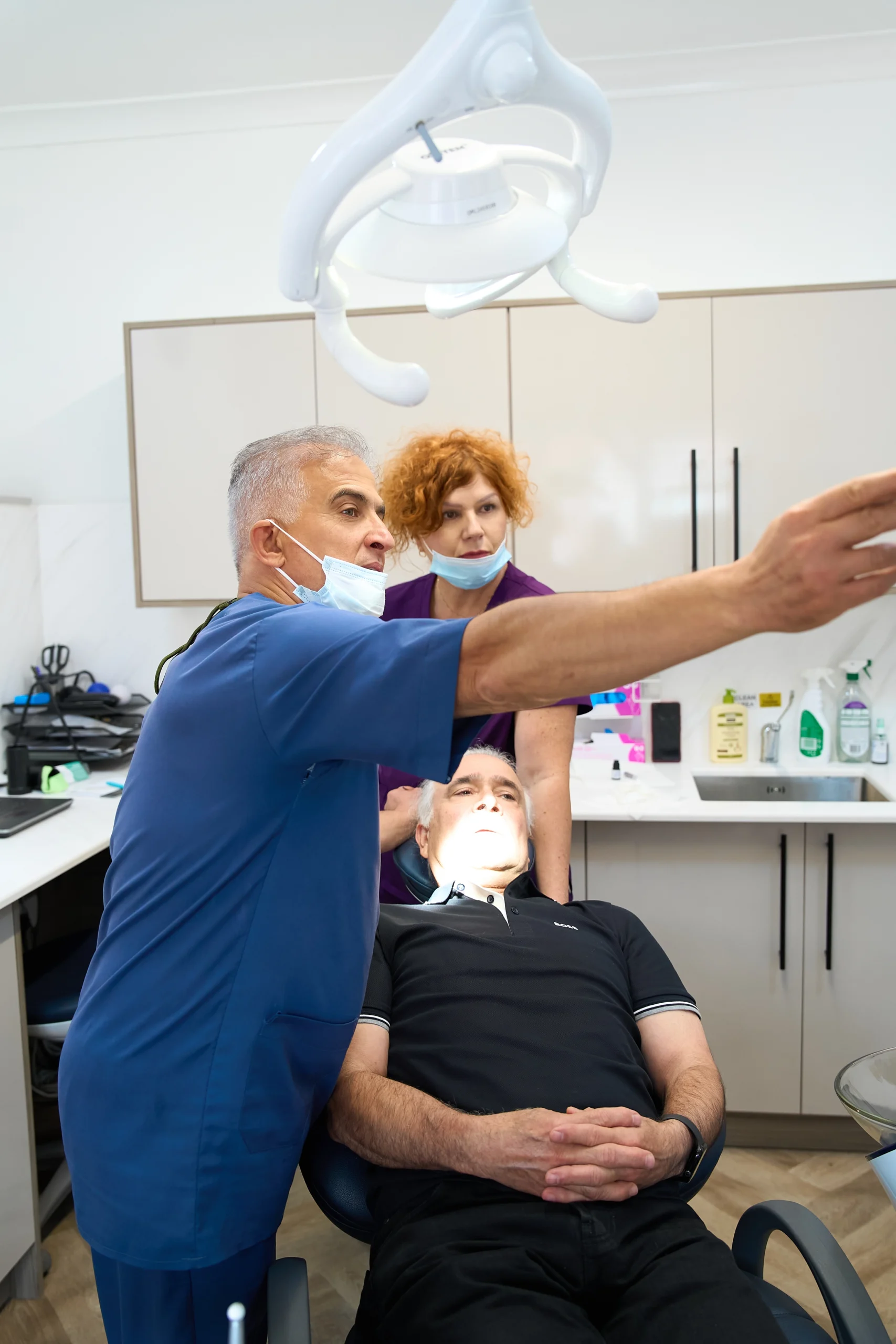
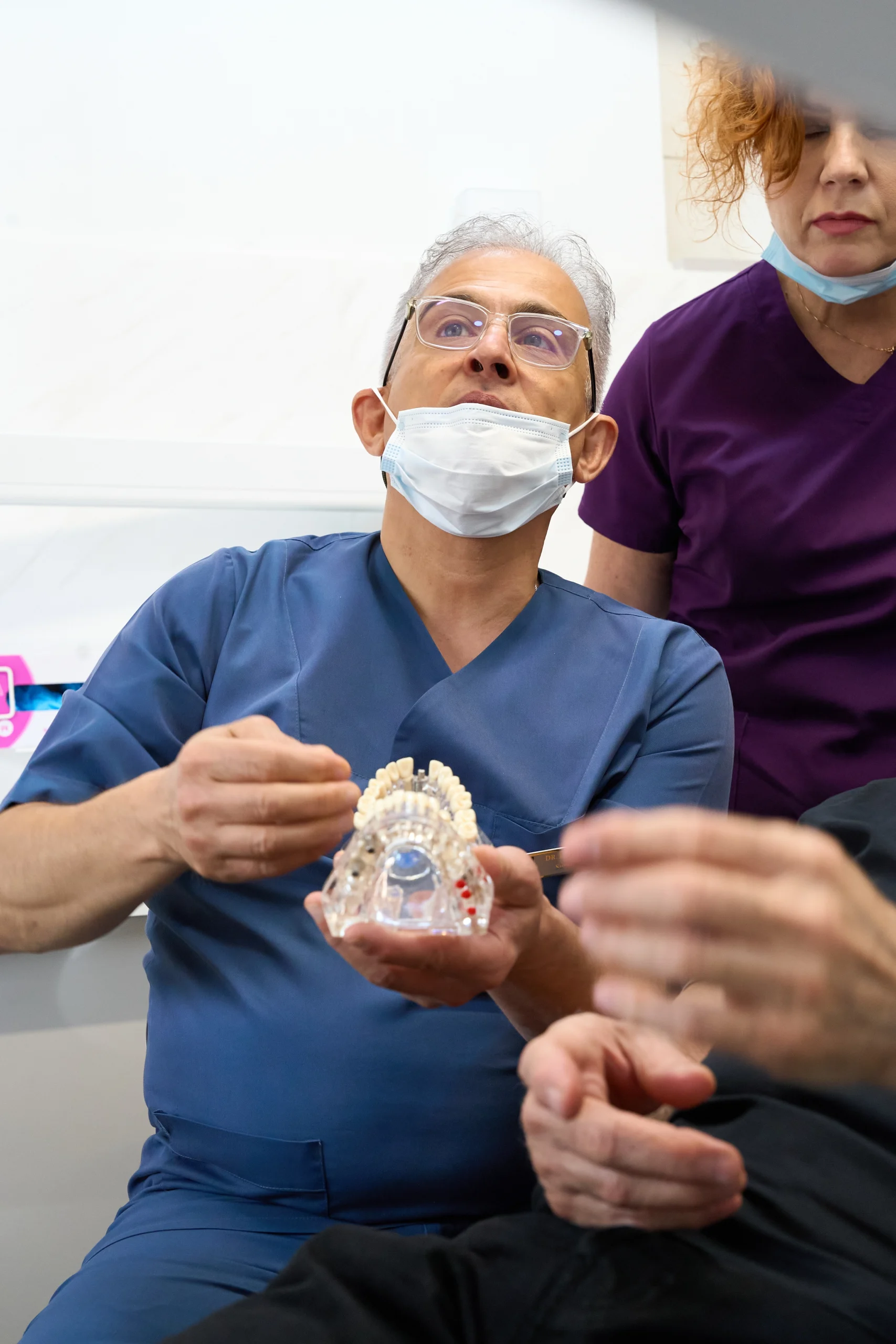
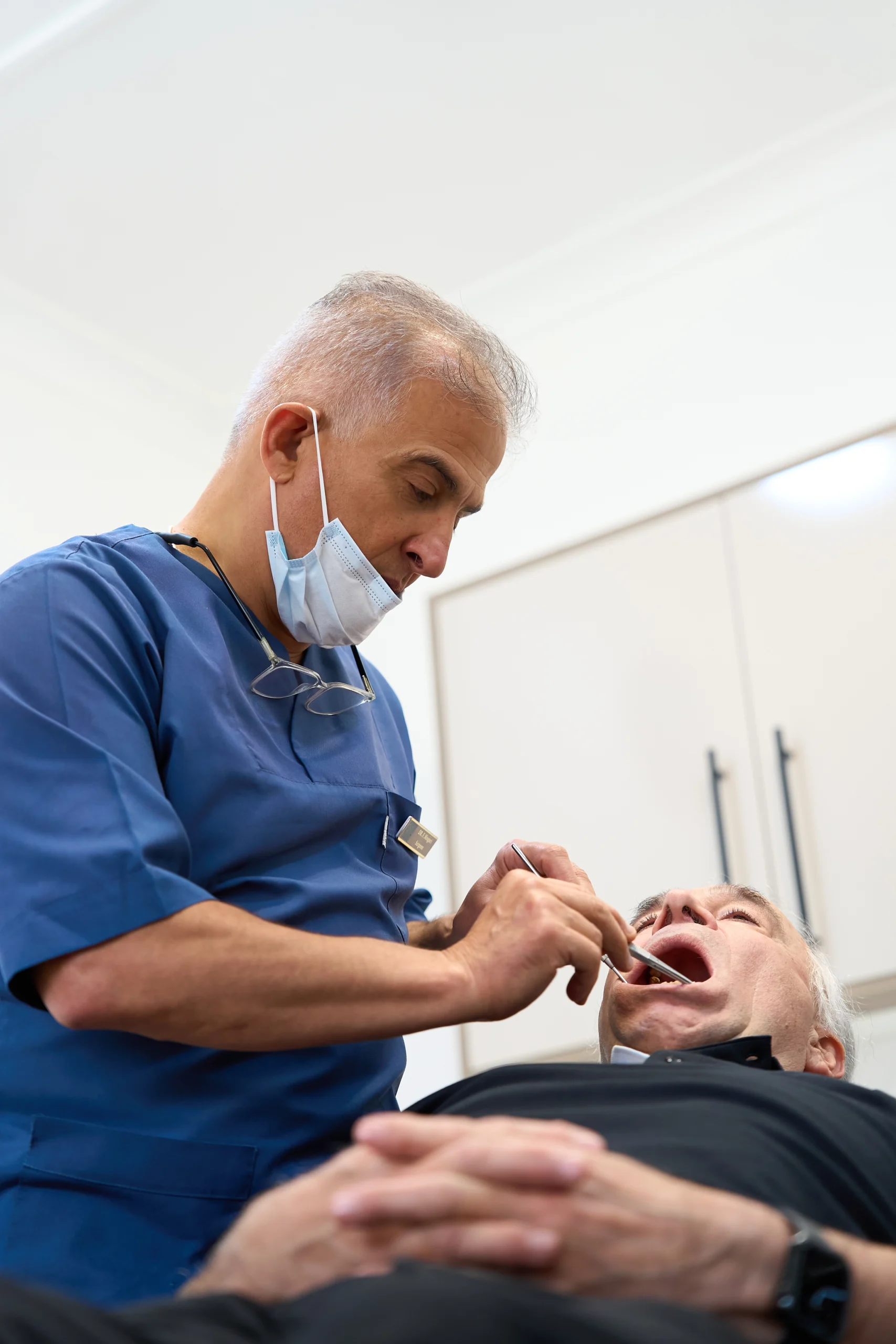
Before anything is decided, your dentist will examine the tooth, take an X-ray if needed and explain exactly what they find. We always consider every alternative to extraction first. If removal is the right decision, we will explain why clearly and answer all your questions.
We apply a thorough local anaesthetic and give it time to work properly before we start. You should feel pressure but no pain. If at any point you are uncomfortable, raise your hand and we will stop immediately. We never rush this step.
The tooth is carefully loosened and removed. Most patients are surprised by how quick and pressure-free the procedure is. Our dentists are experienced in handling both straightforward and more complex extractions, including impacted wisdom teeth.
Before you leave, we will give you full written aftercare instructions covering diet, cleaning, pain management and what to look out for. We are always available if you have concerns during your recovery, and we will follow up to make sure you are healing well.
Looking after yourself
after your extraction
Bite firmly on the gauze pad we provide for 30 to 45 minutes. Some light bleeding or oozing is normal for the first few hours. Do not rinse, spit or poke the socket.
Apply an ice pack to your cheek for 10 minutes on, 10 minutes off during the first 24 hours. Some swelling and bruising is completely normal and should ease within a few days.
Take ibuprofen or paracetamol as directed. Discomfort is usually at its peak in the first 24 to 48 hours and then eases steadily. If pain worsens after three days, contact us.
Stick to soft foods and avoid hot drinks for the rest of the day. Do not use a straw, as the suction can dislodge the blood clot and delay healing. Avoid alcohol and smoking.
When to call us: If you experience severe pain after three days, heavy bleeding that will not stop, or signs of infection such as fever or bad taste, contact us straight away.

Think about filling the gap
Leaving a gap can lead to bone loss, shifting teeth and bite problems over time. We recommend discussing replacement options sooner rather than later.
Tooth extraction FAQs
Answers to the questions we hear most often about tooth extractions at Wollaston Dental Practice.
No. We apply a thorough local anaesthetic and wait until you are fully numb before starting. You will feel pressure but no pain. If at any point you are uncomfortable, raise your hand and we will stop.
Most people feel back to normal within a few days. The socket takes around two weeks to close over, and full healing of the bone can take several months. Following our aftercare advice makes a significant difference.
Yes, but stick to soft foods for the first few days. Avoid hot drinks, hard or crunchy foods and do not use a straw — the suction can dislodge the blood clot and cause dry socket.
Dry socket happens when the blood clot that protects the socket is lost too early, exposing the bone. Avoid smoking, straws, vigorous rinsing and alcohol for at least 24 hours after your extraction.
In most cases, yes. Leaving a gap can cause bone loss, shifting teeth and bite changes over time. We can discuss implants, bridges or dentures at your appointment.
View replacement options →Yes, if you only had a local anaesthetic. However, if you feel drowsy or are taking strong pain medication, please arrange for someone to collect you. We will always advise you before you leave.
No. Before we begin, we apply a thorough local anaesthetic and give it time to work fully. You will feel some pressure during the extraction but no pain. If at any point you feel uncomfortable, simply raise your hand and we will stop immediately. We never rush this step.
Most people feel comfortable again within two to three days. The socket will close over within approximately two weeks, while full bone healing can take several months. Following our aftercare instructions carefully makes a significant difference to how quickly and smoothly you recover.
Yes, but we recommend soft foods for the first few days — things like yoghurt, soup, mashed potato and scrambled eggs. Avoid anything hot, hard or crunchy. Do not use a straw, as the suction can dislodge the protective blood clot and lead to dry socket.
Dry socket occurs when the blood clot protecting the extraction site is dislodged before the socket has healed, exposing the underlying bone and nerves. It causes significant pain, usually starting two to four days after the extraction. To avoid it, do not smoke, use a straw, rinse vigorously or drink alcohol for at least 24 hours after your procedure.
In most cases, yes. Leaving a gap can lead to bone loss in the jaw, neighbouring teeth drifting into the space and changes to your bite. We recommend discussing your replacement options sooner rather than later. Implants, bridges and dentures are all available at our practice.
View replacement options →Yes, if you have only had a local anaesthetic and feel well enough to do so. However, if you are taking strong pain medication, feel drowsy or anxious, we recommend arranging for someone to collect you. We will always check how you are feeling before you leave and advise you accordingly.

