

Dentures in Stourbridge
Natural-looking dentures,
fitted properly
Custom-fitted partial and full dentures that look natural, feel comfortable and are made to last. Designed around your mouth, not a standard template.
Book an appointment →Custom-fitted,
not off the shelf
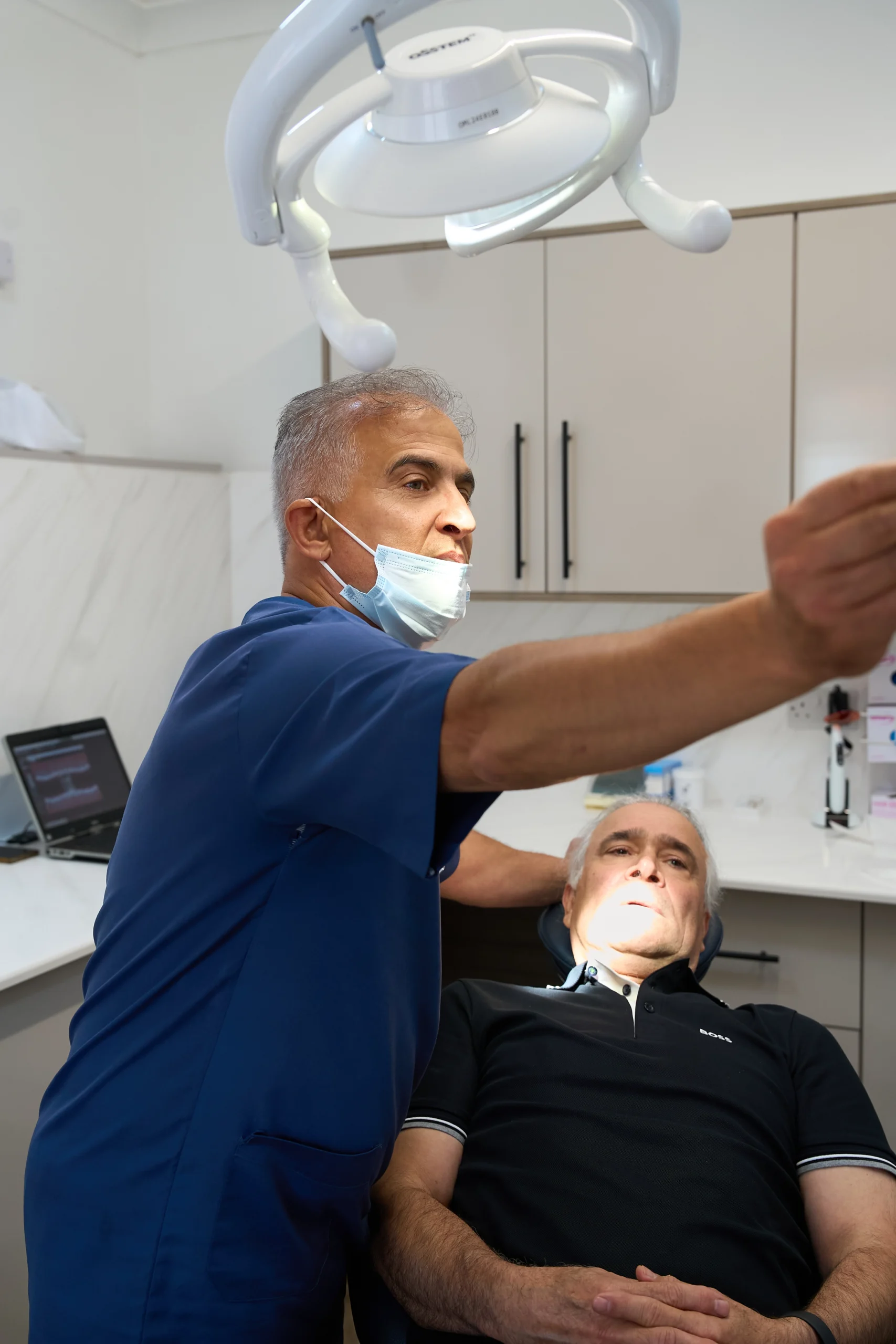
A well-made denture should look natural, feel comfortable and stay securely in place. At Wollaston Dental Practice, every denture is custom-made from impressions of your mouth, designed to fit your jaw precisely and matched carefully to the appearance of your natural teeth.
Want a denture that never moves? Implant-retained dentures may be worth considering.

Types of denture
we provide
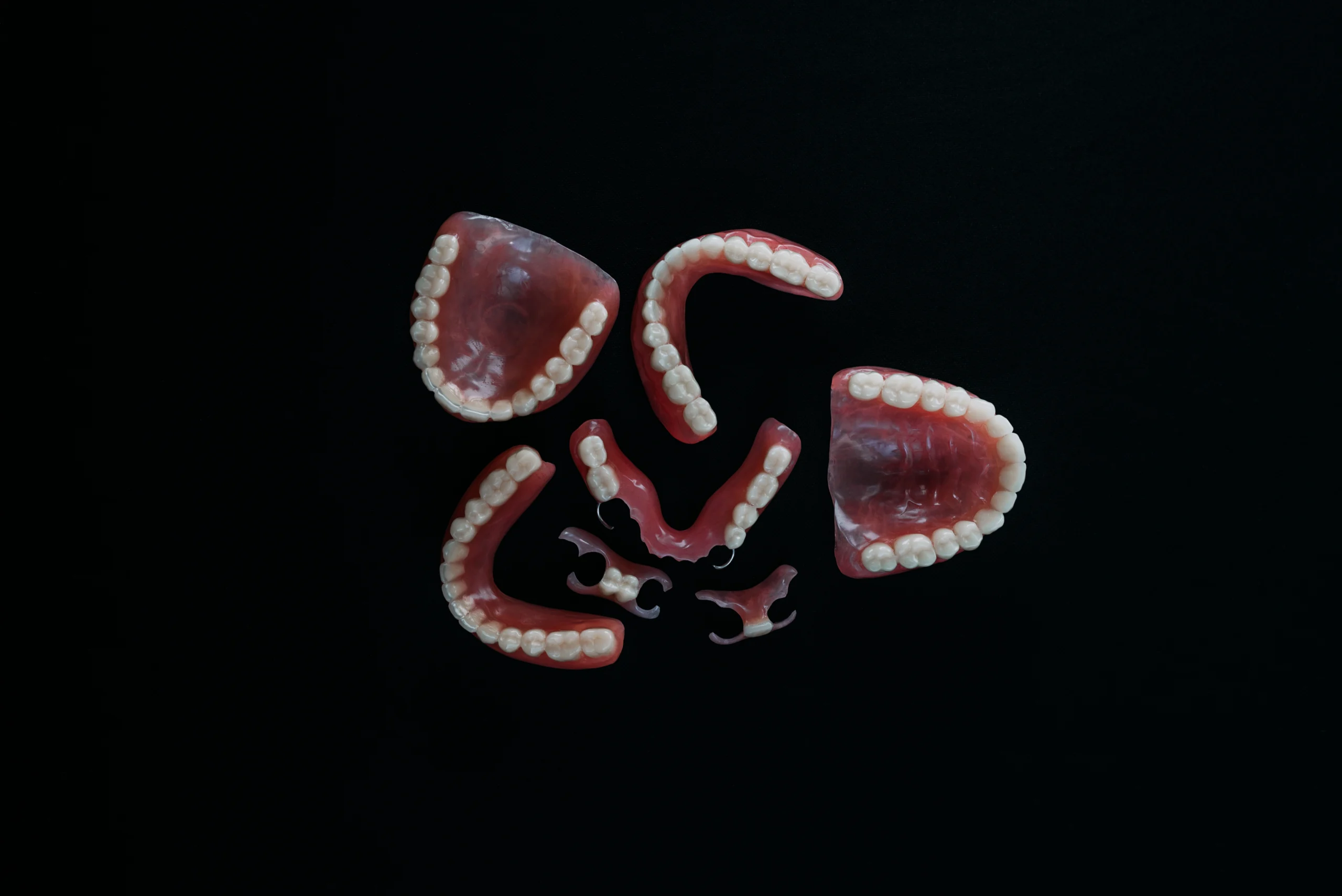
We offer both full and partial dentures in acrylic and metal-based options. The right choice depends on how many teeth need replacing and your personal preference.
Book a consultation
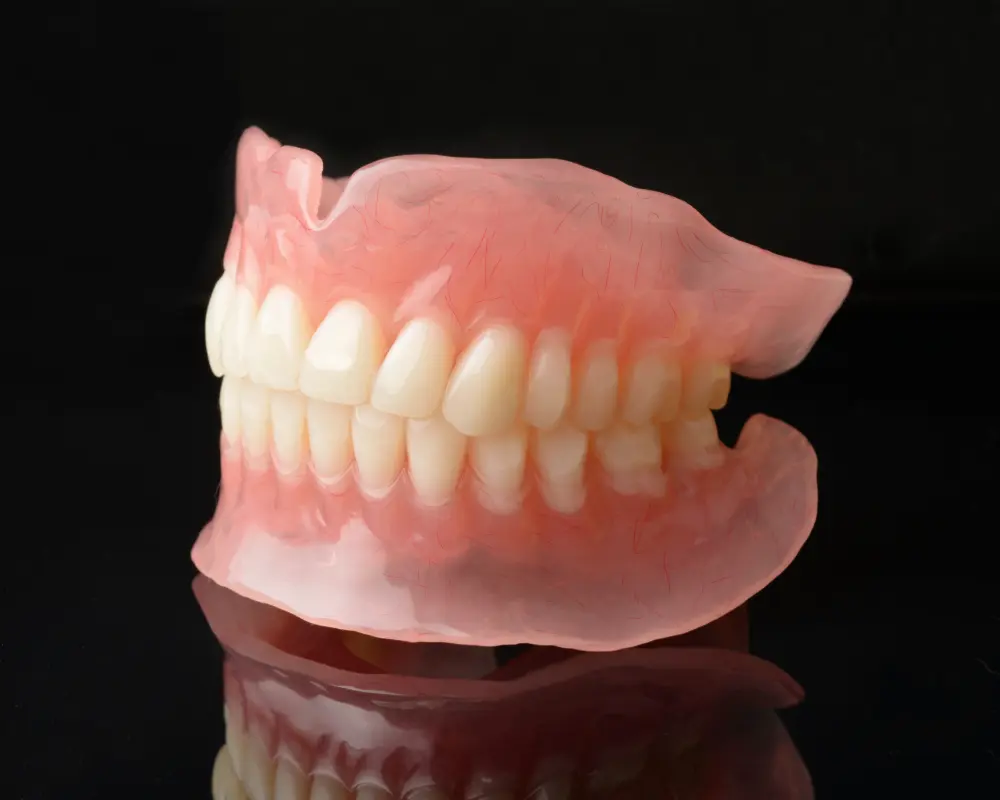
A complete replacement for all upper or lower teeth. Acrylic is the traditional material, cost-effective and straightforward to adjust or repair.
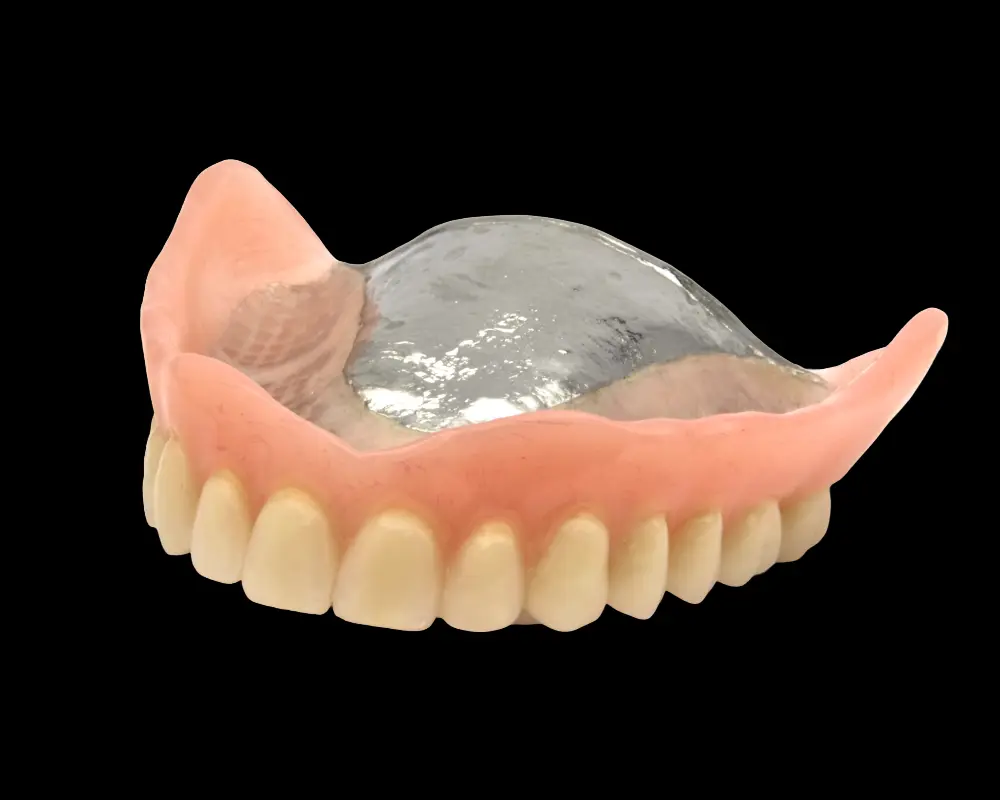
A cobalt-chrome metal base makes this denture thinner, stronger and more comfortable than acrylic. Less bulk against the palate means a more natural feel.
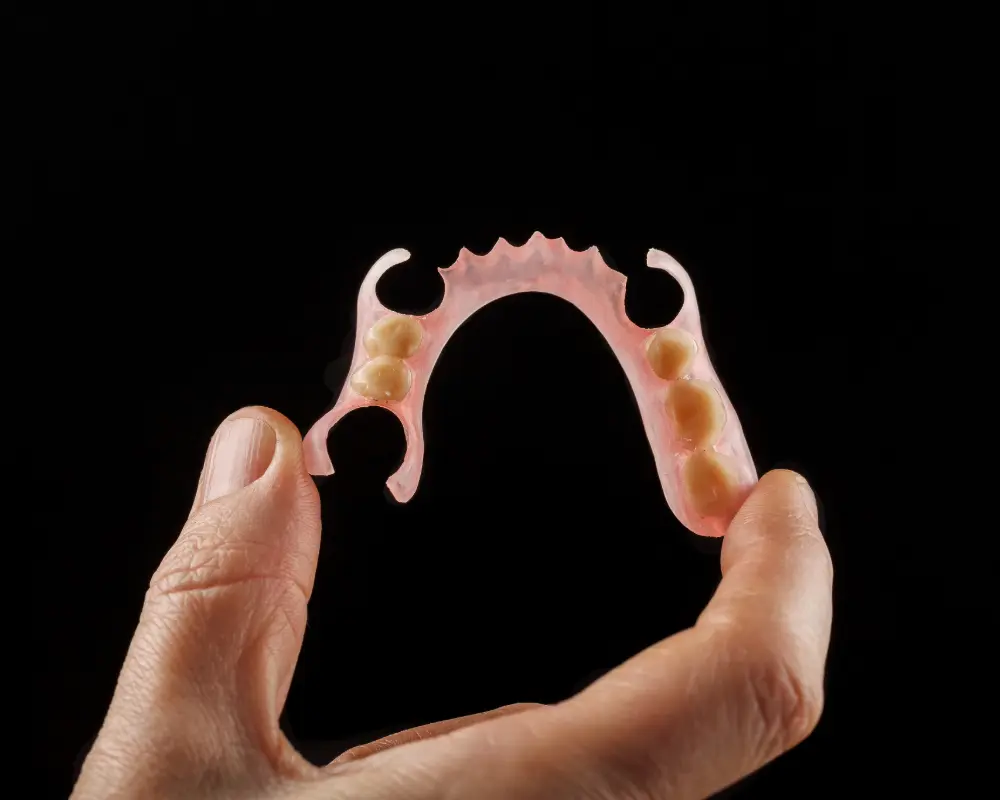
Fills the gaps left by missing teeth while your remaining natural teeth are still present. Clasps onto existing teeth for retention. A flexible, affordable option.
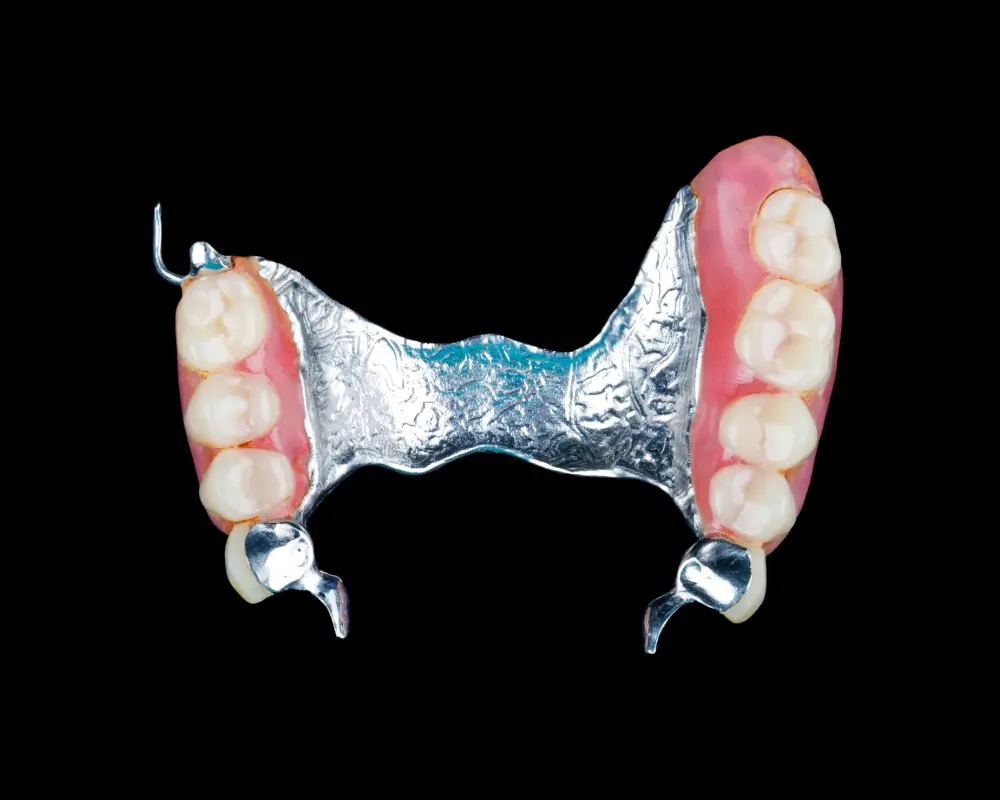
A cobalt-chrome framework supports the denture, making it more precise-fitting, more durable and considerably less bulky than an acrylic partial. The preferred option where possible.
What a well-made
denture should give you
A properly fitted denture from a private practice is a very different experience from an ill-fitting one.
A well-fitted denture allows you to eat a far wider range of foods than a loose or poorly made one. Chewing efficiency improves significantly when the denture stays stable and contacts correctly.
Tooth shade, shape and gum colour are all carefully selected. A good denture should not look like a denture. We take the time to get the aesthetics right, including a wax trial before anything is finalised.
Teeth provide structural support for the lips and cheeks. A denture that replaces missing teeth helps maintain the natural contours of your face and prevents the sunken appearance that can develop after tooth loss.
Missing teeth affect how certain sounds are formed. A properly fitted denture restores the surfaces your tongue uses to produce speech, helping you speak more clearly and with greater confidence in conversation.
Dentures are a non-surgical option for replacing missing teeth. For patients who are not suitable for implants due to health, bone levels or personal preference, a well-made denture remains an excellent solution.
For patients who may want implants in future, a denture can serve as an interim solution while plans are made. In some cases, your existing denture can later be adapted for implant retention, reducing cost.
Want more stability? Implant-retained dentures offer the same removable convenience with significantly better retention. We can discuss whether you are a candidate at your consultation.
What to expect
from your treatment
Getting a denture involves several appointments over a few weeks. Here is what happens at each stage.


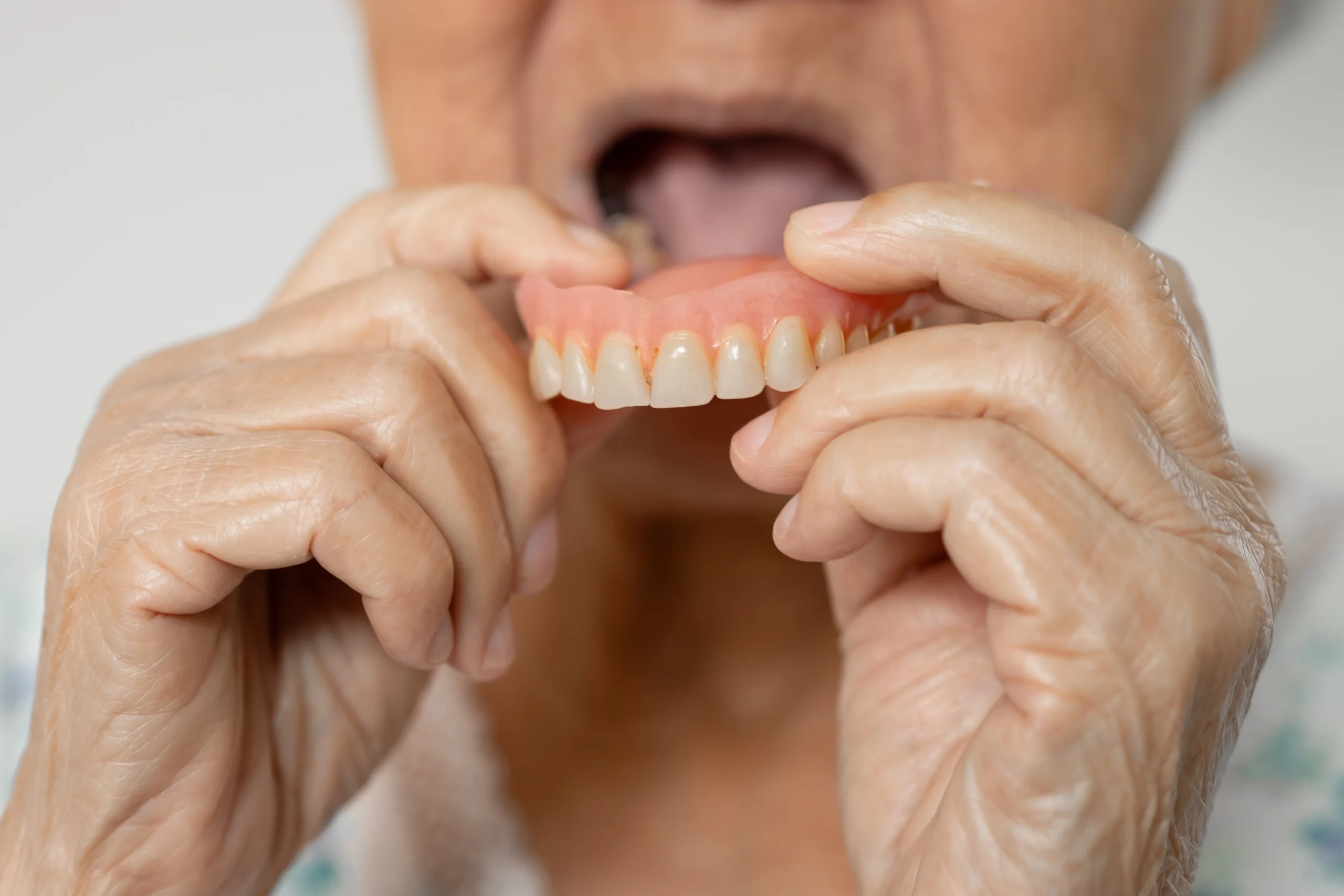
We examine your mouth, assess the condition of any remaining teeth and discuss what you are looking for. We explain the difference between full and partial dentures, acrylic and metal options, and advise honestly on what will suit your situation best. If any extractions are needed beforehand, we plan these at this stage. A full written treatment plan and cost breakdown is provided.
Detailed impressions are taken of your upper and lower jaw, along with a bite registration to record how your teeth come together. These are sent to the dental laboratory where your denture will be made. For metal dentures, an additional impression stage may be needed to capture the precise detail required for the cobalt-chrome framework.
Before the final denture is made, you try the teeth set in a wax base. This allows you to see exactly how the finished denture will look, assess the tooth shade and shape, and request any changes. It is much easier to make adjustments at this stage than after the denture is completed. We take the time to make sure you are happy before proceeding.
The finished denture is fitted and carefully adjusted to ensure a comfortable, stable fit. We check your bite, assess how it sits against the gum and make any necessary adjustments chairside. We show you how to insert, remove and clean the denture correctly and what to expect in the first few weeks as your mouth adjusts.
A follow-up appointment a few weeks after fitting allows us to address any sore spots, pressure points or adjustments needed as your mouth settles. Minor adjustments at this stage are a normal part of the process and are expected. Most patients find their denture becomes more comfortable and natural-feeling within a few weeks of wearing it consistently.
Care and maintenance
Remove your denture after meals where possible and brush it with a soft denture brush and non-abrasive denture cleaner. Regular toothpaste can scratch the surface and cause staining over time, so avoid it.
Remove your denture at night and soak it in a denture cleaning solution. This allows the gum tissue to rest and breathe, prevents bacterial build-up and helps maintain the shape and fit of the denture.
The jawbone naturally changes shape after tooth loss, which means dentures can become looser over time. Regular check-ups allow us to reline or adjust your denture before it becomes uncomfortable or unstable.
Never attempt to repair a cracked or broken denture yourself. DIY repairs with superglue or similar materials can make the situation worse and harder to fix professionally. Contact us and we will arrange a repair promptly.
Dentures feeling loose? This is common as the jaw changes shape over time. A reline or new denture may be all that is needed. Book a check-up and we will assess the fit.

Upgrade to implant-retained
If you are tired of denture movement or adhesives, implant-retained dentures and All-on-4 offer a far more secure and comfortable alternative. We can discuss whether you are a candidate at a consultation.
Denture FAQs
Questions we hear most often from patients considering dentures at our private practice in Stourbridge.
The process typically involves several appointments over four to eight weeks, including impressions, trial fittings and final fitting. As a private practice, we can progress at a pace that suits you.
Yes, when properly made and fitted. We select tooth shades and shapes to match your existing teeth or preferences, and the gum-coloured acrylic is carefully colour-matched. A well-made denture should not be obvious to others.
New dentures often cause some soreness in the first few weeks as the mouth adjusts. Minor adjustments at review appointments resolve most issues. Once settled, a well-fitting denture should be comfortable to wear.
Metal-based dentures are thinner, stronger and more comfortable for most patients. Acrylic is more affordable and easier to adjust or repair. We advise which suits your situation at your consultation.
With good care, dentures typically last five to ten years before replacement is needed. As the jawbone changes shape over time, relining may be needed before that to maintain a good fit.
We recommend removing your denture at night. This gives the gum tissue a rest, prevents bacterial build-up and helps the denture maintain its shape when soaked overnight in cleaning solution.
The denture process typically takes four to eight weeks from first appointment to final fitting and involves several stages: initial impressions, bite registration, a trial fitting with the teeth set in wax so you can assess the appearance, and finally the completed denture. As a private dental practice, we are not constrained by NHS appointment schedules and can work at a pace that suits you. The exact timeline depends on the complexity of your case and whether any extractions are needed beforehand.
A well-made denture should not be identifiable as a denture. We carefully select tooth shades, shapes and sizes to suit your face and match any remaining natural teeth. The acrylic gum section is colour-matched to your gum tone. At the trial fitting stage, you see the teeth set in wax and have the opportunity to request any changes before the final denture is made. The goal is always a result that looks like a natural part of your smile.
Some soreness and adjustment discomfort is normal in the first few weeks. The gum tissue and muscles of the mouth need time to adapt to the new appliance. Minor pressure points that cause rubbing are addressed at review appointments, which are a normal part of the process. Once the denture is settled and any adjustments made, a well-fitting denture should be comfortable throughout the day. If discomfort persists, always come back to us rather than persisting with a painful fit.
For most patients, a metal-based (cobalt-chrome) denture is the superior option. The metal framework is much thinner than acrylic, meaning less bulk in the mouth. It is stronger, more durable and fits more precisely. The main reason some patients choose acrylic is cost: acrylic dentures are considerably less expensive and are also easier to adjust, repair and add teeth to if further extractions are needed. We advise honestly on which is more appropriate for your clinical situation and budget at your consultation.
With good care, a well-made denture can last between five and ten years. However, the jawbone naturally changes shape after tooth loss, which means the fit of the denture will gradually become looser over time even if the denture itself is in good condition. Relining, which involves adding new material to the fitting surface of the denture to restore the fit, can extend its life. Regular check-ups allow us to monitor the fit and reline before the denture becomes uncomfortable or unstable.
We recommend removing your denture at night. Sleeping in a denture places continuous pressure on the gum tissue and underlying bone, which can accelerate resorption and lead to faster deterioration of fit. Removing the denture allows the gum tissue to rest and recover overnight. Soaking in a denture cleaning solution keeps the denture fresh, prevents bacterial and fungal build-up and helps it maintain its shape. If there are particular reasons you prefer to sleep with your denture in, discuss this with us and we can advise.