

Implant-Retained Dentures Stourbridge
Dentures that
actually stay in place
Implant-retained dentures use two or more implants to anchor your denture securely, eliminating movement, slipping and the need for adhesives.
Book an appointment →All the stability,
none of the slipping
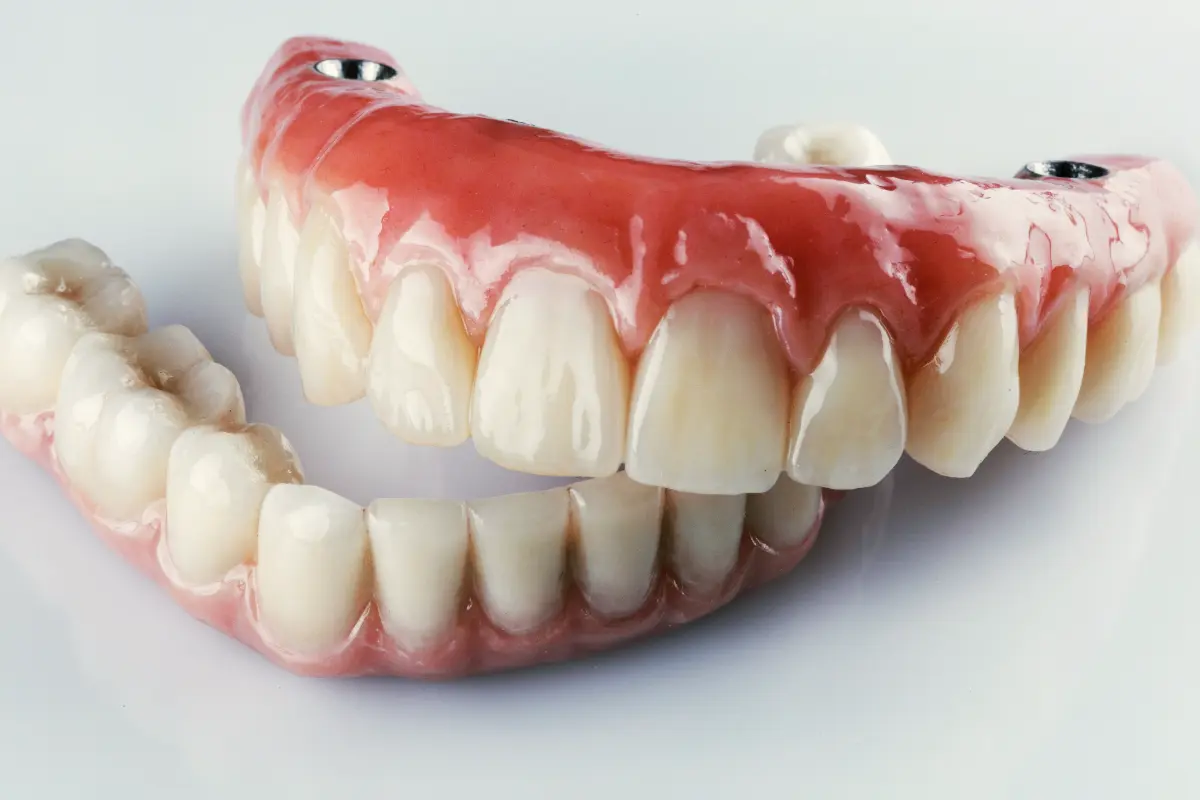
An implant-retained denture uses two or more dental implants to anchor the denture firmly in place. Unlike a conventional denture that rests loosely on the gum, an implant-retained denture clips securely onto the implants, eliminating movement during eating and speaking and removing the need for messy adhesives.


The solutions
we offer
Implant-retained dentures come in several forms. The right option depends on how many teeth you are replacing, which jaw is involved and how much stability you need.
Book a consultationTwo implants with stud or locator attachments clip the lower denture firmly in place. The most common and cost-effective solution for lower jaw replacement.
The upper jaw requires more implants for adequate retention. Four implants allow the palate to remain open, making the denture feel far more natural.
A metal bar is attached across the implants and the denture clips securely onto the bar. Provides exceptional stability and is ideal where maximum retention is needed.
Fully supported by the implants rather than resting partly on the gum. The most stable removable option, with minimal gum contact and superior comfort throughout the day.
A huge upgrade
on a conventional denture
Implant-retained dentures transform the experience of wearing a denture in ways that most patients do not anticipate until they try them.
Conventional dentures rely on suction and gum contact to stay in place. Implant-retained dentures clip securely onto the implants and do not move during eating or speaking.
The security of implant retention allows patients to eat foods they have avoided for years. Steak, apples, crusty bread — foods that were impossible with a conventional denture become straightforward again.
Denture adhesives are messy, inconvenient and a daily reminder that the denture is not secure. Implant retention eliminates the need for them entirely from day one.
Conventional dentures accelerate jawbone resorption over time by placing pressure on the gum rather than stimulating the bone. Implants stimulate the bone directly, preserving the jaw structure.
A full upper denture covers the palate, which significantly reduces the ability to taste. An implant-retained upper denture can leave the palate open, restoring the full experience of eating.
Implant-retained dentures require fewer implants than All-on-4 and are considerably less costly, while still delivering a dramatic improvement in quality of life over a conventional denture.
Already have a denture? In many cases, your existing denture can be adapted to work with implants, reducing the overall cost of treatment.
What to expect
from treatment
Implant-retained denture treatment takes place across several appointments. Here is what happens at each stage.
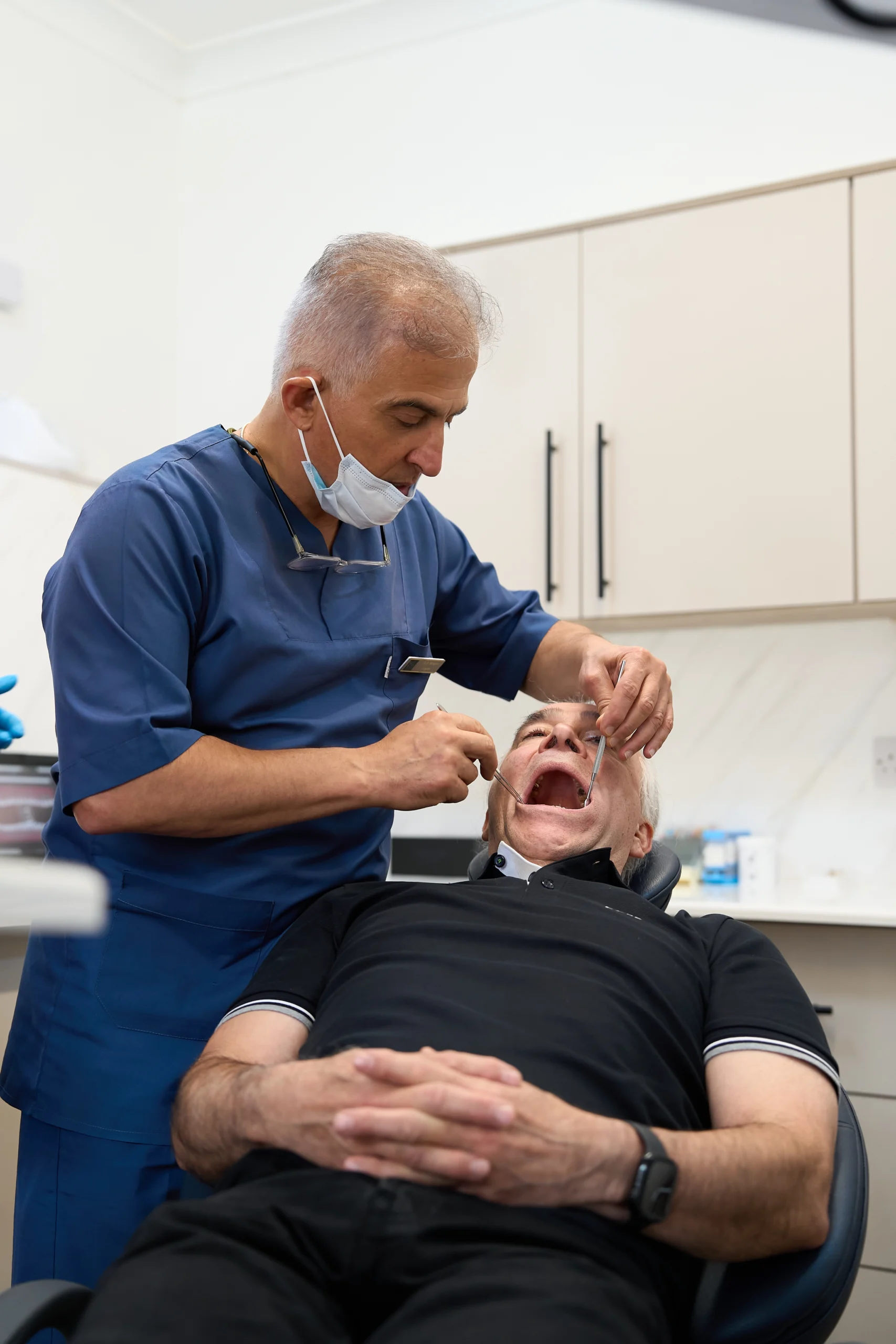
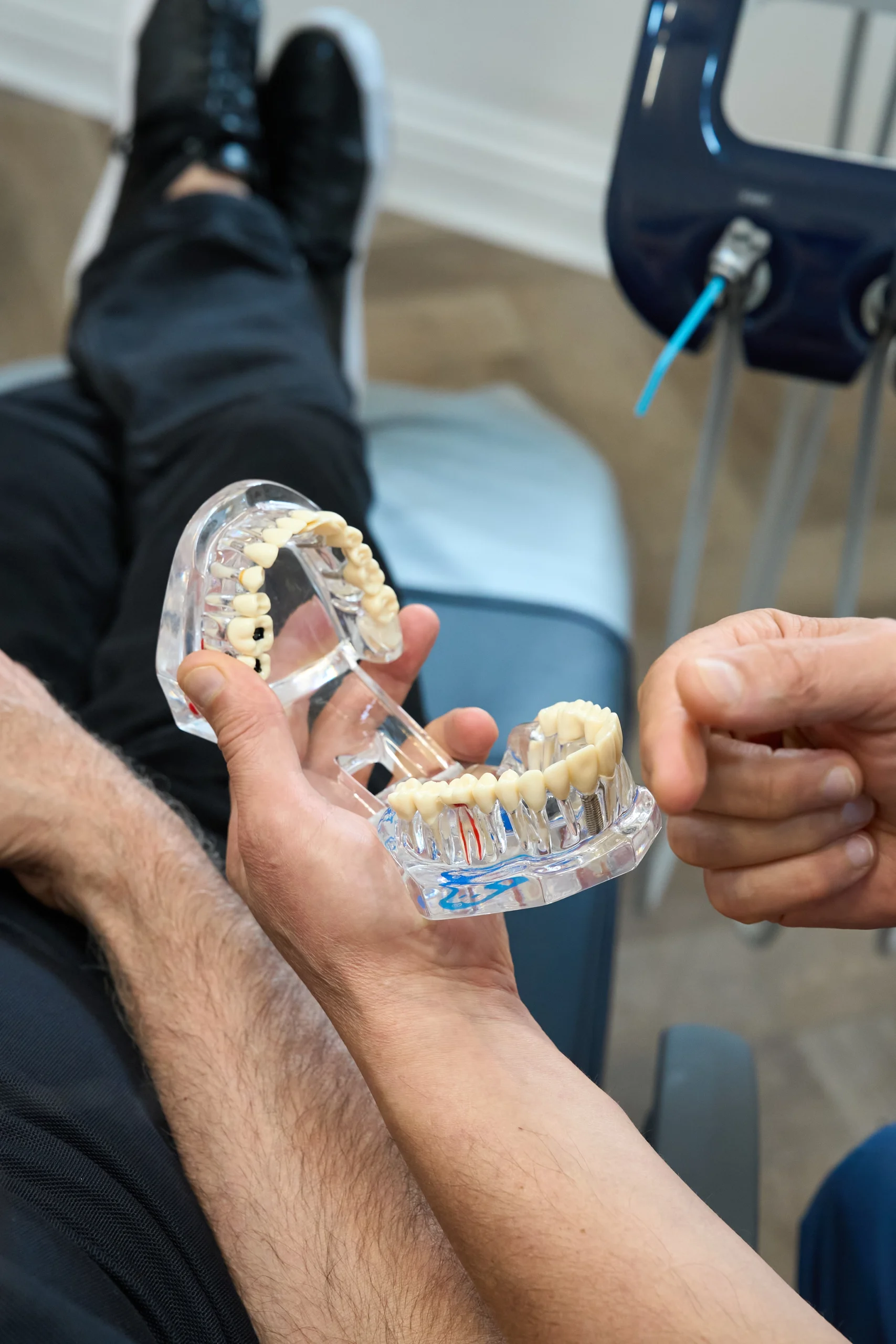
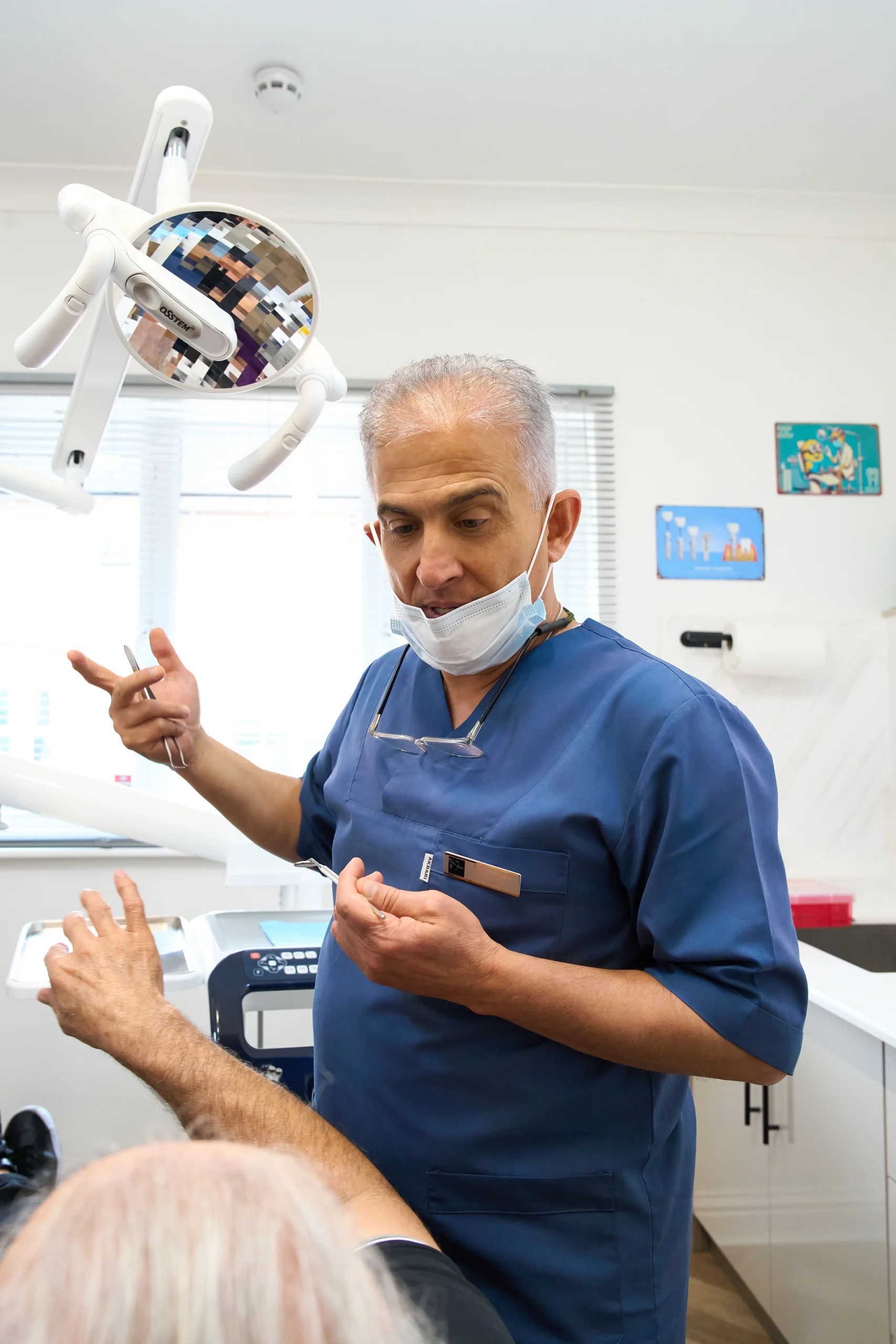
We examine your mouth, assess bone density and gum health and discuss which implant-retained denture option is most appropriate for your situation. If you already have a denture, we assess whether it can be adapted to work with implants, which can significantly reduce overall cost. We provide a full written treatment plan and cost breakdown before you make any decision.
Using detailed scans and records, we plan the position of each implant precisely. Any preparatory treatment, such as remaining tooth extractions or bone grafting where needed, is completed before implant placement. We also plan whether your existing denture will be used or whether a new one will be made to fit the implant attachments.
The implants are placed under local anaesthetic in a straightforward procedure. The gum is closed over the implants and a healing period of three to six months follows, during which the implants integrate with the jawbone. You continue to wear your existing denture during this period, with minor modifications to avoid pressure on the healing sites.
Once osseointegration is confirmed, the attachment components are fitted to the implants and your denture is modified or replaced to incorporate the corresponding clips. You are shown how to insert, remove and clean the denture correctly. The difference in stability from your previous denture is immediate and usually dramatic. Follow-up appointments ensure everything is comfortable and working as intended.
Looking after your
implant-retained denture
Remove the denture each night and clean it thoroughly with a denture brush and appropriate cleaner. Clean the attachment components in your mouth carefully with an interdental brush. The implants themselves require the same diligent cleaning as natural teeth.
Remove the denture at night to allow the gum tissue underneath to breathe and recover. Soaking overnight in a denture cleaning solution keeps it fresh and helps maintain the shape of the acrylic.
The locator or stud attachments that connect the denture to the implants will wear over time and require periodic replacement. This is a routine, straightforward procedure and we monitor attachment condition at your check-ups.
Six-monthly check-ups and hygiene appointments are essential. We assess the implants, clean the margins, check the fit of the denture and replace any worn attachments. Catching problems early keeps the implants healthy long-term.
If your denture feels loose or the clips feel different: This usually means the attachment component needs replacing. Contact us and we will sort it promptly at a routine appointment.
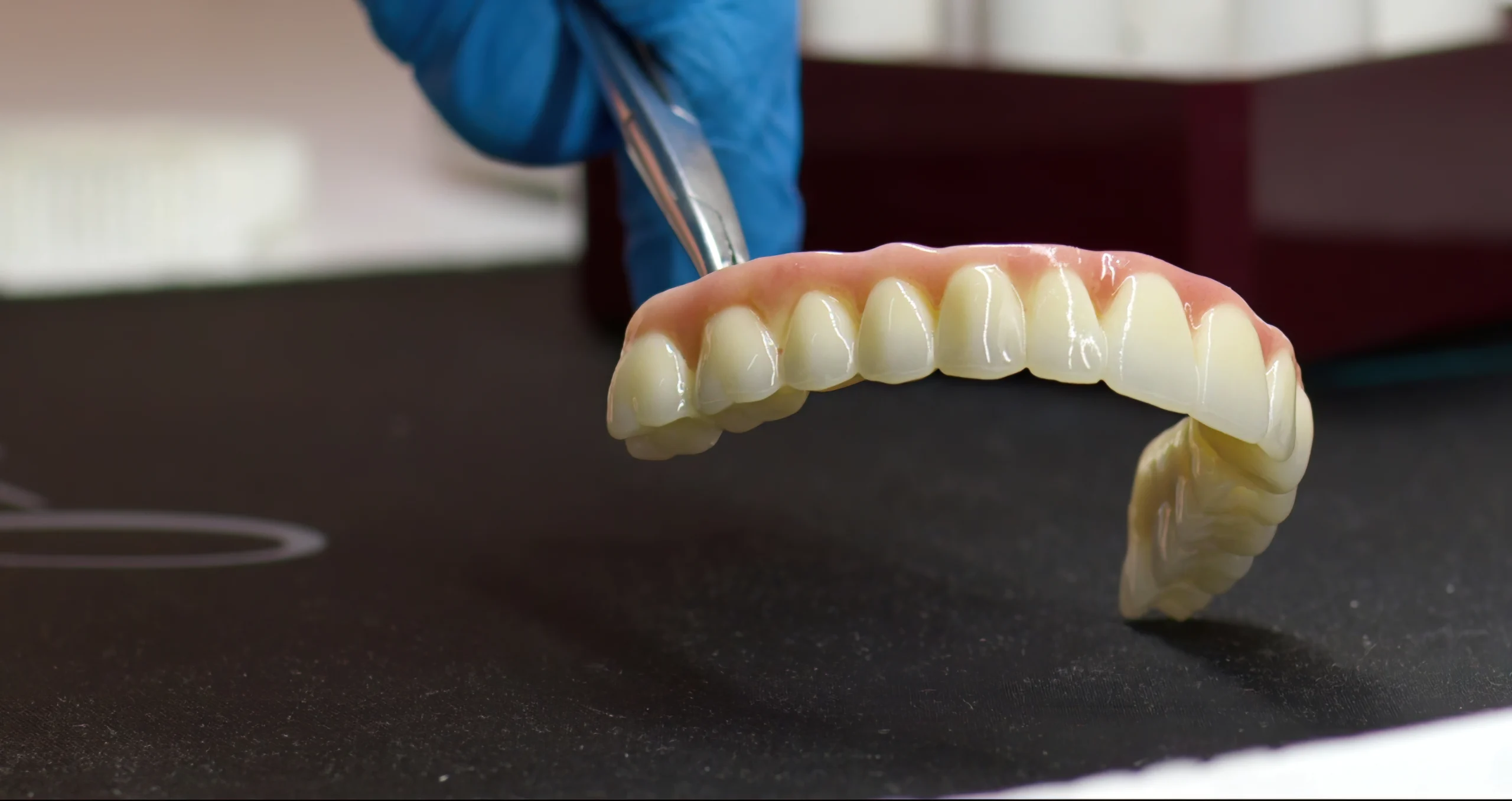
Other implant solutions
For patients wanting a fully fixed result with no removal required, All-on-4 and All-on-6 may be a better fit. We advise honestly on which option suits you at your consultation.
Implant-retained
denture FAQs
The questions we hear most often from patients considering implant-retained dentures in Stourbridge.
In many cases, yes. If your existing denture is in good condition and fits well, it can often be modified to incorporate the implant attachments, significantly reducing overall treatment cost.
For a lower denture, two implants is typically sufficient. The upper jaw usually requires four for adequate retention. We advise the right number for your specific situation at consultation.
Implant-retained dentures are removable by the patient for cleaning. They clip firmly onto the implants during the day and should be removed at night. For a fully fixed option, All-on-4 may be more suitable.
All-on-4 uses more implants to support a fixed, non-removable prosthesis. Implant-retained dentures clip on and off and typically use fewer implants. They cost less and suit patients who prefer a removable option.
The implants themselves can last many years with good care. The denture and the attachment clips will need periodic replacement as they wear. We monitor these at your check-ups and replace them as needed.
The procedure is carried out under local anaesthetic and most patients find it more comfortable than expected. Some swelling and soreness in the days after is normal and manageable with the pain relief we provide.
In many cases, yes, and this is often the most cost-effective route. If your existing denture is structurally sound and fits the shape of your jaw well, it can be modified by incorporating the locator or stud attachment housing into the fitting surface. This avoids the cost of fabricating an entirely new denture. We assess your current denture at the consultation and advise whether adaptation is suitable or whether a new one would serve you better in the long run.
For the lower jaw, two implants is usually sufficient to provide excellent stability. The lower jaw has denser bone and the denture benefits from the natural shape of the arch. For the upper jaw, four implants is generally recommended as the bone is less dense and the forces acting on the denture are less favourable. The exact number depends on your bone density, anatomy and the type of attachment system used. We advise the right number for your specific situation at your consultation.
Implant-retained dentures are removable by the patient. During the day they clip firmly onto the implants and feel very stable, but you remove them at night for cleaning and to allow the gum tissue to rest. This is the key distinction from All-on-4 and All-on-6, which are fixed in place and cannot be removed. For patients who prefer the familiarity of a removable option, or who want an implant-based solution at lower cost, implant-retained dentures are an excellent choice.
View All-on-4 and All-on-6 →The fundamental difference is fixed versus removable. All-on-4 uses four to six implants to permanently support a non-removable arch of teeth, which the patient cannot take out. Implant-retained dentures use two or four implants to stabilise a denture that is still removed daily. All-on-4 generally offers superior stability, feels more like natural teeth and preserves the jawbone more effectively. Implant-retained dentures cost considerably less, involve less surgery and suit patients who prefer or need a removable solution. We advise honestly which is more appropriate for your situation.
The titanium implants themselves, once successfully integrated, can last many years with diligent care and regular hygiene appointments. The acrylic denture is subject to normal wear and will need replacing periodically, typically every five to ten years depending on use and care. The attachment components, such as the locator inserts or stud caps, wear more quickly and need replacing every one to three years on average. We check these at your regular appointments and replace them as needed in a quick, straightforward procedure.
The implant placement procedure is carried out under local anaesthetic, so you should feel no pain during the procedure itself, only pressure and movement. Most patients find the experience considerably less daunting than they anticipated. In the days following surgery, some swelling, bruising and soreness is normal. We provide appropriate pain relief and clear aftercare instructions to help you manage this period. The discomfort typically settles within a week and is quite manageable for most patients.